The Sonoran Desert is home, beef is my fuel, dancing is my happy, and horses are my transportation.
Find me on the IG @ tifforama, Twitter @ tifforama, and Facebook @ Tiffany Nicole
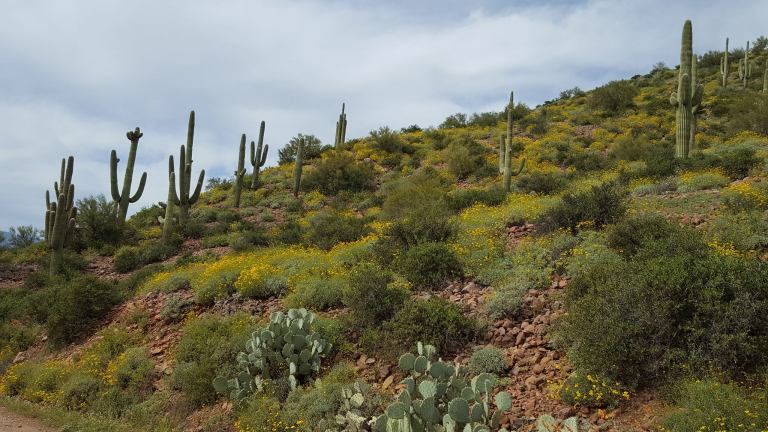
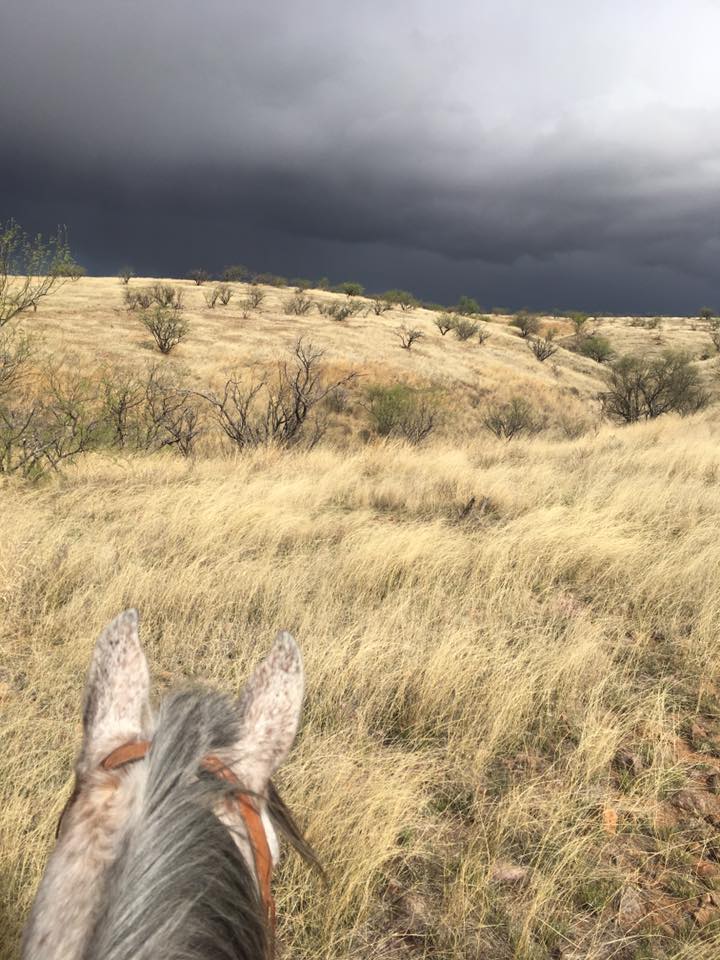
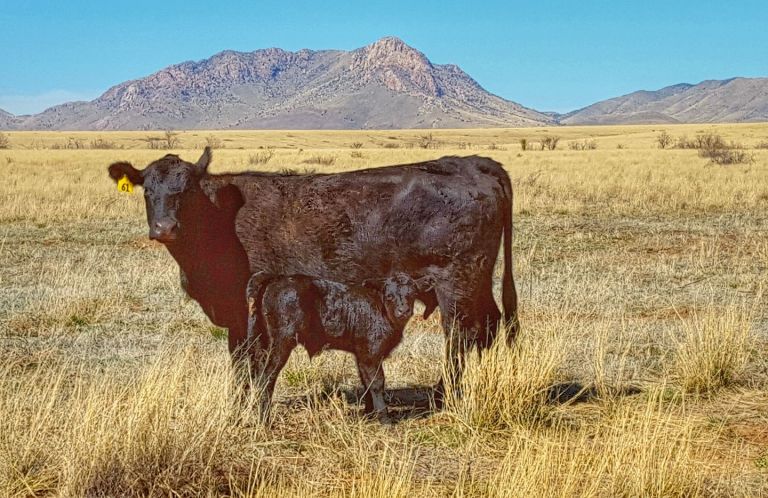
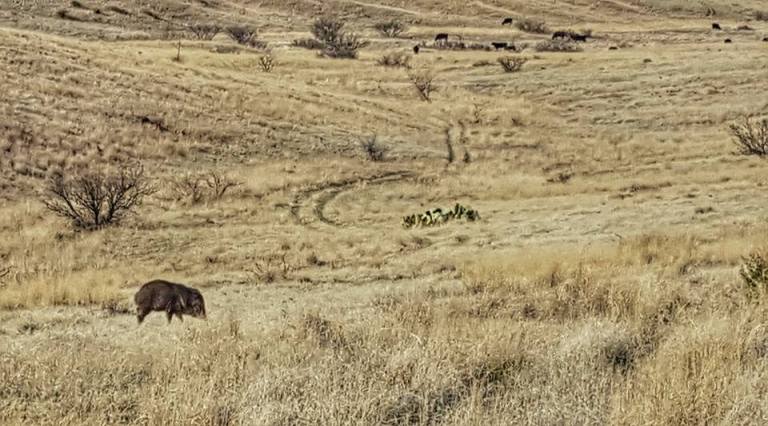
Arizona is a beautiful place, but spring happens to be one of the prettiest. This is the time of year when the desert comes alive. Flowers bloom, the grasses make a feeble attempt to grow, random rain storms erupt, and calves are born. Enjoy this collection of photos from various locations across our state.
A special thank you to Dean Fish, Cassie Lyman, Tina Thompson, Arizona Ranch Reflections, and Dan Bell for letting us share the views you have on your ranches.
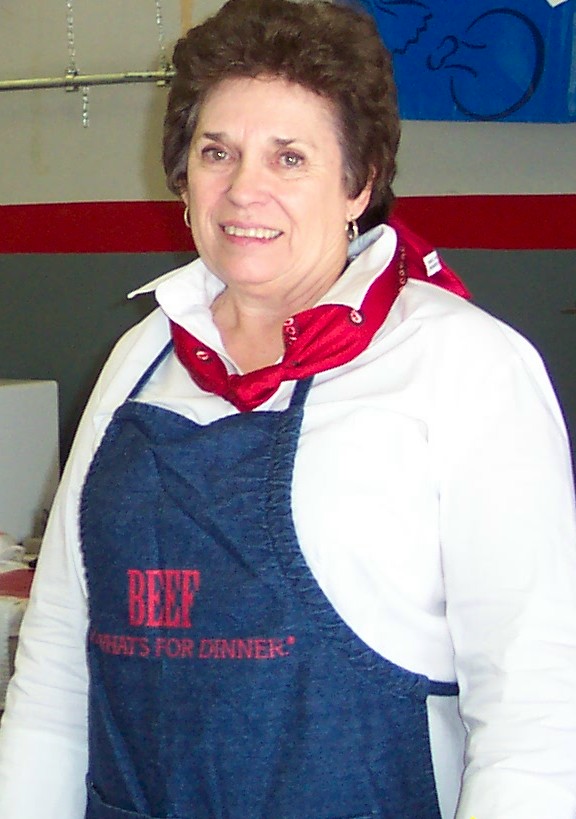
Janice Bryson promoting beef at an Arizona State Cowbelles event.
This piece was written by Janice Bryson, a great asset to the many organizations she is part of including the Arizona State Cowbelles. Janice’s family has a long history in ranching in Arizona and with their Irish lines, this seemed a perfect opportunity to feature the history of her heritage. Enjoy the history of a great Irish family who made their lives in Arizona along with a delicious Irish Beef Stew recipe to help your family celebrate the holiday!
Happy St. Patrick’s Day! We Irish like to think everyone has little Irish on St. Patrick’s Day. Patrick is the patron saint of Ireland and while it was originally a quiet day of church and family in Ireland, I think the Americans decided to make it a much more rowdy celebration which has spread around the world!
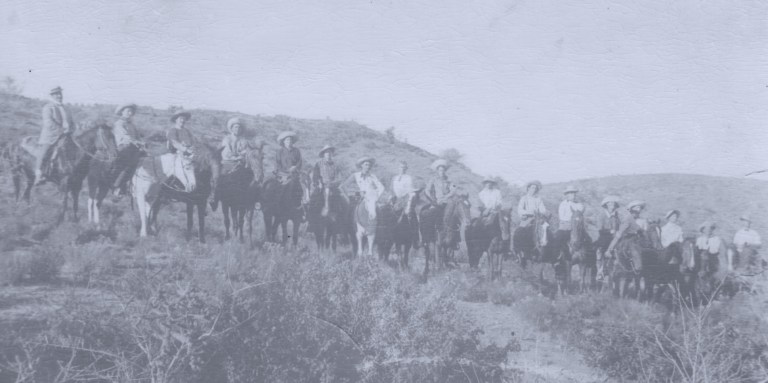
My great-grandfather William Ryan, born in County Tipperary, Ireland, arrived in the Globe mining camp in January 1881. Several years later, he met my great-grandmother, Anna Mary Moloney, who come to Globe from County Limerick to work for her Uncle Denis Murphy.
Many Irish headed to the American West to strike it rich drawn by the reports of silver, gold and copper strikes. A number of military forts were established to protect the miners from hostilities around the newly established mines and settlements. This was a great age in Arizona Territory for an entrepreneur; who was going to feed and supply all the miners and soldiers arriving daily? Many pioneer ranchers and farmers stepped up to help fill the needed food supply.
Most cattlemen in Arizona Territory followed the Texas system of ranching – cattle were left to graze on the free range to take care of themselves without supplementary feeding. Denis Murphy branded the Wine Glass and ran his cattle northeast of Globe. He also ran a butcher shop in conjunction with his ranch and even offered home delivery service. The butcher shops would slaughter their cattle outside of town, doing the work at night. The meat would be cooled in the evening, brought into town before daylight and hung in homemade iceboxes. The shops would usually be sold out by noon and remained closed until the next morning.
Denis Murphy and his cowboys lined up at the Wine Glass Ranch outside of Globe (1895).
We do have one story about Denis that has been passed down in family history. He didn’t like his cowboys to ride the best horses into town on a Saturday night and tie them to the hitching posts outside of the Globe saloons. He preferred the old horses to be stolen if there was a horse thief in town.
William Ryan became the night foreman at the Old Dominion Smelter and bought and sold cattle as a sideline. He was also a livestock inspector and with his brother-in-law, John Moloney, established the first real dairy in Globe using range cattle. I imagine they were a far cry from the current fine dairy cows we see today.
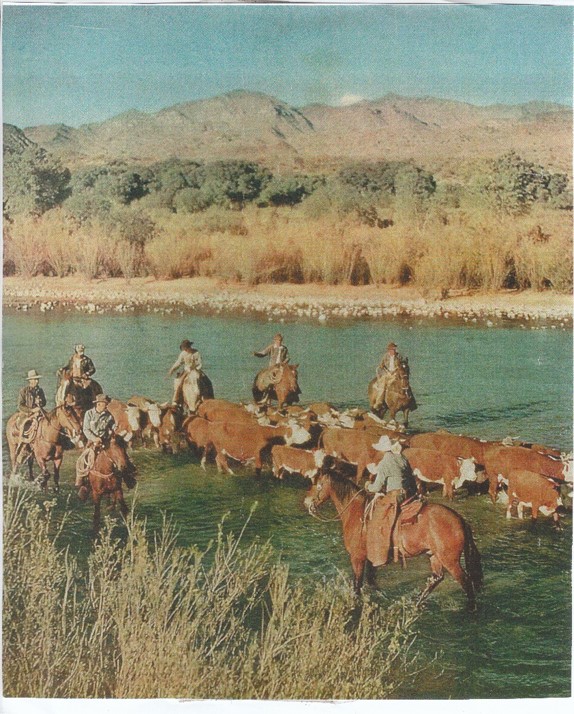
Ryan cattle crossing the Verde River at Box Bar.
In later years, William and his sons leased rangeland on the Apache Reservation in the White Mountains for their cattle. His oldest son, William Albert, was my grandfather who with his bride Edith settled in an isolated cabin on the Reservation in 1912. The Apache men had not seen many caucasian women and would watch her through the window when Will was out riding. She would offer them lunch which they gladly accepted; eventually, the novelty wore off and they no longer watched her.
While we still have isolated ranches, think of the days of no roads and riding horseback to the ranch house. Will and Edith’s oldest son, William Paul, was born in White River and placed in an Apache papoose to be taken to the ranch. At the age of 2, he walked behind a man chopping wood and was hit in the head with the back of the ax. Will grabbed him and rode horseback many hours to the doctor in Fort Apache. Little William recovered but Edith was a very worried mother for four days before she knew if her son had survived his accident.
My father, Emmett Ryan, continued in the cattle business and in later years my family had cattle ranches at Florence Junction, Wenden and my favorite ranch, the Box Bar on the Verde River. Lots of fun memories of them all for my family.
Round up of Ryan cattle gathered off the reservation (1929).
Life was tough in Arizona Territory and we are thankful we have so many modern conveniences to make our life better today. Thank you to those pioneer cattlemen who persevered against all odds to provide food for the new Territory. After all – those hardy pioneers needed plenty of ZIP – zinc, iron and protein provided by beef – to do their jobs.
St. Patrick’s Day was not all work and no play back in the day – St. Patrick’s Day Balls were held in settlements with heavy Irish populations such as Globe, Jerome, Bisbee, and Tombstone. Globe even held a baseball game between the “town boys” and the Old Dominion Copper Company on St. Patrick’s Day in 1890. Before either side had gained a point, the only ball burst. It was stuffed with rags and the game continued with the town boys prevailing in the end. Wonder what the baseball players of today would think of that game?
An Old Irish Blessing:
May the road rise up to meet you. May the wind always be at your back. May the sun shine warm upon your face, and rains fall soft upon your fields. And until we meet again, May God hold you in the palm of His hand.
Irish Beef Stew from Fidel Murphy’s Irish Pub, Grand Cayman
Heat oil in heavy large pot over medium-high heat. Add beef and sauté until brown on all sides, about 5 minutes. Add garlic and sauté 1 minute. Add beef stock, tomato paste, sugar, thyme, Worcestershire sauce and bay leaves. Stir to combine. Bring mixture to boil. Reduce heat to medium-low, then cover and simmer 1 hour, stirring occasionally.
Meanwhile, melt butter in another large pot over medium heat. Add potatoes, onion and carrots. Sauté vegetables until golden, about 20 minutes. Add vegetables to beef stew. Simmer uncovered until vegetables and beef are very tender, about 40 minutes. Discard bay leaves and serve topped with chopped fresh parsley.
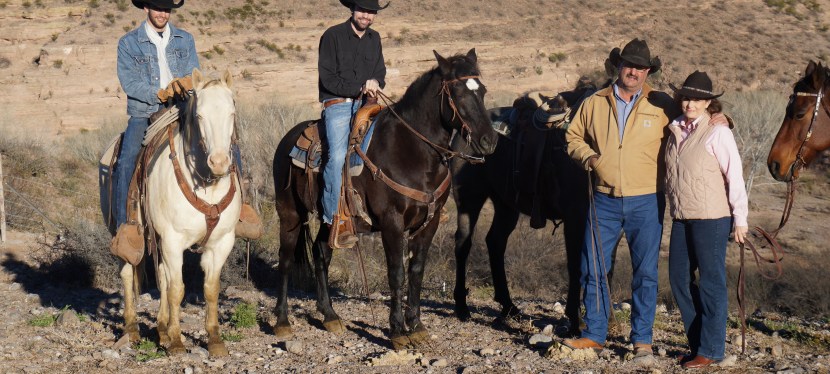
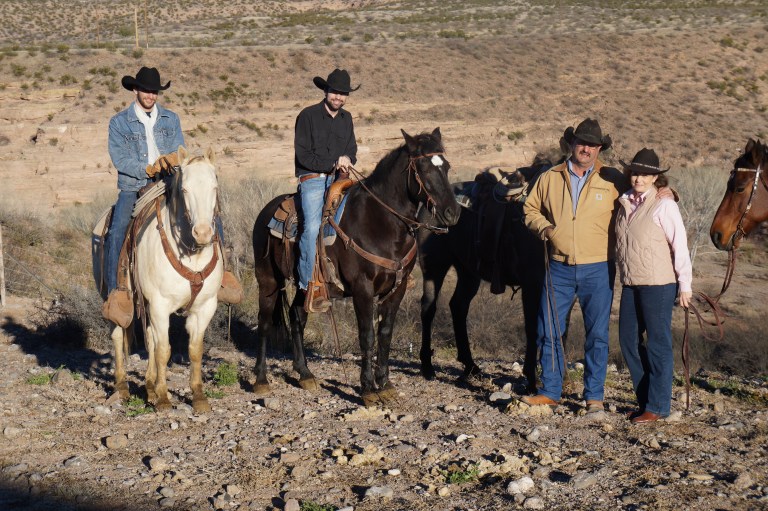
The Menges Family and their ranches are in Graham and Greenlee Counties, where they run a cow-calf ranch. Please enjoy the interview below to learn more about this ranching family.
The Menges Family.
Tell us a little bit about yourself, your family and about your ranch: Jeff is a 4th generation lifetime rancher. He graduated from NMSU with degrees in range management and animal science. He grew up in Catron County, NM, on a forest service ranch. We have three sons; Ben, Mark, and Luke. We have two ranches operating as one unit along Gila River and Bonita Creek areas.
How does the technology you use now differ from the technology that was passed down to you or that generations passed may have used on this ranch?
The use of ATV’s instead of horses on the ranch has made us a great deal more efficient than in generations past because we can check waters, cattle, fences, etc. much more quickly. Also, solar technologies are advancing rapidly and now are available to draw water from wells as deep as 800 feet. We use solar technology on many of our wells on both ranches, which is clean energy and a reliable resource for us in Arizona.
Moving cows on the ranch is made easier with ATVs.
What are some common misconceptions that you think people may have about the way your raise your beef on your ranch? Our ranch headquarters is relatively easy to access, and we welcome those who would like to learn more about ranching to visit the ranch. We engage with the local community a great deal by hosting ranch day experiences, meetings and workshops. One misconception is that grazing riparian areas is detrimental to the resource; however, we have proven that that is not the case, in fact, it is highly beneficial.
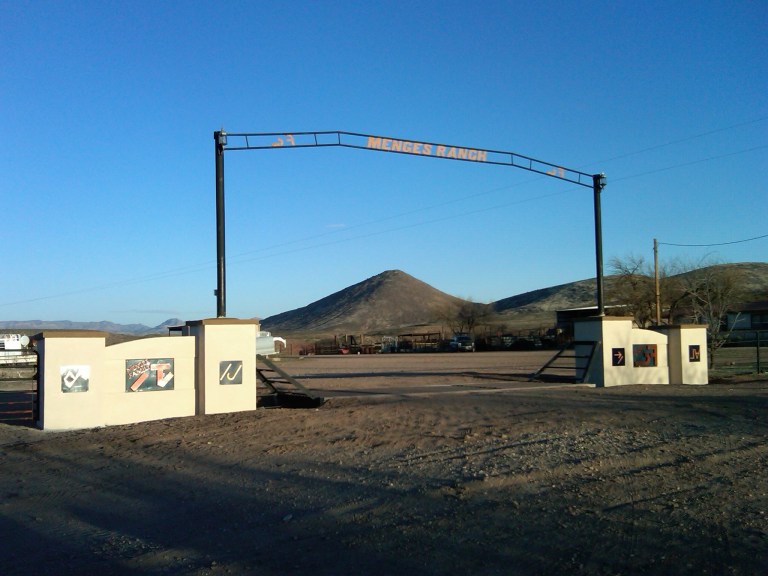
Menges Ranch headquarters.
What is the most important thing that you do on your ranch every day to make sure you are raising safe beef for the consumer? Providing the cattle with adequate nutrition and clean water to drink all year long are the most important things we can do as ranchers to keep our cattle healthy
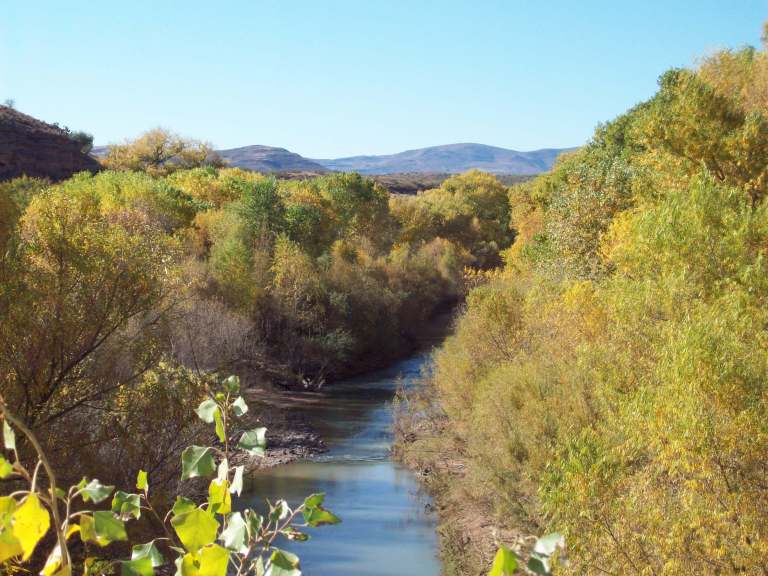
A beautiful ranch view.
What is the most important piece of information that you would want people to know about you and the work you do on you ranch every day? We believe if we take good care of the land, it will take care of us and our cattle. We believe in careful stewardship of the natural resources, which in turn allows us to provide a safe and wholesome product for the consumer.
Jeff Menges horseback.
If you could describe in one word the life of a rancher, what would it be? Diverse
Lastly and of course most importantly, what is your favorite cut of beef and how do you like to prepare it?
Grilled rib-eye steak
Editor’s Note: Suzanne is an extremely progressive and active member of the Arizona State Cowbelles and the American National Cattlewomen (ANCW) as well as a founding member of her local chapter. The Cowbelle organization works to promote and educate about Arizona beef by interacting with consumers at various events such as the Ranch Day programs Suzanne has helped put on for many years. This program offers the opportunity for school-aged children to visit the ranch to experience and learn about all aspects of ranching in southeastern Arizona. Dr. Menges is currently developing a leadership training program for ANCW. She didn’t brag much about herself in these answers, so we wanted to do a little of it for her.
Ranchers: My dad, Ruben Garcia, and I, Samuel Ruben Garcia, ranch on the Rancho La Playa, Rancho El Fresno, and Rancho Santa Gertrudis. My uncle Ramiro Garcia ranches on the Rancho La Higuerita and my uncle Sergio Garcia is on the Rancho El Alamo Rancho El Henry. All of the ranches are in Sonora, Mexico about 40 miles south of Douglas, Arizona. My wife Christina and I, with our son RJ and daughter Celeste, live and work in Tucson, Arizona.
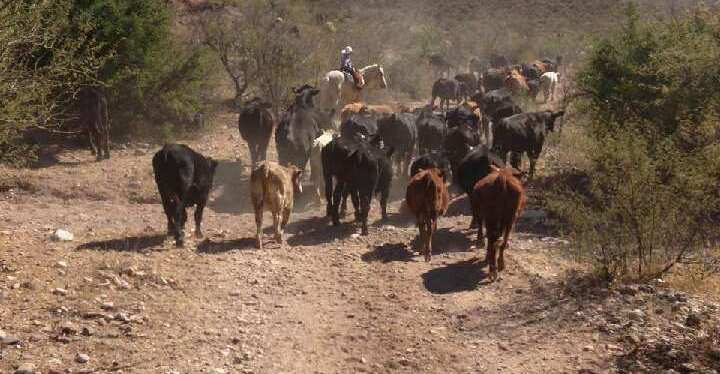
Images of the Garcia ranches in Sonora.
Images of the Garcia ranches in Sonora.
Images of the Garcia ranches in Sonora.
Images of the Garcia ranches in Sonora.
Tell us a little bit about yourself, your family and about your ranch and what you do now: I grew up around cattle ranching and it has been a lifelong passion of mine. A majority of my time has been spent working with my family on various ranches. When I was growing up, ranching was a tough business, but I stayed true to what I enjoyed and pursued a career that kept me close to my passion. Growing up in Mexico was great, but there was a limit to the amount of education I could receive and my dad decided it was a good step for me to learn English and further my education in the United States.
At age 11, I moved out of my home and made a new home with Alfonso and Teresita Gonzales, who were working for the Dobson Cattle Company in Benson, Arizona. They took me in as if I was their son and added an abundant amount of knowledge about cattle and horses by doing the many chores expected of a ranch kid. After three years, I moved back to Douglas, Arizona where I finished high school.
After high school graduation, I attended two years at Cochise College and finally decided to transfer to the University of Arizona (UA) where I received a Bachelor in Veterinary Science in 2008. I then spent a year at the ranch with my dad to reenergize before venturing back to the UA to complete a Master’s in Animal Sciences in 2011 and a Ph.D. in 2013. After graduation, I took a job as a Lecturer in the School of Animal and Comparative Biomedical Sciences. In 2014, I started as the manager of the Food Products and Safety Lab, which includes an animal harvesting facility, where I am now. I still continue to ranch with my father.
My grandfather was an accountant-turned-businessman-turned-rancher. He was a cattle buyer for many years and was able to purchase most of the ranches owned now by my family.
The ranches are desert ranches. Many improvements have been done to make them successful. Infrastructure that includes water distribution and storage, cattle working facilities and fencing have been our focus.
How did your ranching background get you to where you are today? From ranching, I learned hard work and dedication, which have been most relevant to my career. You should never give up on your goals but remain flexible in how you accomplish them.
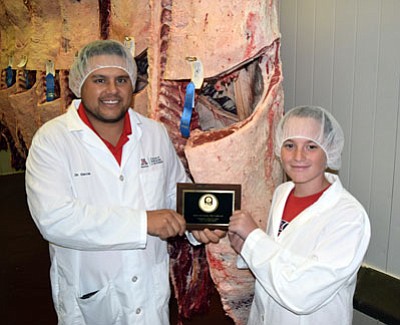
Dr. Garcia with Zane Campbell, a 4-H member from Kingman, AZ after winning the Steer of Merit Award at the 37th Annual Mohave County 4-H Carcass Contest.
What are some common misconceptions that you think people may have about the way your raise your beef on your ranch and what happens in a harvesting facility? One important thing to note is that most citizens in Mexico are still one generation away from the farm and ranch, so they know the reality of how food is raised. I’ve noticed people in the US, who are, on average, three generations away from a farm or ranch, are removed from how food is grown and raised.
There is also a misconception about the quality of Mexican cattle. The reality is that cattle raised in Mexico can be quite competitive with cattle raised in the US and are held to high standards while experiencing many health checks before entering the US market.
As to the Food Product and Safety Lab which houses the UA’s harvesting facility, we strive to be transparent in all we do. We serve as an educational facility for both students and Arizona ranchers while also providing meat for the community and harvesting services to Arizona farmers and ranchers.
Sam Garcia’s son helping at the ranch.
Sam Garcia’s son helping at the ranch.
Sam Garcia’s son helping at the ranch.
Sam Garcia’s son helping at the ranch.
What is the most important thing that you do on your ranch and in the harvesting facility every day to make sure you are raising and preparing safe beef for consumers? At the University of Arizona Food Product and Safety Lab, we ensure that all strict USDA regulations are followed. Protocols are in place to ensure the meat produced is safe and wholesome for my family and the consumer’s family to eat!
At the ranch, we make sure health and nutrition of the animals are the number one priority. With healthy animals, everything else falls into place.
What is the most important piece of information that you want people to know about you and the work you do on you ranch and in the harvesting plant every day? I want to emphasize that the meat produced in the US is the safest in the world. Also, Sonoran ranchers who export cattle into the US are contributing to this wholesome food supply.
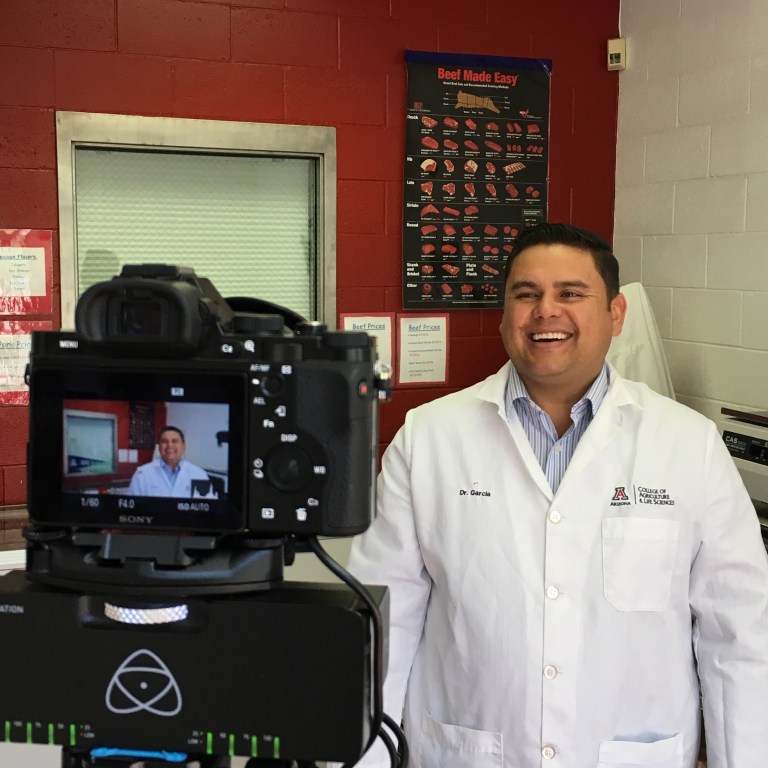
Dr. Sam Garcia can be found at the University of Arizona Food Product and Safety Lab at the Campbell farm.
If you could describe in one word the life of a rancher, what would it be? Sensational
Lastly, and of course most importantly, what is your favorite cut of beef and how do you like to prepare it? Aged Ribeye grilled on mesquite with sea salt/coarse salt. Medium Rare.
Valentine’s Day and Heart Month make such a cute couple, don’t you think? New evidence shows lean beef and heart healthy diets go pretty well together, too. In a new study published in the January 2017 issue of American Journal of Clinical Nutrition, Wayne Campbell, PhD, professor of nutrition science at Purdue University, and his research team conducted a review and analysis of 24 clinical trials on daily red meat intake and cardiovascular disease risk factors. Many doctors recommend that patients limit red meat intake to less than 3 servings a week, but this new study shows that eating greater than 3.5 servings per week does not negatively affect short-term cardiovascular risk factors, such as blood pressure and blood cholesterol. These findings can help put to rest some of the outdated notions against red meat consumption.
Putting all this great info into action takes delicious recipes. For the past six years, the American Heart Association has approved eight whole muscle cuts of beef and extra-lean ground beef for use in their Heart-Check mark program. We are excited to announce beef’s involvement in a new recipe certification program by the American Heart Association that we hope will inspire you to incorporate beef into heart healthy meals. Here are some examples of approved recipes that feature beef cuts that also meet criteria for “extra lean:”
Beef and wine have an undeniable affinity for one another. The profound, meaty, complex, rich flavor of beef is complemented by a beverage that’s equally complex, savory and delicious. Nothing fits the bill better than wine. There’s also the all-important issue of texture. Mouth filling concentrated wines provide just the right counterbalance to beef’s dense texture. Like the perfect gastronomic seesaw, a sip of wine makes you want another bite of beef, and a bite of beef makes you want a sip of wine.
There are wine and beef pairings for every taste and preference. From a full red which pairs perfectly with prime rib to a sweet white which combines with stir-fry or Thai inspired dishes, you can find a combination to fit even the most discerning palate. Below is a list of our favorite recipes which require wine, be that in a glass at the dinner table or as an ingredient, with a few sips stolen while you cook it up.
Perfect Pot Roast by The Pioneer Woman The cooking guru herself admits on this recipe that the perfect pot roast is hard to come by. This method gives you the secrets to preparing this mythical dish correctly every time.
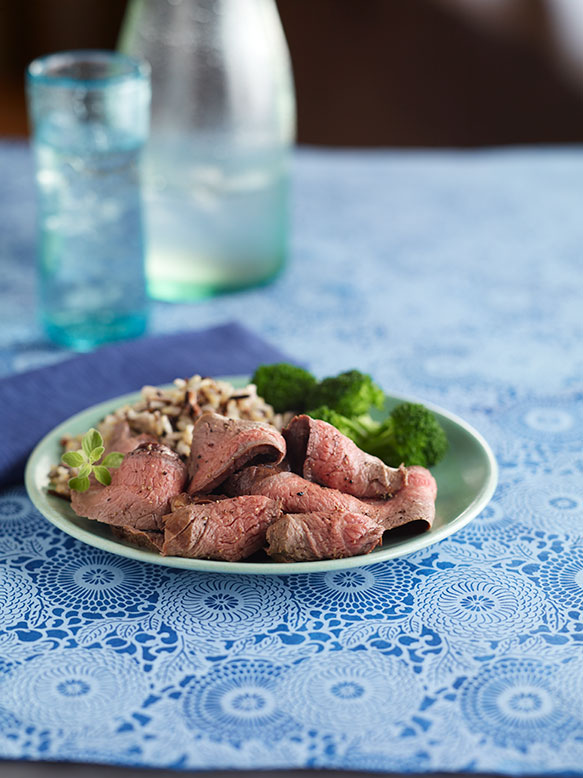
The Best Meat Rub and Beef Tenderloin Recipe: The “Braxton” by Fantabulosity An extra special night deserves an extra special cut of beef, and the tenderloin is that cut. Jessica at Fantabulosity has got you covered with the perfect way to prepare this yummy cut, and a glass of full red wine is the cherry on top.
In only 3 easy steps you have a stir-fry fit for an emperor. This meal pairs perfectly with a glass of sweet white wine.
For more information on beef and wine pairings visit our website for a complete guide. Good luck and as Julia Child always said, “I enjoy cooking with wine, sometimes I even put it in the food.” Happy cooking!
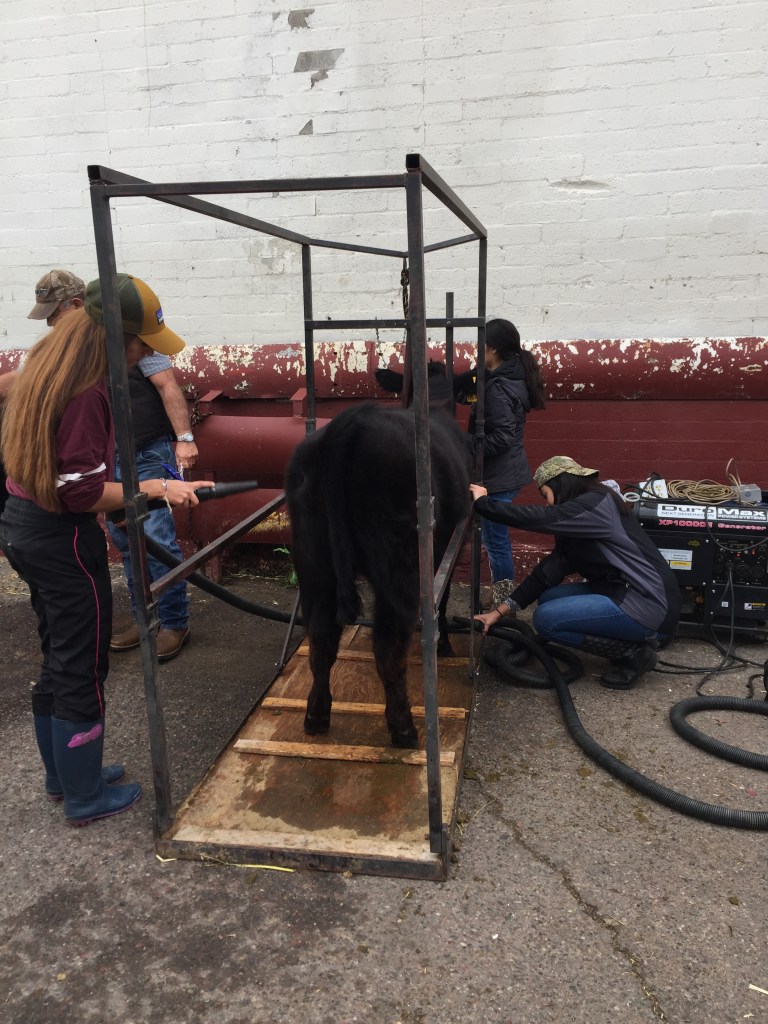
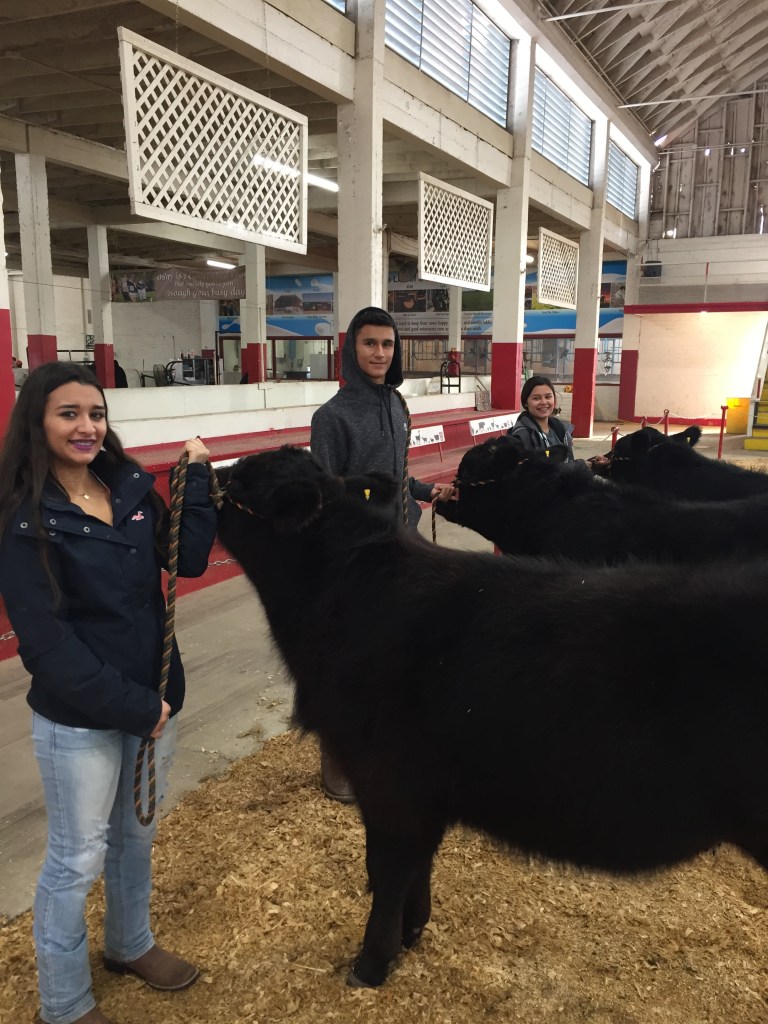
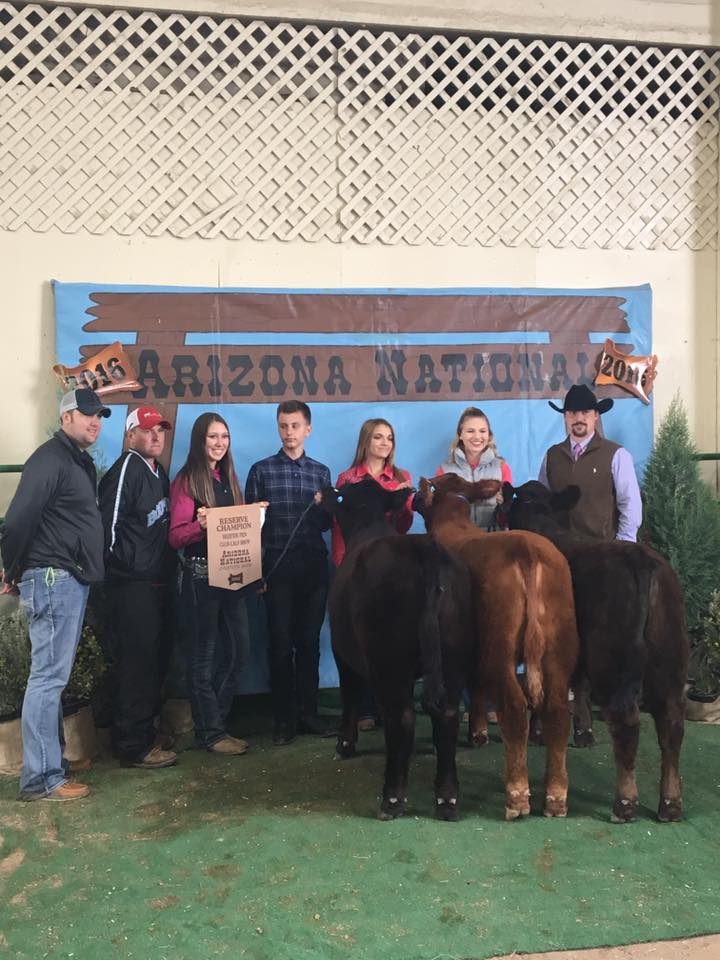
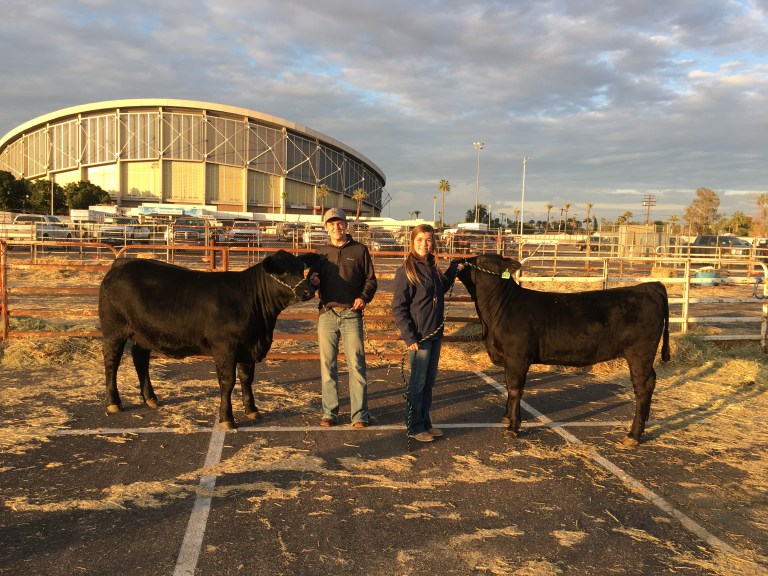
The Arizona National Livestock Show (ANLS) is an event rich in history with its first organizational meeting taking place in 1948. Throughout the years, ANLS has morphed into different things for different folks. Some people see it as a family vacation, as the time of year in which the show takes place offers a break from school and work. The Arizona weather, which is far better than in snow ridden parts of the world, is another perk. For others, this show is the culmination of a year of hard work and the grand drive is their ultimate goal. And for a few, it’s a first encounter with the idea of showing livestock such as cattle, sheep, hogs, and goats. For the students of four Arizona high schools, it’s the chance to break into a world which might not have been open to them previously.
Showing cattle at livestock shows is a huge commitment, both a significant investment of time and money. It’s a luxury not afforded to many. However, the students of Rio Rico, San Simon, Bowie, and Mesquite High School all get the opportunity to exhibit cattle at the Arizona National Livestock Show each year with the help of their instructors and the community. Each school runs their program a little differently, but all have the same end goal: to involve students in agriculture who might otherwise not have had the chance.
Prep time for San Simon and Bowie High School.
Mike Zamudio at San Simon High School in San Simon, Arizona and his wife Kelly Lyda-Zamudio at Bowie High School work in close collaboration with the Southwest Brangus Breeders Association. Ranching members of this group lend their cattle, specifically heifers (female bovine who have not yet given birth to a calf), to the agriculture students at these schools. These students work with their heifers, teaching them to halter, how to be led on a halter, and how to stand the correct way for showing. This program, which was started nine years ago after Bill Morrison approached the Zamudios asking about their interest in the idea, offers scholarships and lifelong learning. One of the most important lessons Mr. Zamudio has seen his students learn through this program is confidence. He describes it best by saying, “There is a huge boost in their confidence levels. You can see the look on their face when the heifer takes those first couple steps and starts to follow and will let them catch them right away. You can see the bond between the heifer and the kid.”
Rio Rico High School practicing their showing skills before the big day!
Rio Rico High School in Rio Rico, Arizona is another great example of an agriculture education program working with their community. Mr. Richard McPherson, the agriculture education teacher at Rio Rico High School, has partnered with Doug Kuhn, a rancher from Willcox, with many projects. Allowing students to show cattle at ANLS is one of them. This program focuses on introducing students to the idea of showing cattle allowing them to determine if this an interest for the future. Mr. McPherson mentioned this was an excellent way to show the students the hard work and long hours it takes to show cattle and gives them an idea if it’s something they want to do on their own.
Mesquite High School students with Jordan Selchow, advisor, and judge.
Students from Mesquite High School out of Gilbert, Arizona work hand in hand with the University of Arizona’s V-V Ranch, a working cattle ranch based out of Rimrock, Arizona. Throughout the year, students work closely with ranch managers to gain experience with branding, vaccination, and other working areas. During the late fall months, these students then begin preparations at their high school land lab to halter break, train, and eventually show feeder steers (male bovine who have been castrated) and heifers at the ANLS. This program started because of Jordan Selchow’s involvement with the V-V Ranch during college at the University of Arizona and the relationships he built while studying there with Dr. Dave Schafer and the Cannon family. Like the other three programs, this is an excellent way to give students the chance to show if they can’t do so on their own.
Proud students from San Simon High School.
While each of these programs is unique, the overall goal and end results are the same: to give students a chance to experience the rewards of working hard and showing an animal at a major livestock show, while also instilling a strong sense of confidence and work ethic. When a student goes through an experience, such as training and showing a five-hundred-pound animal, something they’ve never done before and maybe even thought was impossible, confidence abounds in and out of the show ring. The lessons they learn from the extra hours of hard work along with the leadership skills they use when mentoring first-time students produce a young person who is more likely to continue forward on a successful path and might consider diving into the agriculture world. If this is a world they find interesting, these programs provide tools to build relationships and connections within this community and guide them on a path to future success.
New Year’s resolutions are in full swing, and the common goal is to lose weight or to get in better shape. While these are both worthy goals, we think focusing more on the actual nutrition you give you body will work better towards any goal of being healthier in 2017.
The Beef Checkoff wants to help you reach your goals of being a healthier you in 2017, and an excellent way to get more protein in your diet is with the 30 Day Protein Challenge. This challenge helps you to start consuming more protein a day while also ensuring you spread the wealth throughout the day, helping you to feel full and satisfied longer.
Are you ready to take the challenge? Head over to our website and sign up! You will receive helpful tools and tricks to ensure your success on your journey, and we are always here to root you on!
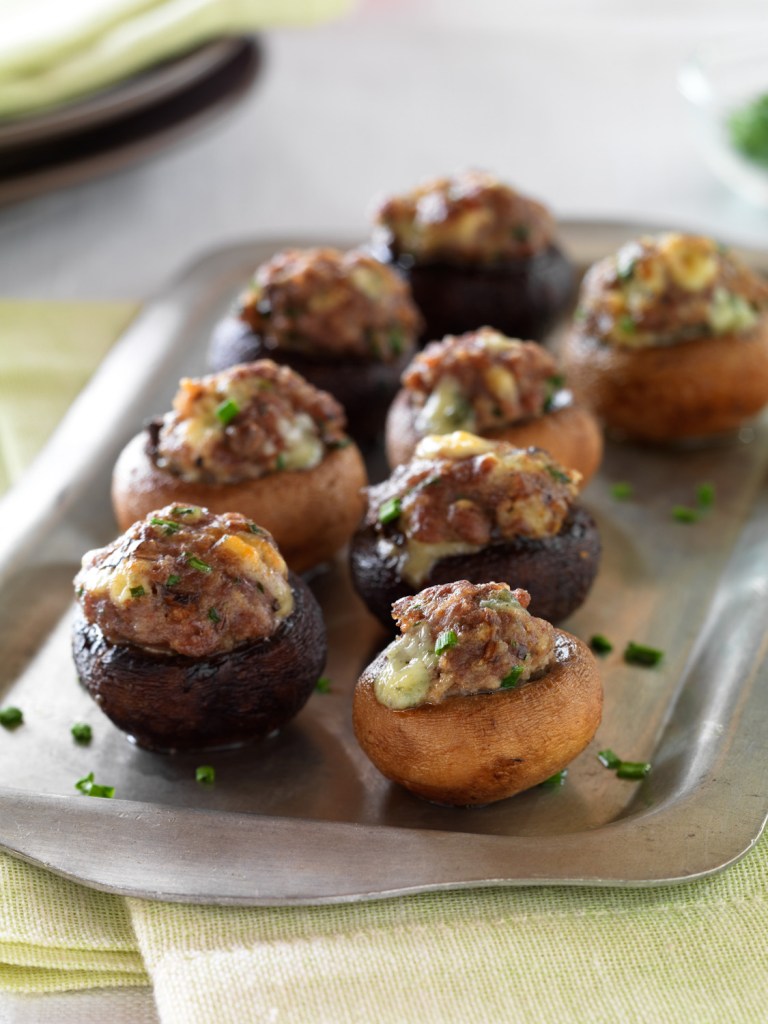
Days of celebration with loved ones are upon us. While we enjoy the closeness of family and friends, entertaining and keeping those close people happy can pose challenging at times. So while your roast is in the oven cooking away, whip up a few appetizers to keep the hangry people happy and cheerful. We’ve listed five of our favorite appetizers for your easy access.
These bad boys tell your guests you slaved over the oven to make them, but you didn’t! Let them be fooled while they enjoy these little delights before dinner. Recipe from Beef. It’s What’s for Dinner.
It’s cheesy. It’s carby. And it’s a hands-on experience. What more could you want out of a delicious appetizer?! Thanks to our friends over at I Wash… You Dry for this delicious idea!
Something easy, but equally delicious and easy to snack on. This will keep anyone from asking, “Is dinner ready yet?” Recipe by the talented Kristine in between.
If you want to be guaranteed you are cooking with a good recipe, then you grab one from Damn Delicious. She doesn’t disappoint with these Cocktail Meatballs!
Though they may be little, they are mighty! Guests should be encouraged to have more than one and you can always offer up the secret of their nutrition content at the same time. These little guys are only 50 calories a piece and chocked full of zinc, iron, and protein! Recipe from Beef. It’s What’s for Dinner.
From everyone here at the Arizona Beef office, we want to wish everyone a great holiday season. And we sincerely hope, we’ve helped to take some stress off your plate with this list of goodies!
The buzz of tour day was in the air this past spring at the University of Arizona’s Maricopa Extension. The buzzing people were 24 culinary students and Chef Chris Wolf, who serves as their instructor at the Arizona Culinary Institute. “At the Arizona Culinary Institute we cover the full spectrum of culinary education, including meat fabrication, so our students are definitely being exposed to various beef, pork, lamb, and poultry cuts already during their time here at school. Our students are generally very excited to broaden their culinary education in any way possible, and the interest in attending this event was amazing. I actually had a WAITING LIST of students to come on the tour. They all had a great time,” reported Chef Wolf when asked about the Institute and their interest in the tour. These students all voluntarily signed up to spend a day learning about the beef lifecycle from a firsthand perspective.
As the day unfolded, with an introduction and high-level overview of the entire beef lifecycle from staff, it was clear there were striking similarities between these students and Arizona beef farmers and ranchers. Both groups are incredibly passionate about what they do. Common ground was easily found after that realization.
The group toured the JBS – Tolleson plant with Bill Munns, Director of Marketing and Product Management, which gave the students a much better understanding of how a large beef plant works and the high level of safety and science which goes into it. A visit with Paul Heiden at Heiden Land and Cattle was next, providing a better look at the live side of the producing beef. Important discussions continued on many subjects including animal handling and care, water issues, and the controversial topics of antibiotic and growth-promoting technologies.
“I think the value of this tour is obvious: It gives the average person a REAL opportunity to see where their meat is coming from. It’s not a-he said/she said issue, or what they saw online, or what they read somewhere…it’s an actual real-life chance to see the industry in action so that they are educated and can make their own decisions about how they feel about the meat industry,” shared Chef Wolf. “There is no question that this is a worthwhile use of time. The entire tour from start to finish was well managed, educational, and exceeded expectations. I feel that EVERYONE left the tour knowing more than when they began.”















 Valentine’s Day and Heart Month make such a cute couple, don’t you think? New evidence shows lean beef and heart healthy diets go pretty well together, too. In a new study published in the January 2017 issue of
  Confetti Beef Taco Salad
 Citrus-Marinated Beef and Fruit Kabobs
 Sweet Potato Beef Mash-Up

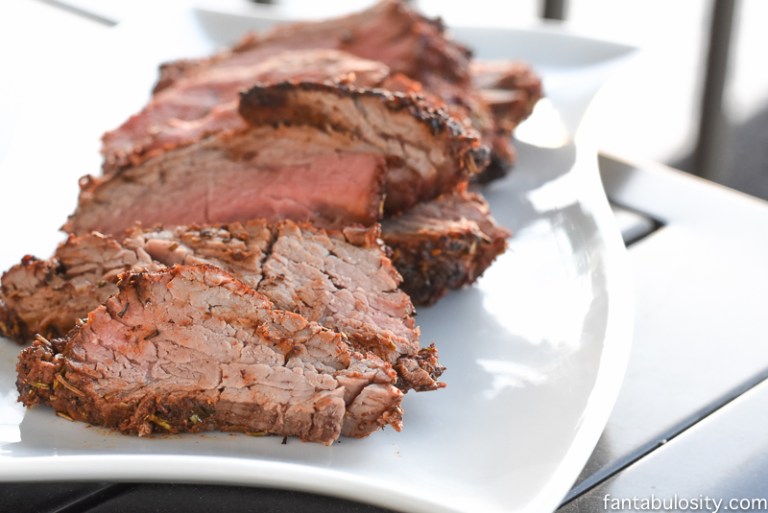 The Best Meat Rub and Beef Tenderloin Recipe: The “Braxton” by Fantabulosity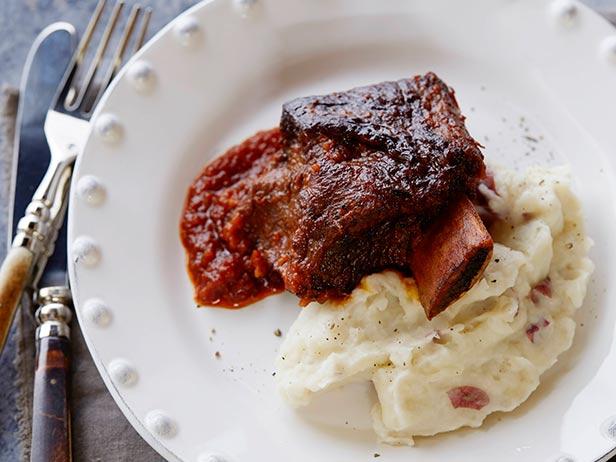
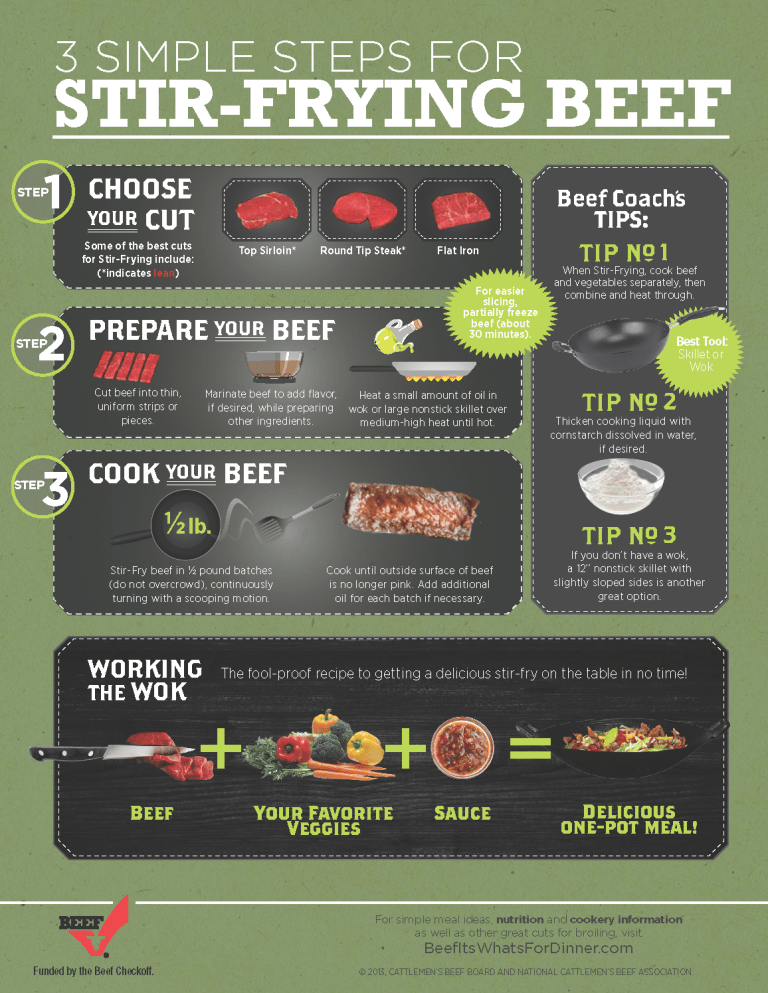 3 Simple Steps for Stir-Frying Beef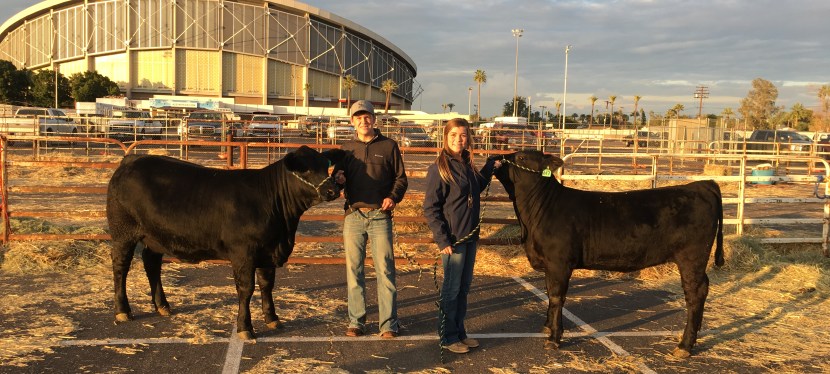

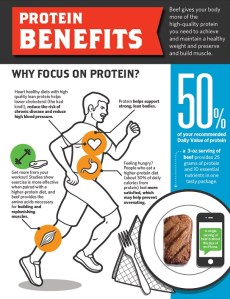
 The Beef Checkoff wants to help you reach your goals of being a healthier you in 2017, and an excellent way to get more protein in your diet is with the


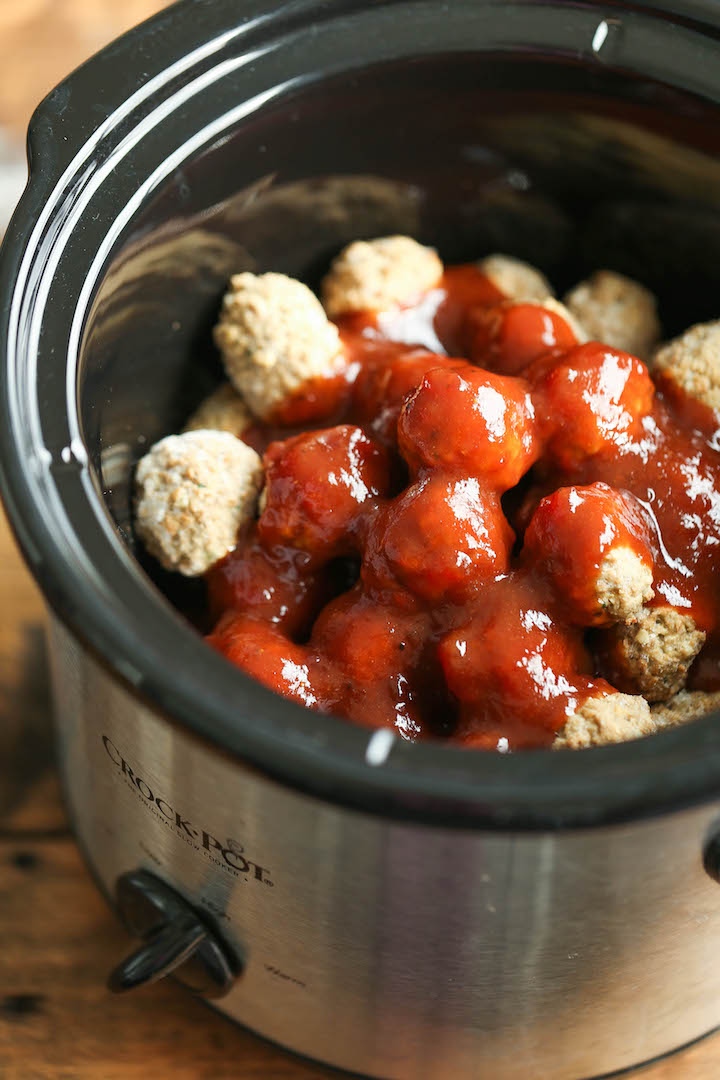 Slow Cooker Cocktail Meatballs

 The buzz of tour day was in the air this past spring at the University of Arizona’s Maricopa Extension. The buzzing people were 24 culinary students and Chef Chris Wolf, who serves as their instructor at the
 Arizona Beef Blog