For Arizona’s ranching families, the land is not just where they raise cattle; it’s also where they raise their families. They have a personal stake in the quality of their environment – so they are always looking for new ways to improve the air, water and land on and near their property.
Families and ranching go hand in hand. 98% of farms and ranches in the United States are family owned and operated and many of those are passed from generation to generation. The land isn’t just where ranchers raise cattle, but where they raise their families, provide open space and create wildlife habitat.
In fact, today’s cattlemen are significantly more environmentally sustainable than they were 30 years ago. A study by Washington State University in 2007 found that today’s farmers and ranchers raise 13% more beef from 30% fewer cattle. When compared with beef production in 1977, each pound of beef produced today:
Produces 16% less carbon emissions
Takes 33% less land
Requires 12% less water
There are no one-size-fits-all solutions to beef sustainability. Rather, farmers and ranchers balance the resources they have available to meet the goals of their operation: responsibly raise cattle, take care of the land, provide for their families, and produce food for others. Rainfall amounts, temperatures, soil conditions, and vegetation are just a few of the regional geographic variables that affect how beef farmers and ranchers sustainably manage their operations.
Arizonans rely on farming and ranching families to manage and maintain more than 26 million acres of land in Arizona. A healthy aspect of sustainable beef production involves grazing cattle on U.S. rangelands, about 85 percent of which are unsuitable for crops. Raising cattle on this land contributes to the ecosystems by converting forages humans cannot eat into a nutrient-rich food humans can eat — beef.
It is not a surprise to hear that dietary preferences are changing towards leaner meats. With more and more information available regarding health and nutrition, consumers have become more concerned with their health and what they consume. While it is easy to recognize changes in product development with labels shouting “fat free,” “zero-sugar added,” and “low calorie food,” we do not usually think about how farming and ranching techniques have changed over time to meet demands for “healthier” options. How are ranchers and growers keeping up with the demand?
Leaning Out
The 1980’s saw a shift in focus towards nutrition and diet in America. In 1977, the U.S. Senate Select Committee on Nutrition and Human Needs recommended a reduction in consumption of high fat foods and animal fat. In 1980, the first Dietary Guidelines for Americans was published, sparking many changes in the consumer marketplace. The National Consumer Retail Beef Study was funded by members of the beef community in 1986 to address consumer issues with beef. The study established that the change in consumer preference towards leaner cuts was driven by dietary recommendations and increased nutritional knowledge.
In 1988, the Beef Checkoff Program was created. This program collects $1 per head on the sale of live cattle, then the Beef Checkoff funds research and education. The first major research design funded by the National Beef Checkoff Program was the National Beef Market Basket Survey. This study brought industry leaders to the realization that most animal fat was being removed at the processing level, due to consumer demand. For this reason, efforts were made to reduce fat produced to reduce overall waste while maintaining high quality, taste and tenderness. The Value-Based Marketing Task Force then initiated a “War on Fat” campaign to reduce excess fat produced.
Production Changes
To reduce the production of fat while maintaining high quality beef, farmers and ranchers worked to produce leaner animals. Leaner beef results primarily from a change in breeding and feeding practices. Cattle are bred to enhance desirable traits, such as leaner animals. Feeding practices have improved due to research on ration and nutrition to optimize cattle health. While much of lean beef relies on specific genetics and raising of cattle, farmers and ranchers commit to and care for their land, stewardship practices that ensure sustainability for the land, and their cattle.
Photo by Roxanne Knight
Leaner beef results primarily from a change in breeding and feeding practices.
Lean Beef Options
A 3.5 ounce serving of beef qualifies as “lean” by the USDA,
if it contains:
4.5 grams of less of saturated fat
10 grams or less of total fat
less than 95 mg of cholesterol
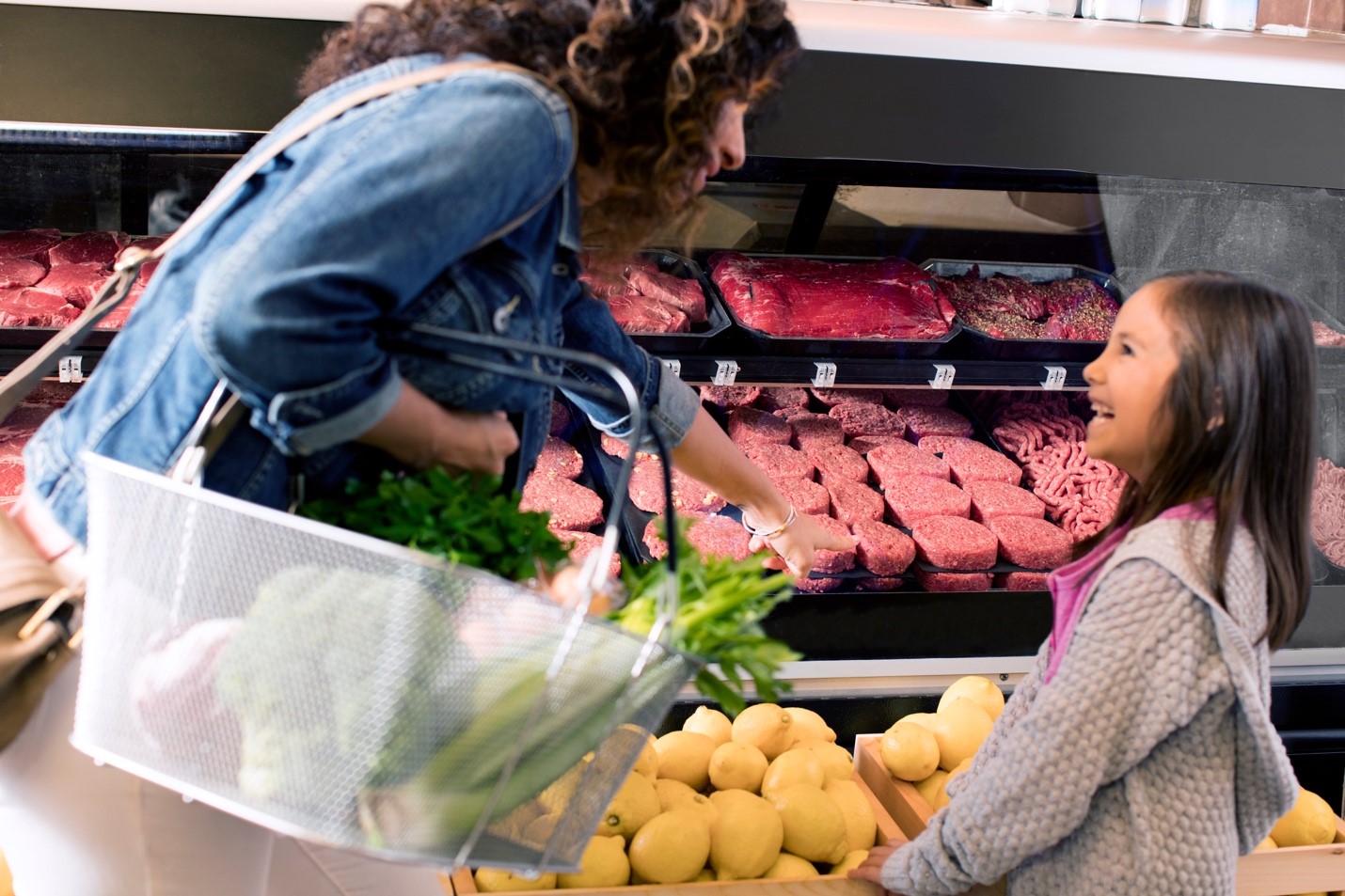
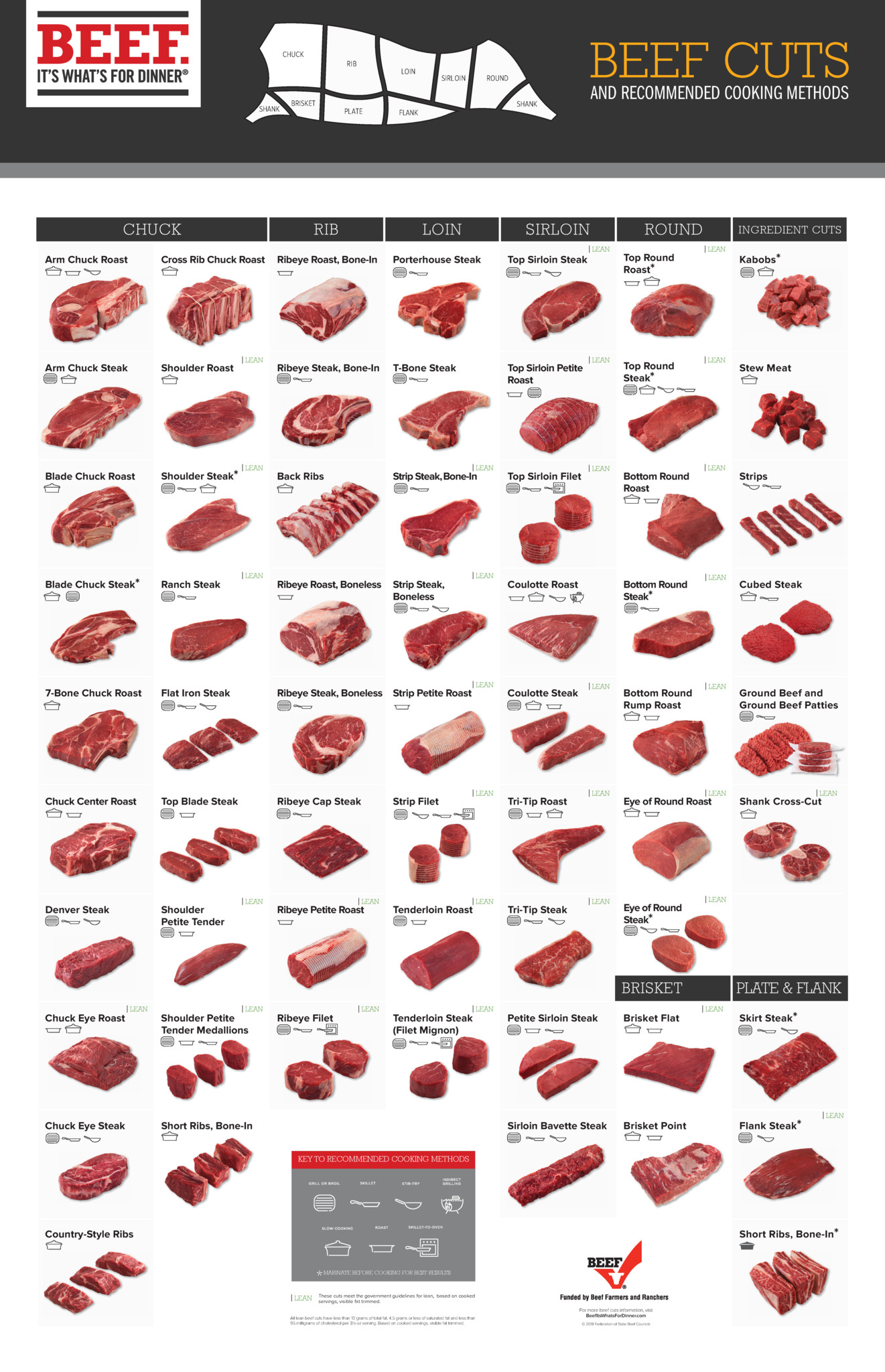
There are many cuts of beef that qualify as lean, including 17 of the 25 most popular cuts of beef, like Top Sirloin, Skirt Steak, and the Tenderloin.
Many lean cuts of beef are the most popular like the Top Sirloin, Skirt Steak, and the Tenderloin.
Naturally nutrient-rich, beef is an optimal choice for protein because it contains all nine essential amino-acids. Because the human body cannot make these building blocks, they must be obtained from another source: protein. Registered Dietitian Caitlin Mondellli says, “Beef is a healthy protein source that can fit into an everyday diet. We tend to think of beef in a high calorie context, but more than 60% of retail cuts are considered lean.” Cailtin adds cuts of beef into her diet weekly. Suggesting that consumers balance their plates with grains and vegetables, “I select leaner cuts, so I can add cheese or other fat sources to my plate. All cuts of meat can fit, you just have to create that balance.” With so many lean beef options, consumers do not have to sacrifice delicious to live a leaner life.
This post was written by Celia Dubauskas. Celia is an undergraduate student at Arizona State University, studying Nutrition Communication. This spring, she has been an intern for Arizona Beef Council, creating written and social content for our platforms. Celia is an experienced fitness professional and is certified as a personal trainer through the National Academy of Sports Medicine. Her passion for fitness has fueled her interest in nutrition and learning more about health and diet culture. Keep on eye out for upcoming posts!
Green beer and corned beef day is just around the corner! While you don’t need a recipe for the beer, we can help with the directions on the corned beef. Plus ideas for breakfast and lunch the next day! Bonus: A perfect beef-y brunch drink is included in our recipe round up!
Let your slow cooker do all the work for this complete meal of beer-braised Corned Beef with fresh cabbage and red potatoes. It’s a great dish for your next celebration.
Cook once, dine twice. Enjoy Corned Beef Brisket with roasted carrots, parsnips, cabbage and a lemony sauce tonight, then spin the leftovers into a savory salad tomorrow.
Try this brunch favorite with a depth of flavor only beef can provide. Roasted Beef Stock is the secret ingredient to this one of a kind Bloody Mary. Garnish with a beef slider, beef meatball, or whatever you can dream up.
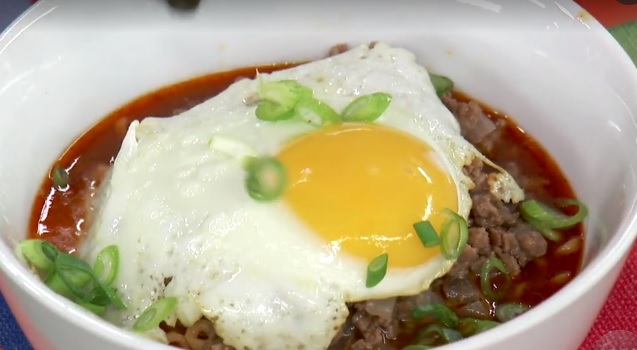
Tied with the Reuben for the ultimate expression of Corned Beef. Here it’s diced, skillet-cooked with cubed potatoes and thinly sliced leeks, and ideally topped with an egg.
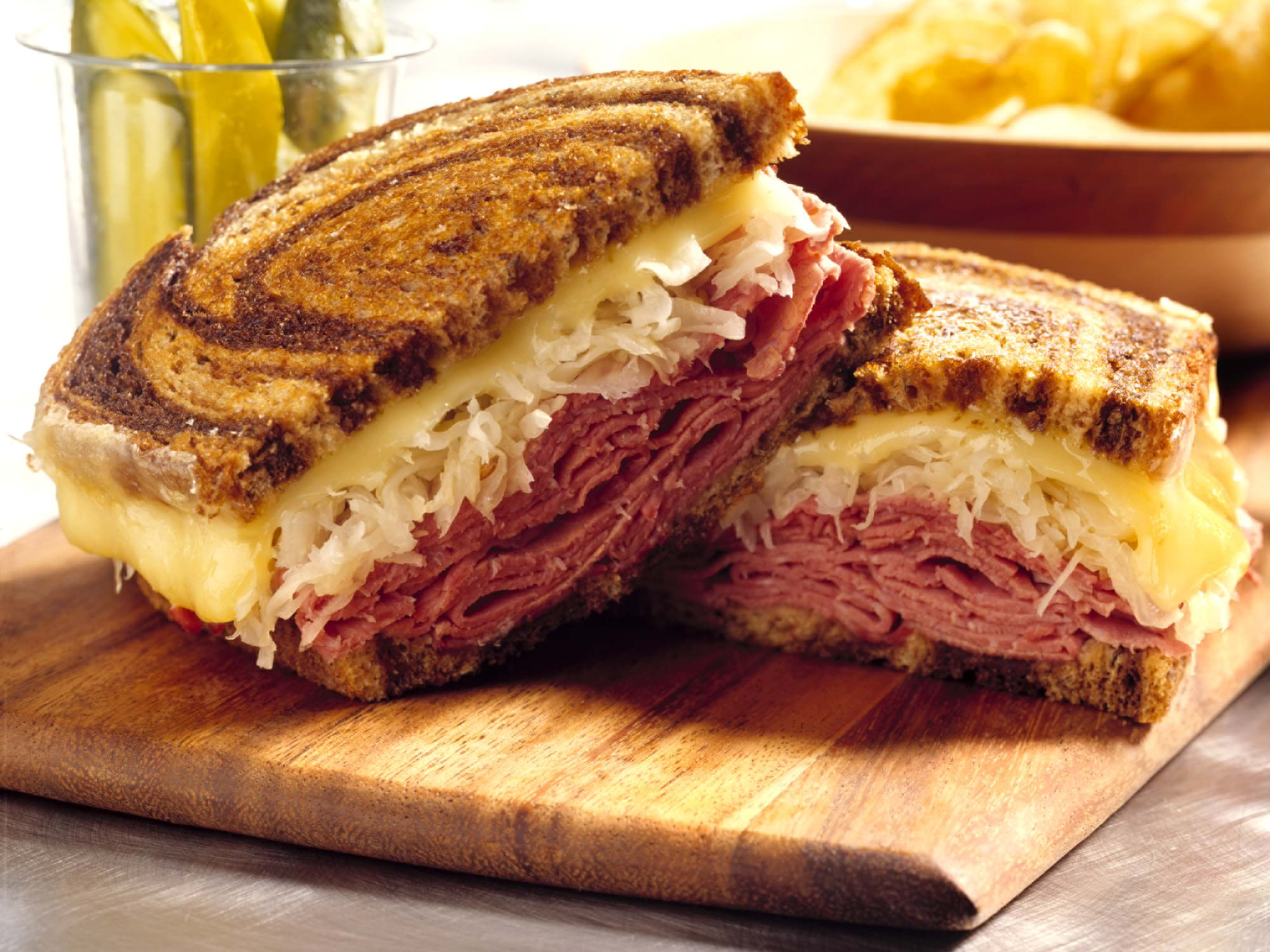
Try this deli classic for lunch or dinner today. Thinly sliced deli Corned Beef or Pastrami is sandwiched between rye bread with sauerkraut and a tangy home-made dressing.
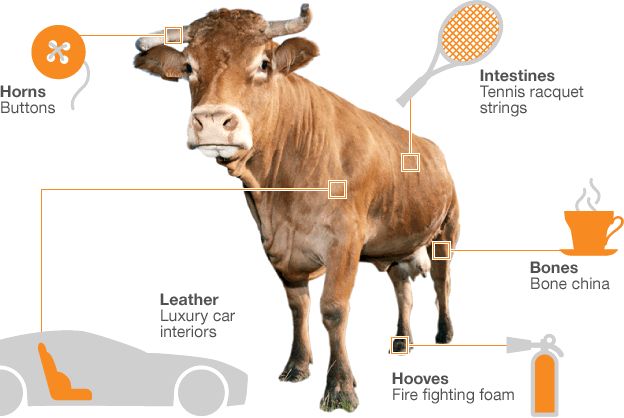
What do footballs, lipstick, charcoal, paint, and wallpaper have in common? They are all important items we use in our lives and they all come from cattle.
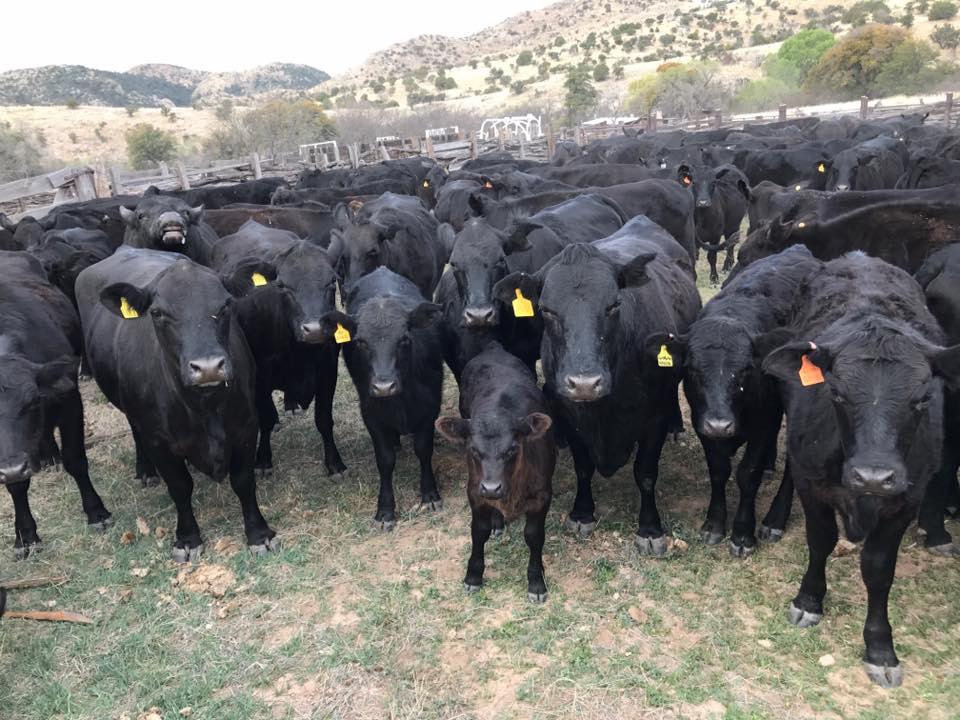
These guys, they are more than just beef! Photo by Dan Bell.
Wait, what? Yup, you heard us! Those items all contain an ingredient from cattle which we call a by-product. The main reason we raise cattle is for the delicious beef they produce. What is left over is called a byproduct. While the word byproduct might sound like something that isn’t useful, don’t let the word deceive you. These items are extremely important to many of the everyday items you use at home.
You can think of it as a recipe. Just like you have a recipe to make, let’s say, meatloaf, there is a recipe to make lipstick, or footballs, or paint. The recipe provides you the ingredient list and the steps to get you to the end product. The byproducts from beef are one of those ingredients on the list.
Just like this Summertime Meat Loaf has a recipe so do other products! Photo and recipe courtesy of BeefItsWhatsForDinner.com.
When we harvest a beef animal, about 60% of that animal becomes beef. The remaining 40% includes things like skin, fat, bones, tendons, organs, etc. Here is where byproducts become especially important. We can’t waste half an animal! But we can use those items in inventive and innovative ways to help make our lives easier.
An obvious byproduct is leather. It comes from the cow’s hide. Cowhides are an important part of most of America’s popular sports. One cowhide can make 12 basketballs OR 144 baseballs OR 20 footballs OR 18 volleyballs OR 18 soccer balls OR 12 baseball gloves.
Gelatin is another great example of a beef byproduct. It comes from connective tissue and is a staple ingredient in anything that jiggles or has that well known springy consistency. Hello Jello and gummy bears! Marshmallows and gum are two other products which contain gelatin.
It’s not just yummy products which contain cattle byproducts. Many important medical items also contain these useful items. Ointments for burns and first aid creams use byproducts as an ingredient along with extremely important antirejection drugs, which are used when someone has a heart, liver, or other organ transplants. The sticky part on bandages can be made from the fatty acid.
Other items which contain beef byproducts are insulin, dog food, rawhide bones, laundry pre-treatment, bone china, toilet paper (to make it soft), glue, dish soap, candles, film, crayons, paintbrushes, printing ink, nail polish remover, deodorants, antifreeze, hydraulic brake fluid, car wax, highways, tires, and so much more!
Add this to the list of reasons why cattle are amazing animals. They take sunlight which was used by plants we cannot eat and turn it into delicious and nutritious beef and all of these things we use to help make life easier. Thank goodness for cows!
It’s the beginning of a new year, full of possibilities, but we can’t just forget about 2018. That was a good year! So here is our annual round up of the Arizona Beef Blog’s top ten most read posts. We visited with ranchers across the state to bring you more information on how beef is raised, delicious beef meals were cooked and shared so you can recreate them at home, and much more. Enjoy!
Coming in at number 10, a blog about how perspective can show much more than we think. This blog is an important reminder to think from all angles before sharing a photo on social media channels. It might look fine to you, but to someone else who may not have the background knowledge you do, it might mean something totally different.
This blog post was reposted from our friends over at the Diablo Trust. It was written by Sheila Carlson who has worked at the Flying M Ranch for the past 10 years. She wrote about how ranchers care for the land they are managing because it’s how they make their living and mistreating the land is simply not an option.
We put these recipes in one spot as a quick read to help with your holiday plans, but in reality, this can be a post you can refer to all year long. There are some delicious appetizers, main courses, and even a dessert recipe! We suggest you save this one to your Pinterest under your “Yummy Food” board.
Amber Morin, who was raised on her family’s ranch, contributed a thought-provoking read in this blog post. The divide between agriculture and urban life is large and is only getting larger but we are all more alike than we think. Amber explains how. If you didn’t read this already, read it now. If you did read it when it came out, read it again anyway. It’s that good.
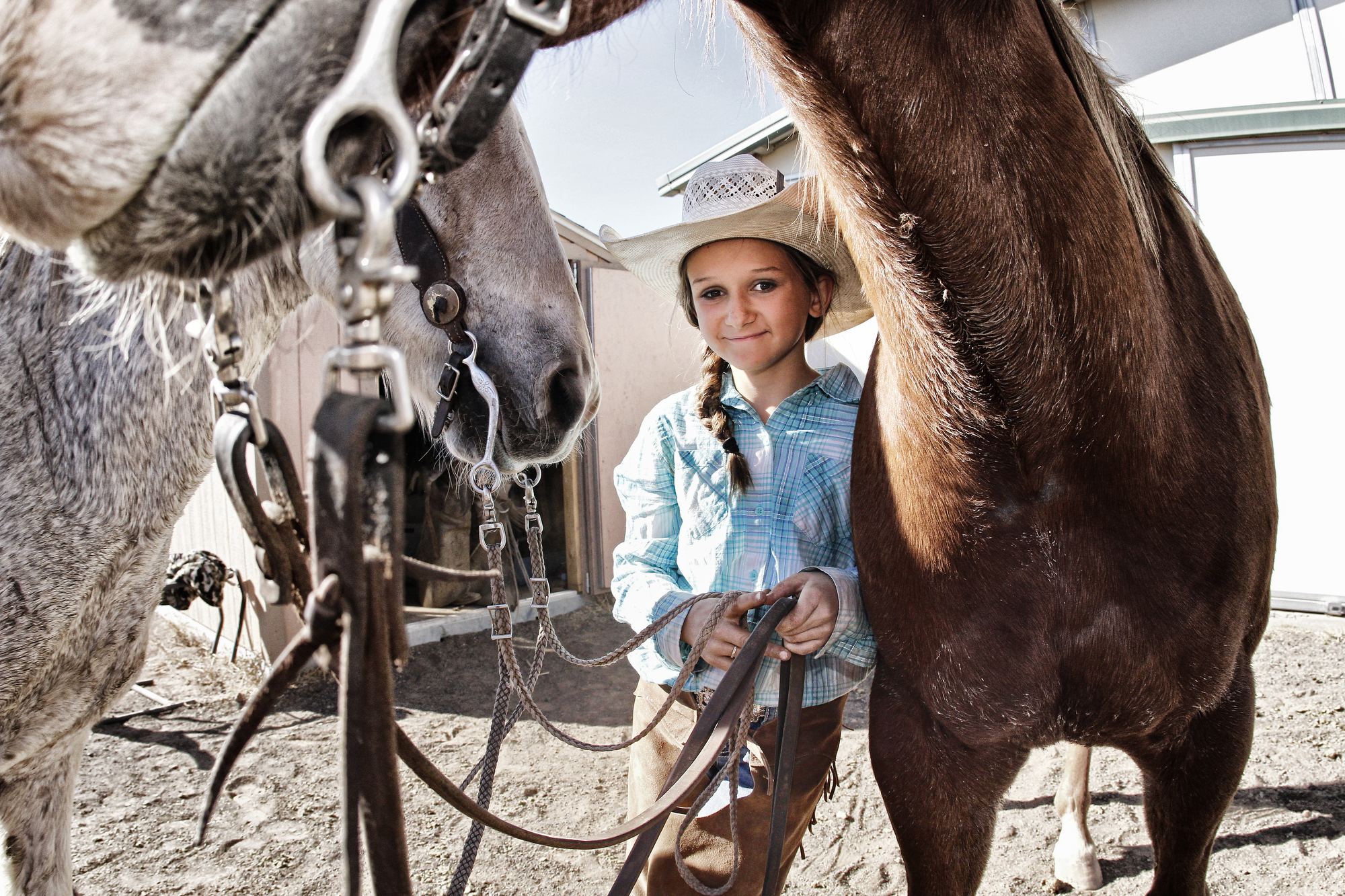
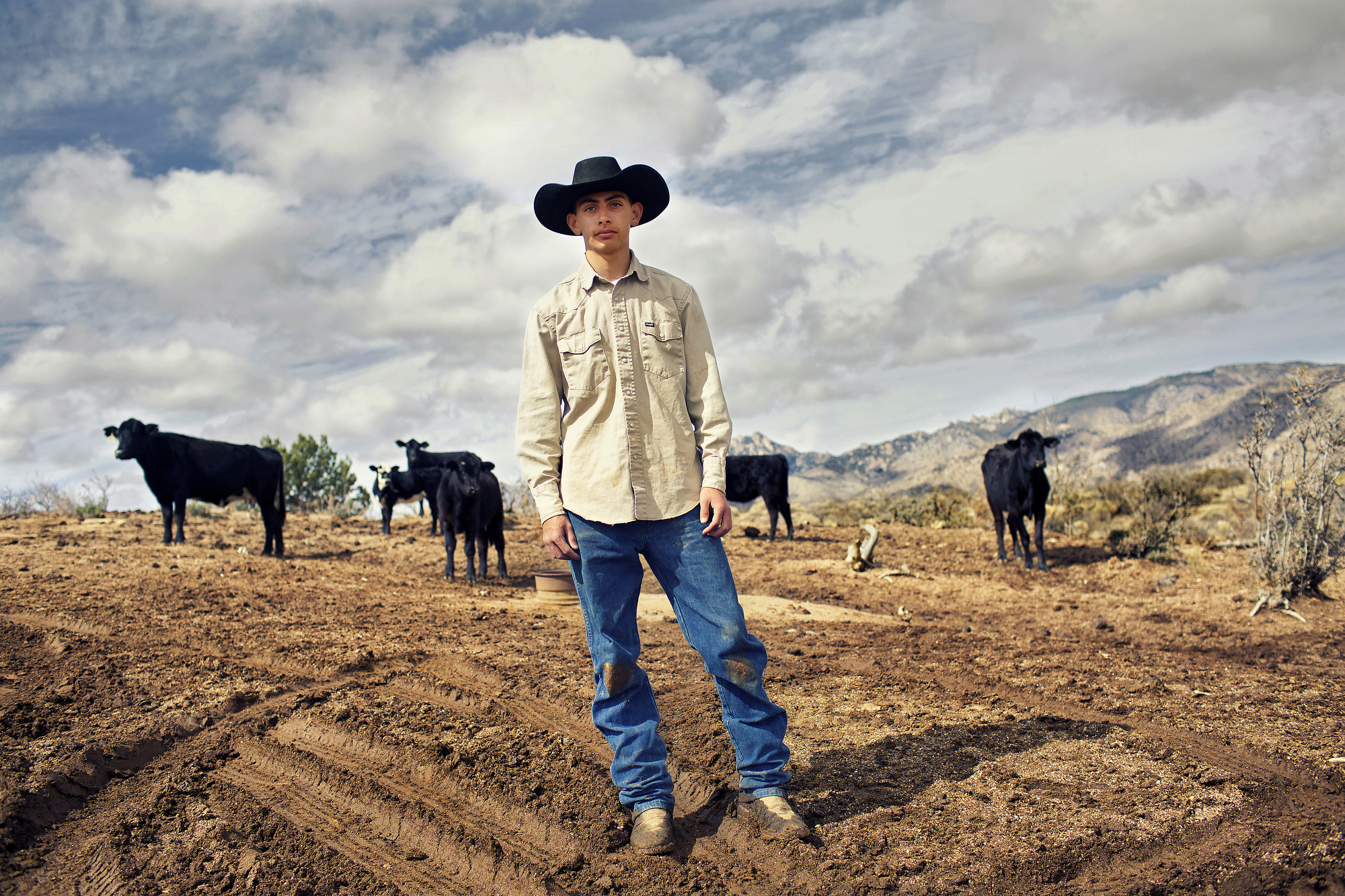
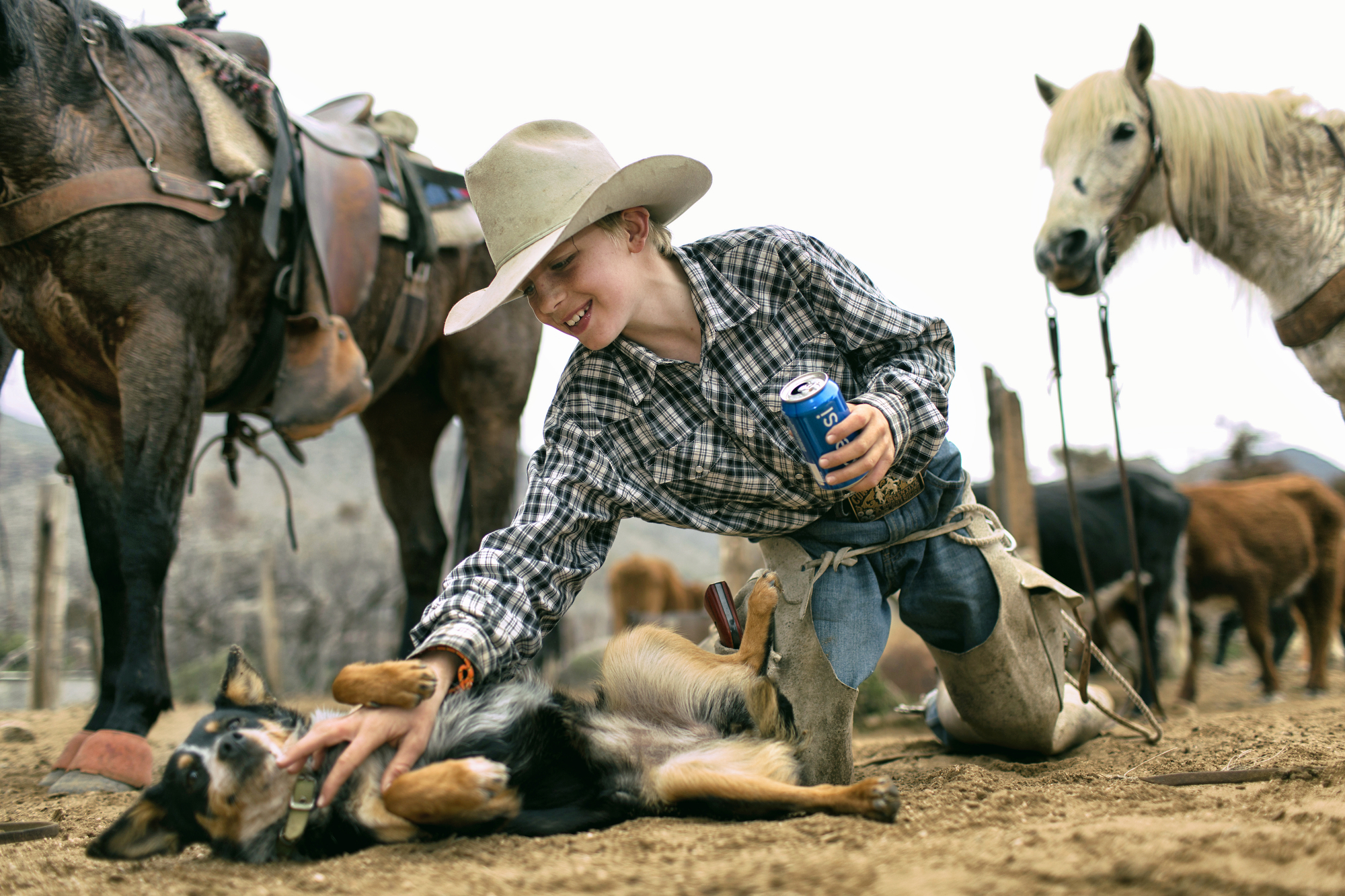
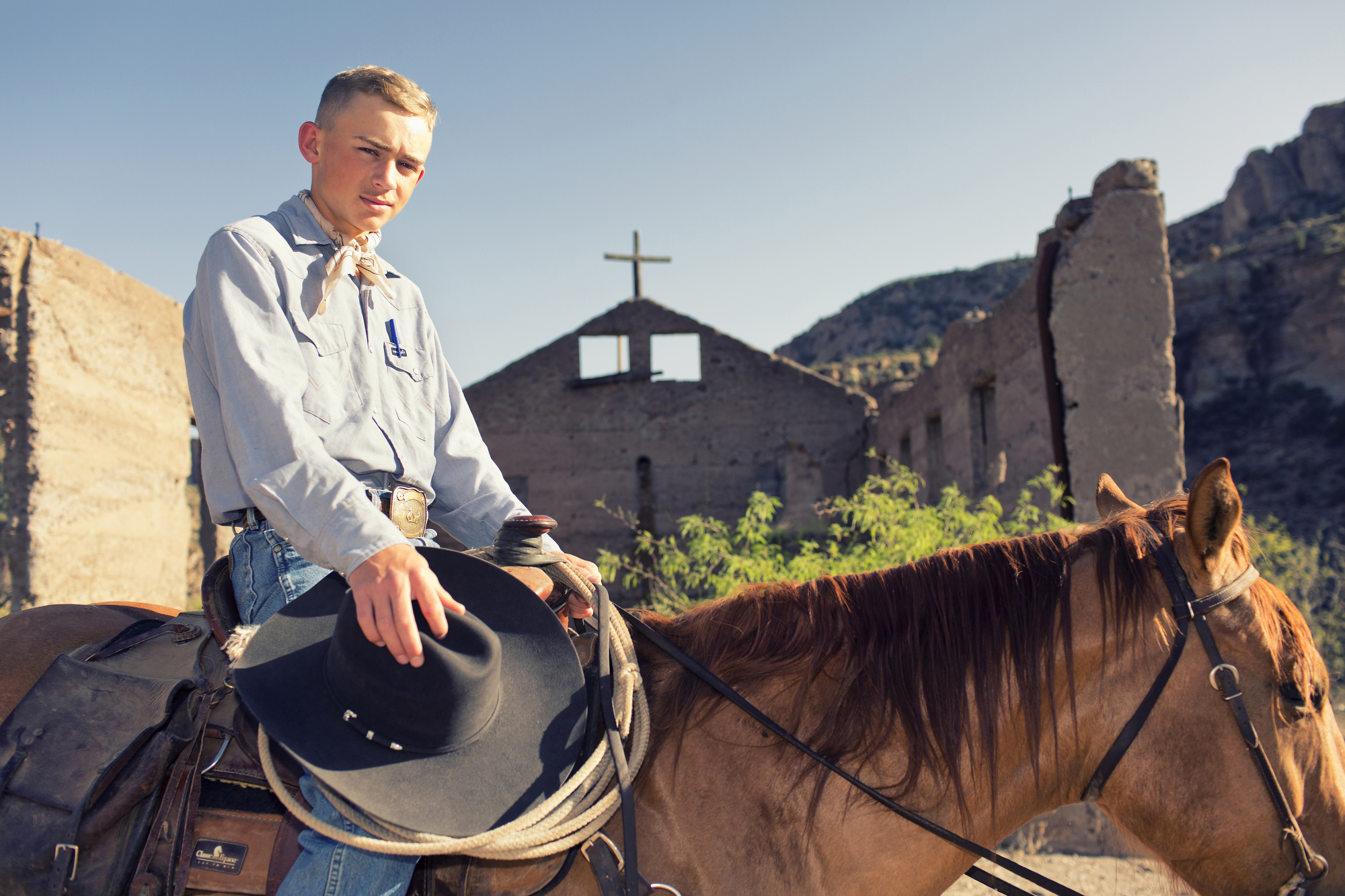
The iconic photos of western life tend to feature older people who have lived this rough life for many years, and it often shows in the wrinkles caught on film. Seth Joel and Charlie Holland, a photography dynamic duo, set out to show the next generation of the ranching community. We did a question and answer session with these two and shared it on this post, along with a plethora of their beautiful photos and information on how you can order their book.
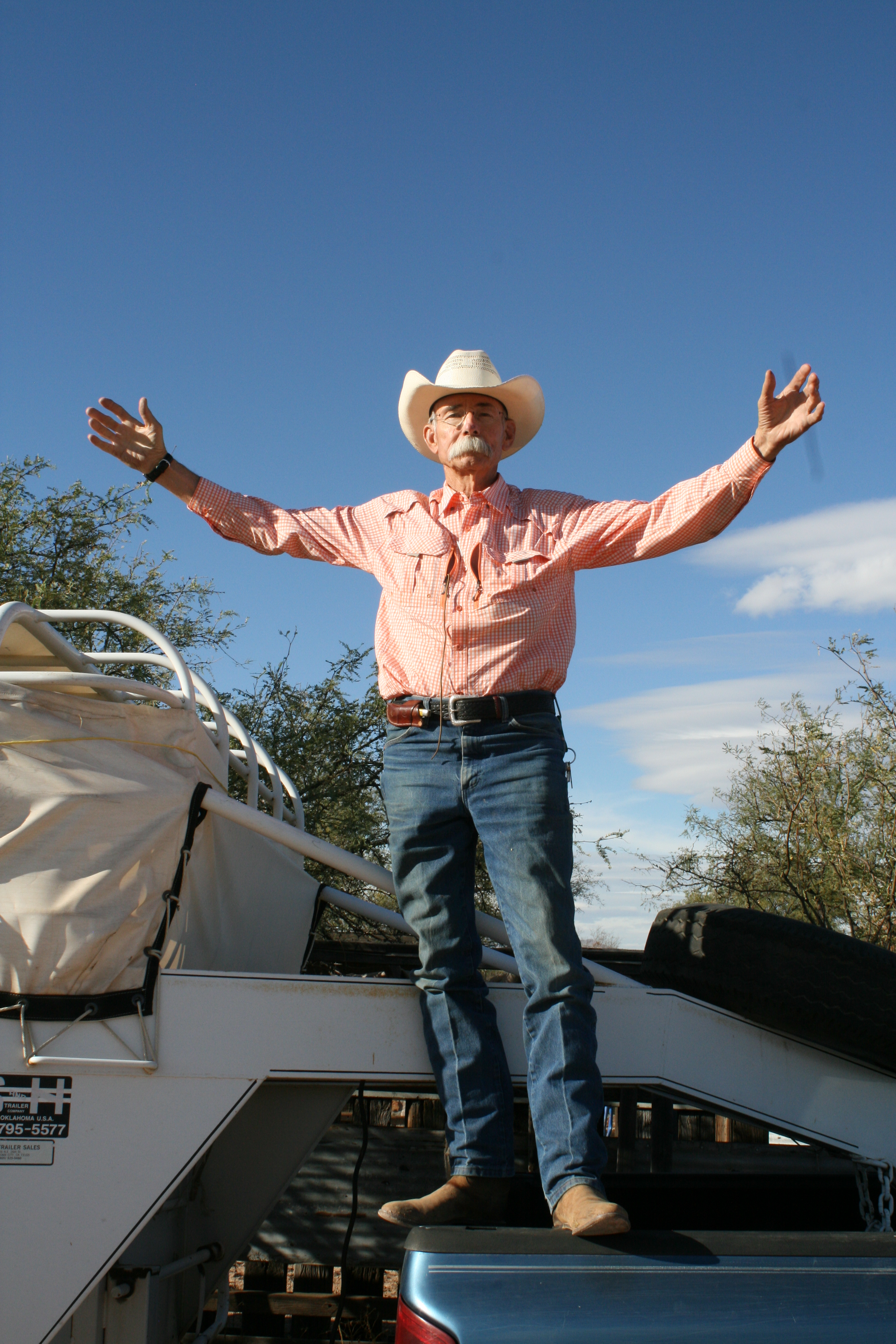
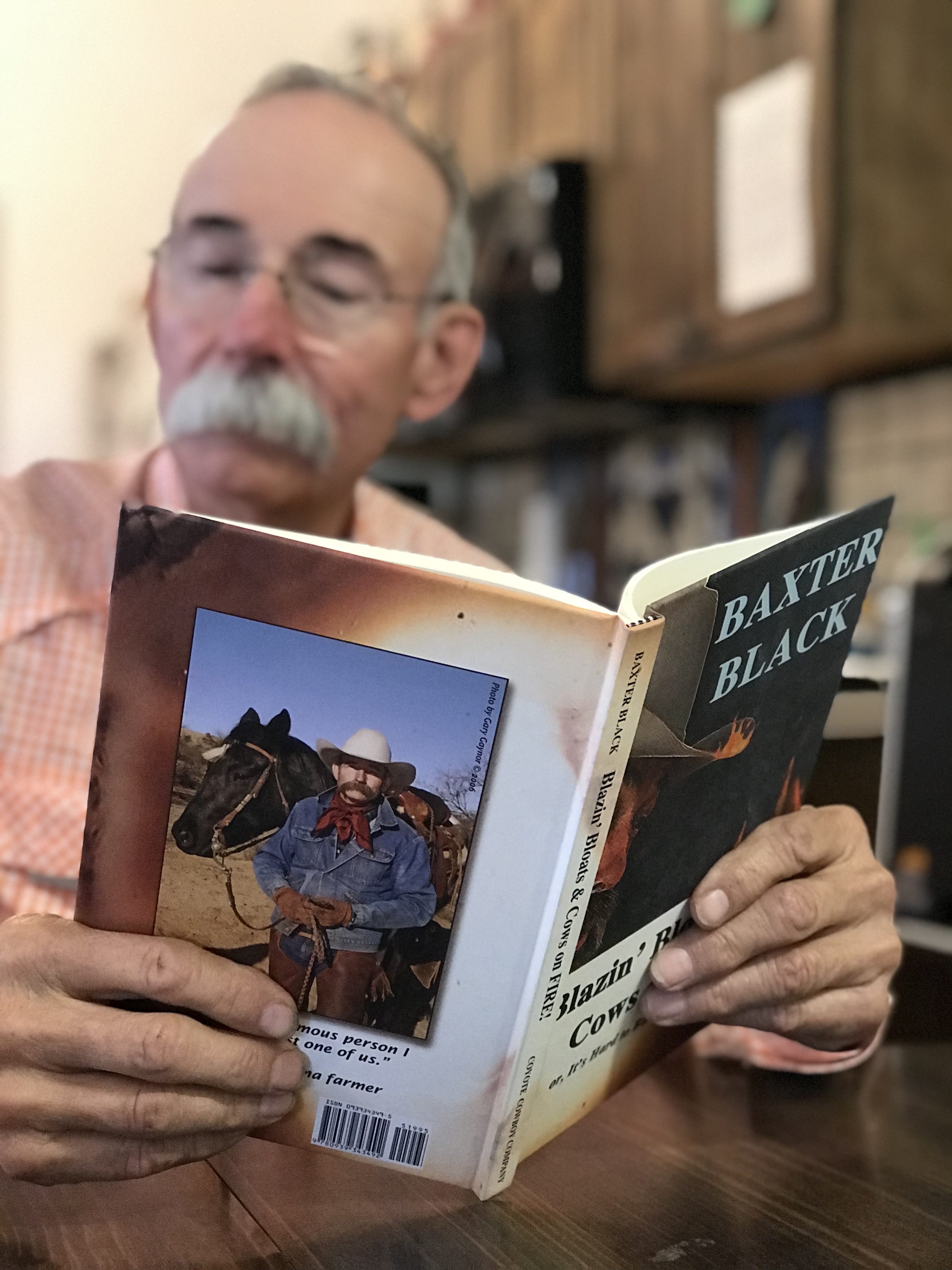
The writing of the 5th most read blog post was nothing short of an adventure. It took Tiffany, Lauren and Heidi down to the southern end of our state for a visit with the one and only Baxter Black. Stories were told, history was recorded, and there were many belly laughs. In this post we simply introduced (does he really need to be introduced?) Baxter and share some of his history. We also share a little bit about arrows and how Baxter uses those in his life.
The 4th most read blog post of the Arizona Beef Blog is a Meet Your Rancher feature. We were lucky to hear from Ashlee Mortimer and how her family handles things like drought. As many ranching families do, the Mortimer family faces issues that are out of their control but they find innovative ways to keep their cattle well cared for and fed.
Everyone loves a good list and when it’s life lessons from someone like Baxter Black, do you even need an explanation why this is so high on our list? We don’t think so.
Brooke from Brooke Appetit shares delicious recipes over on her Instagram and we just couldn’t get enough. So we asked her to come up with something delicious for the Arizona Beef Blog. While she shared this delicious fancy night in dinner, she also showed off her family’s dairy farm and the impeccable care that is given to their cows.
The top most read blog post of 2018 is about a family who has been ranching in Arizona for a long time. They might be old hat at the ranching game but this family isn’t stagnant. They are always looking for ways to improve how they raise cattle, how they manage and care for the land, and keep a constant pulse on what the consumer wants. This family truly is the epitome of our slogan, “Arizona beef. Raised by families for families.”
We hope you enjoyed this round up of the most read blog posts on the Arizona Beef Blog of 2018! Cinch up your saddle and get ready for the ride because 2019 is going to be a fun one.
The big day isn’t far away (we won’t remind you of just how few days you have left to shop) and we thought you might be searching for ideas on what to serve your holiday guests. We’ve compiled a list of 12 beef-y recipes, ranging from appetizers to the main course and everything in between! You may not have your Christmas shopping done, but at least you’ll know what’s on the menu!
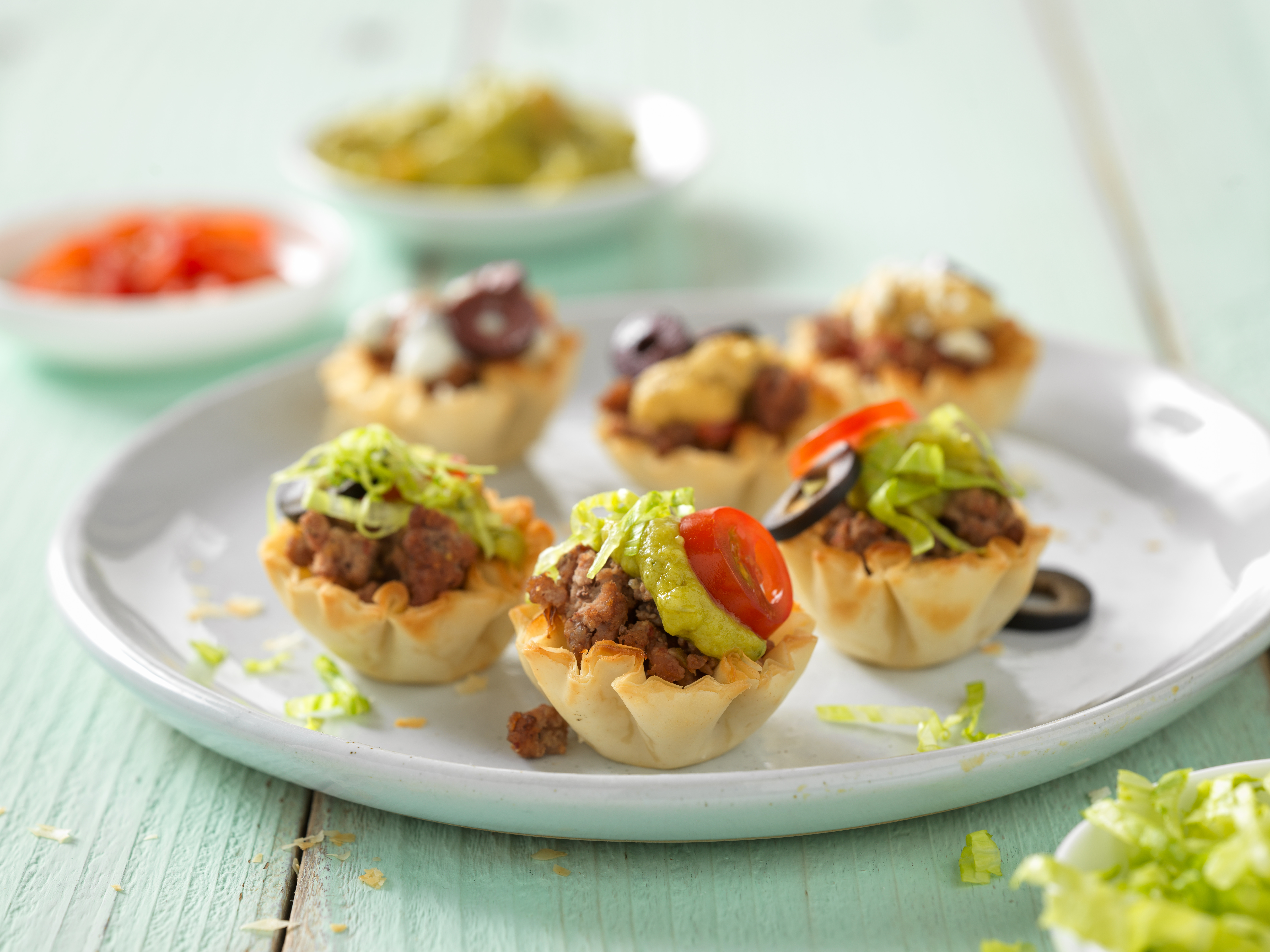
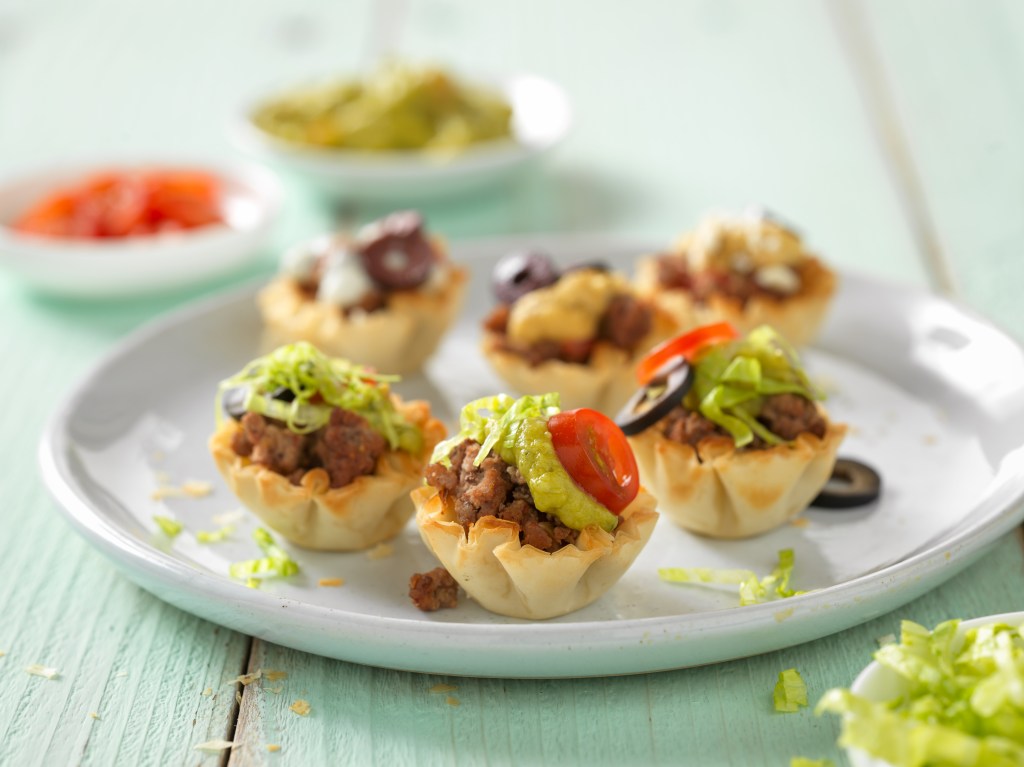
Okay. Let’s be real here. Who doesn’t love a good taco? Make it tiny, self-contained, and bite-sized and people are going to flip! Shake it up with different toppings such as guacamole, sour cream, and salsa. ¡Feliz Navidad!
Because anything you can serve on a stick is a great idea for appetizers. Well, maybe not anything. But these Teriyaki Steak Skewers – they are definitely a good idea.
Some are trying to stay on track with healthy eating during the holiday season. Not us. But other people. For those folks (and really everyone else), try out these bad boys. They are bite size and low cal disguised as delicious!
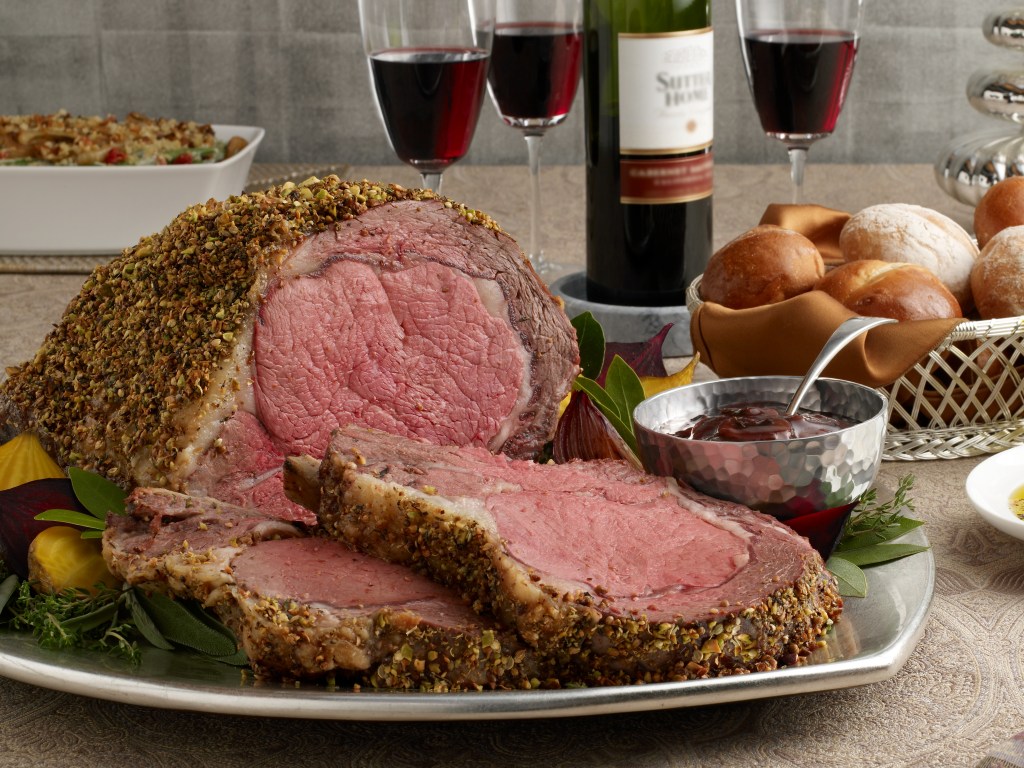
This holiday season, impress your guests with this delicious Cranberry Balsamic Roast Beef! A little tangy, a little sweet and a whole lot of mouthwatering. Perfect to feed a crowd!
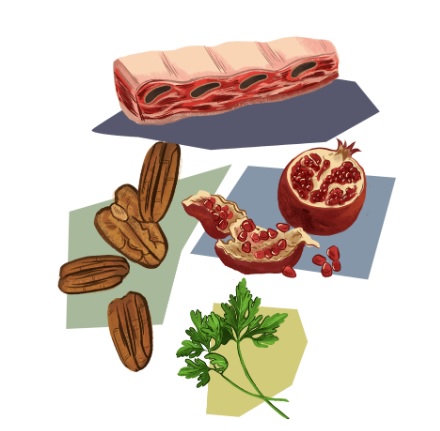
For Chef Justin Turner’s vision of a Texan beef centerpiece combines a signature low-and-slow braise with a Southern riff on tabbouleh—a bejeweled side dish studded with pomegranates and local pecans and designed around easy entertaining. Yum.
This is what you’ve been waiting for. The center of the plate. The crown jewel of any self respecting Christmas smorgasbord. The prime rib. This one isn’t really a recipe, per say, but it’s a resource to help you ensure your prime rib is perfect and has people day dreaming about it well into the new year.
Here in the Southwest, tamales are a holiday tradition. Some are talented at the construction and execution of making tamales, while the majority of us are at the will and mercy of those talented tamale makers to provide these delicious corn husk wrapped delicacies. When you are in a pinch, and just need that tamale fix, give this one a whirl!
Thinking ahead (i.e. the day after Christmas) you might crave something a little lighter. This salad is fresh, perfect for the leftover roast, and gives you an opportunity to add some greens back into your world.
The holidays are a great time to spend with family and friends. And their germs. Sunny Anderson cooks up this recipe when she starts to feel under the weather because it’s warm, helps to relieve congestion, and is easy to make.
What do you do with all the leftovers?! Make a hash! Costco has a lot of great beef ideas, but this is one of our favorites. No one likes a food waster.
Wait! Before you click out of this blog post because you are looking at the title of this recipe saying, “They’ve finally lost it over there at the beef office,” give this one a chance. These cookies are an excellent way to sneak some extra protein into your diet through an unlikely source.
From all of us to all of you, we wish you a very Merry Christmas and a Happy New Year!
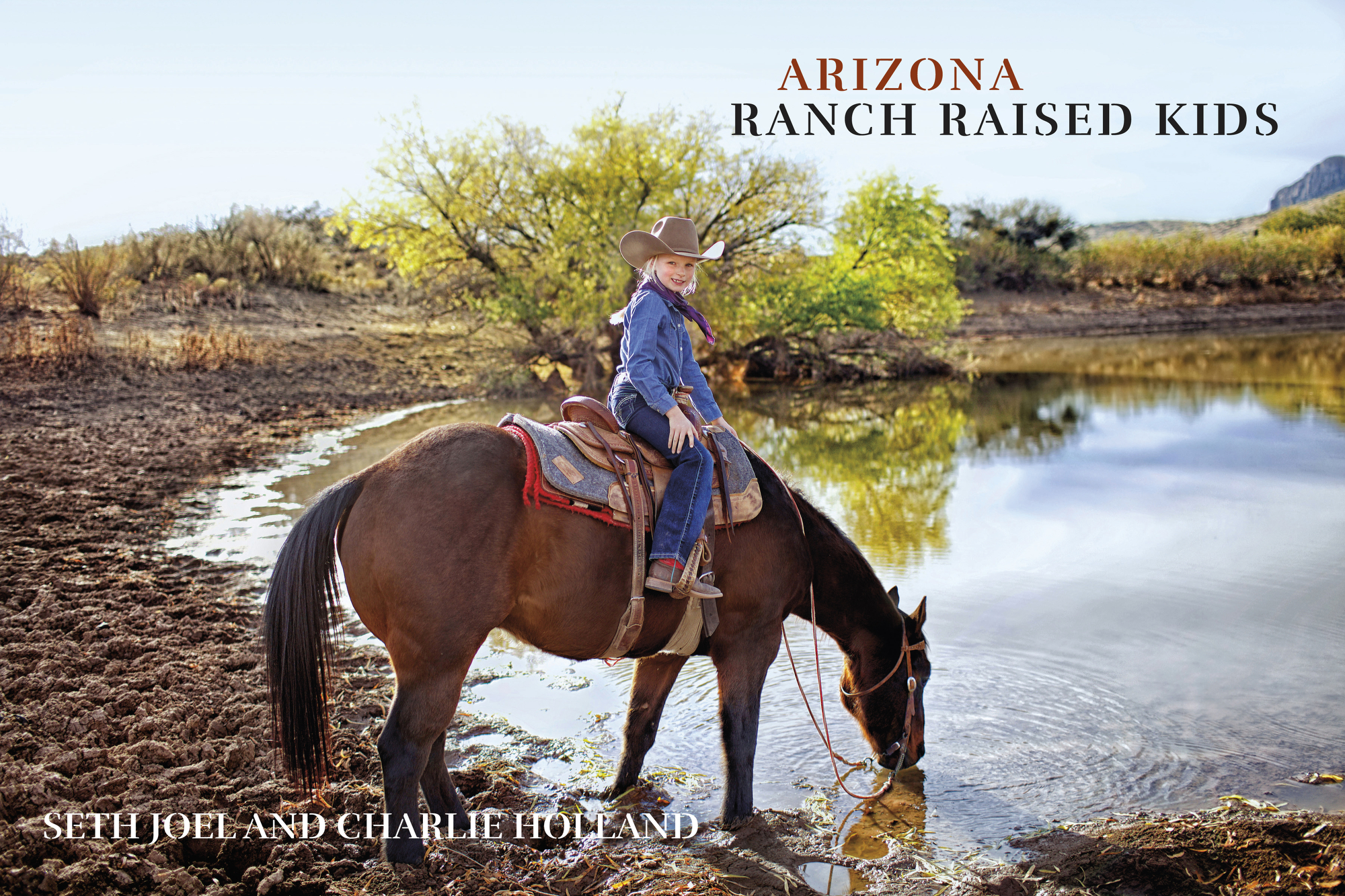
Seth Joel and Charlie Holland have been traveling across the state of Arizona for the past few years. Their goal was to capture life on the ranch, through the eyes of the ranch raised kids. In the ultimate culmination, their photos are being published in a beautiful coffee table book which is set for release on December 3, 2018. It will be available for order on the Arizona Cattle Industry Research and Education Foundation’s website. While you’re waiting, enjoy a sample of their photos while reading through this question and answer interview to learn more about this photography duo and what led them to this project.
A sneak peak of the cover of this beautiful book! Available December 3, 2018.
Arizona Beef Council: How did you get into photography?
Seth Joel: I grew up in a photo family just outside of New York City in a small village called Croton-On-Hudson. Like Ranch Raised Kids, I was mentored by my father, a staff photographer for Life Magazine. I grew up looking at pictures at the dinner table every night. When we started working with the ranch raised kids, I felt a real connection to the ranchers’ kids right from the start. They also have fathers and uncles and grandfathers that were showing them how to do things and then allowing them to learn from doing. This was very much the way I learned photography. After high school, I moved to New York City proper and began building my career. That’s where I met Charlie, who moved from London to New York to work for a publisher. That publisher sent the two of us to India to do a photo story on the Maharaja, and that’s where the two of us met and fell in love, and the rest is history.
Charlie Holland: My background is a little different. I was brought up in England, and I have a degree in anthropology and African history, believe it or not. But I spent about three years in Africa, so maybe that’s why not much fazes me in the outback of Arizona. Then I started working for a publisher doing photo research. We moved to Los Angeles about 20 years ago when our kids were still young where I had a job at Universal Studios.
Julian Arrington
ABC: Photography has taken you all over the world. What is your favorite destination?
Seth: I would say India was probably the most unique destination. Being a photographer is like having a passport into special places and opportunities and seeing people’s lives from a different perspective, almost as an observer. Photography’s been very kind to me. It’s allowed me a lot of opportunities and Ranch Raised Kids is no exception to that. When I’m shooting a photo story, I am completely and totally all in. I just live and breathe and think about it all the time. My discipline on a project is really all about being focused on the story that I’m trying to tell. The ranch kids are amazing because they know that both Charlie and I have come a long way to spend the day with them and they really respect that right from the start. They give me all the time I need. They get completely involved with the project. It becomes very spontaneous. At the end of a photo session with them, they really own their photographs.
Charlie: For me, the beauty of pursuing this type of photography is why I like anthropology. I’m incredibly curious about how other people live and think and the more you know about how other people live and think, the more you realize how similar we all are. This has been a fantastic opportunity to learn that about a distinctive culture in America.
Houston Klump
ABC: What inspired you to do the Ranch Raised Kids project?
Charlie: It was the kids that inspired us to do the Ranch Raised Kids project. We were out in Arizona taking photographs for magazine stories and some other things. While doing these stories, we met some kids in Arizona who told us we should go to the Cowpunchers Reunion Rodeo. We eventually did go, and we met many more children who were growing up on ranches in Arizona. We talked with their parents and learned so much about how they were being brought up. The simple size of a ranch in Arizona was a piece of knowledge we didn’t know. All the kids we met seemed to share certain traits such as excellent manners. My mother would have loved every ranch kid she ever met. We were blown away by their sense of responsibility and the amount of talent they have with livestock. These kids are definitely more mature than their age.
We were ignorant of the fact that there were so many rancheswe had driven through thinking it was empty country. These kids helped us realize something. The cowboy has been portrayed over the last forty to fifty years as a vanishing breed. But these kids showed us that there was, infact, the next generation in ranching. And they are brilliant kids brought up in almost the same way as generations before but with a smartphone in their back pocket. And they are here and now, and they were going to carry on this extraordinary tradition of raising beef. And that, THAT, was what inspired us to do this project.
Hanna Wilson
ABC: How will this benefit the kids you are profiling?
Seth: Our project puts a family face on the ranching business. It promotes awareness to people that are unfamiliar with the devotion families have to the livestock and the range and the desire to raise the standards to a really high level of excellence. We learned every ranching family has many things in common, but the most powerful one is the focus on excellence. They have a job to do, and they are going to do it really well. We are able to show that through the eyes of the children and the stories of the ranch Raised Kids.
Charlie: Kids learn from other kids twice as fast as they learn from grownups. We want this to be for kids by kids. We hope a school-aged child can pick it up and say, “Wow! That’s what this guy really does? The guy with the cowboy hat on, wow, he really does work at five o’clock in the morning?” The other benefit of telling the story through the eyes of a child is that it removes the need to instruct adults or to correct misperceptions. We are showing just who these kids are, what they are doing, and with any luck, we can weave in some insight on how the community lives.
Seth: We feel so blessed that we’ve been able to go to ranches as far north as the Grand Canyon and as far south as the Mexican border. We saw different operations and different kids and different desires, and I think one thing that really impressed us was the discussion about education. We visited thirty-five to forty ranches, and at each one there was a discussion about continuing education. It was thrilling for us to see this as a common thread, from ranch to ranch.
Charlie: Even at the Cowpunchers Reunion Rodeo we heard announcements about scholarship winners and then at county fairs. I’ve never walked into a community that was so dedicated to the education of the next generation. It was astounding.
Trulin Johnson
ABC: Where do you see this project going?
Charlie: We’d like to be able to pull back to do the Southwest. At that point, we’ll have a national interest, and then we can put everything together into one volume which might appeal to a much broader American audience and possibly German and Chinese audience as well.
Colt Noland
ABC: During all of your time spent at ranches across Arizona, what was the one thing that will always stick with you?
Charlie and Seth: The community.
Seth: We’ve been at this for two years now, so we’ve seen and heard about wrecks and the community really pitches in. It’s remarkable! I’ve never seen anything quite like it. Having traveled a lot and seen a lot of different cultures, the ranching community lifestyle really sets the bar up very high. It’s lovely to be a part of it. And we feel lucky to have been welcomed into it. The first six months we never even lifted a camera. We went to cattle auctions and 4-H club meetings. We just started to talk with people and refine our message, and we began to understand how much we didn’t know about the community. We began to learn little by little, and eventually, somebody said, “If you’re really serious about this, I can help you,” and she did, she really did. She began to share us. And once we started photographing, it took off like a house on fire. People just started passing us around.
Charlie: Something that sticks with me is how different each ranch is. There are no two businesses exactly alike. Regarding simple details like when calves are born is entirely different on various ranches. There are thousands of decisions ranchers make, and everyone has a slightly different way of doing it. There isn’t just one generic model on how to run a ranch.
Along with that, these kids are encouraged at very young
ages, as early as seven or eight years old, to invest in their own business.
The kids save up all of their money and then when they are old enough, they buy
a cow. Or their parents might be generous and give them a cow to start their
herd. It’s incredible to see that kind of business sense imparted on these
young people.
Cutter Burgoett
ABC: What is your favorite cut of beef?
Seth: Oh, that’s an easy one! I love Ribeye! Especially when they are three-quarters of an inch thick and are cooked on the grill.
Charlie: I’m a Tri-Tip girl. I know that’s very California of me. I really love a Tri-Tip on the barbecue with a coffee and chipotle rub.
A special thank you to Seth and Charlie for the interview and for capturing these amazing photos of our bright ranching future! Be sure to check the project out online at Ranch Raised Photo.
I consider myself fortunate to have been raised in the farming and ranching community. Growing up, I’ve watched this group of people that grow and raise our country’s food do so with dedication and passion for the land they care for, the animals they are raising, and the people they are feeding.
My family runs an agritourism farm and cattle ranch called Mortimer Farms and Ranches in Dewey, Arizona. I get to call myself the Marketing Manager for our family’s farm which means I write blog posts, post lots of exciting news, events, and stories on our social media channels, design flyers, billboards, and signs, and handle all public relation topics. I also get to drive tractors, teach kiddos how to pick veggies, plant crops, take pictures, watch baby cows walk for the first time, and work cattle. I seriously have the best job ever! After I graduate from the University of Arizona in December, I hope to work for a non-profit agriculture organization in their marketing and public relations department as well as continuing to work on my family’s farm and ranch. Now let’s talk about the good stuff… cattle!
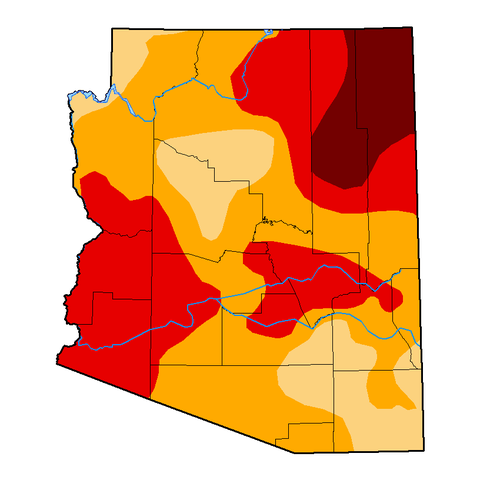
The past months have been the driest on record for many Northern areas of Arizona. Yavapai County, the area we call home, has received less than 30% of the normal rainfall this year. At one-point, homes in Prescott Valley were even asked to cut water usage, do laundry on scheduled days, and water their lawns and plants on others. The decrease in the rain doesn’t only affect homeowners. The drought has greatly impacted farmers, ranchers and can potentially affect our food supply.
A current map of Arizona showing the extreme drought situation we are currently in. More information on the drought can be found here: http://bit.ly/2QIXpKr
Our farm and ranch are greatly affected by the drought. Our water pumping costs have gone up drastically and our cattle just about ran out of grass to eat.
I remember a Sunday afternoon not too long ago when we went out to check cows. Everything looked dead and the grass was just about all eaten down. It is at this point, in a normal year, we would move the cattle to the next pasture – a pasture filled with tall grasses, new growth, and a filled stock tank from which the cattle could drink. Unfortunately, mother nature foiled our plans and that next pasture, the one we had planned to move cattle to since the beginning of the year, had no water. The stock tank was dry. And the pasture which was next in the rotation for our cattle to graze didn’t look any better.
Due to the drought and lack of grass and water, we were forced to sell 95% of our calf crop from the last 2 years, move a 10,000-gallon portable water storage tank and trough system to the pasture with no water, buy an Army water truck, and found ourselves hauling water day in and day out to the cattle.
The Army water truck driving job was passed from one member of the family to the next. At one point my dad and I were driving down the road and we saw the big truck driving past us, but there was no driver to be seen. We soon realized Kolten, my little brother, was driving the truck and was just short enough that we couldn’t see him over the steering wheel.
It was a daily team effort hauling water and hay, pushing cows into new areas with more feed, and finding the baby calves that were left behind, usually in the dense brush.
I never had much time to plan if I am needed to help move these calves and I somehow always seem to be wearing shorts when I got the call. My job (with the help of my cattle dog – Stella) is to run through the thick bush and push the calves out and back with the herd. Now picture me running through, under, and jumping over dense, pokey, dead brush with shorts on. For weeks my legs looked like I was attacked by a feral cat.
Hauling water, hay, and moving cattle was only a short-term solution to a long-term problem. As each day passed, we watched the grass quality deteriorate and eventually get close to depletion in the pasture the cattle were grazing. Each pasture lasted less time and just when we moved the cattle into a new one it was time to move them somewhere else again. We either needed to figure out a way to provide food and water to our cattle in a more sustainable fashion or we needed to sell them.
My dad, Gary, is a big proponent of using the latest technology and practices in his job as a farmer and a rancher. The challenges the drought brought to our business were no different. He used technology and modern practices to combat the effects the drought had on our cattle and on the bottom line. We implemented a grazing technique, very uncommon in Arizona, called intensive grazing.
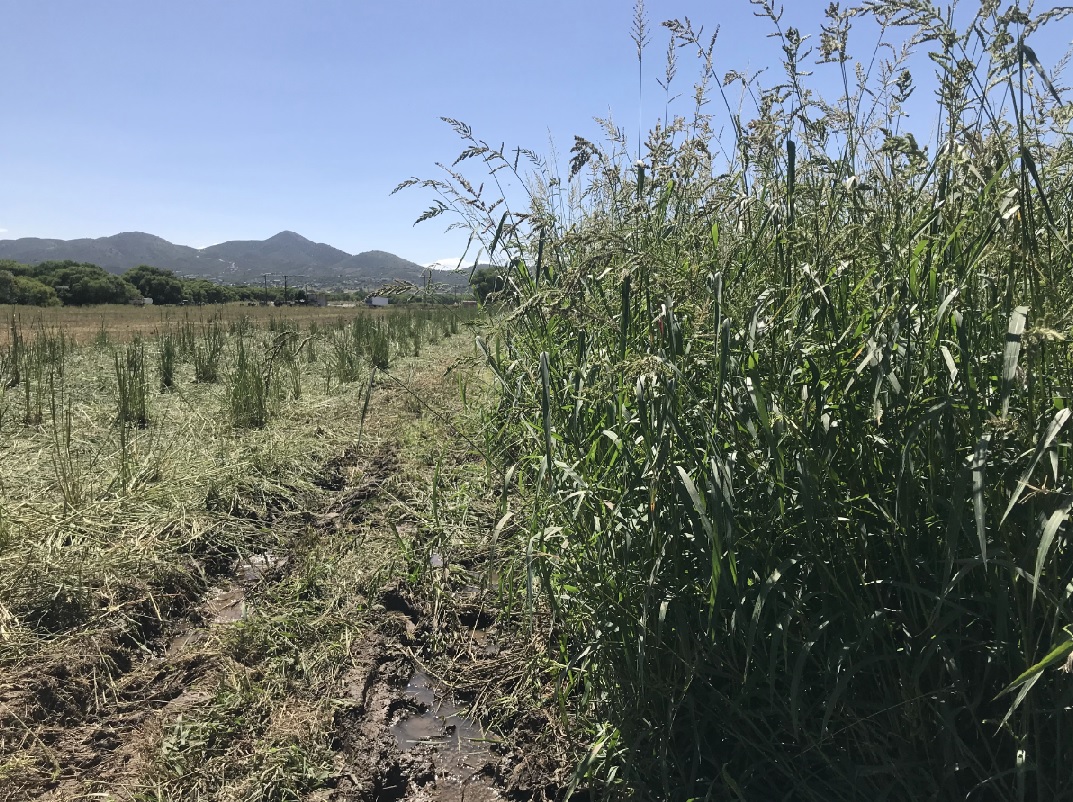
This photo shows how the pastures are separated and the drastic difference from the land which has been grazed and that which hasn’t.
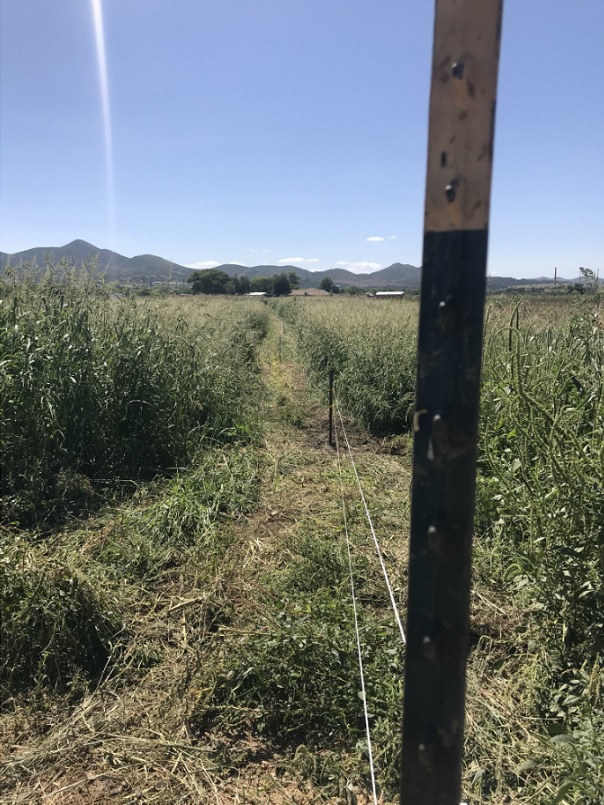
This practice puts cattle on small sections of land. The cattle eat all the forages in a short amount of time and then are moved to the next section. We decided to utilize the farmland we were going to grow hay on to implement this type of grazing. We began by planting and growing 30 acres of sorghum-sudangrass. We then, through trial and error, sectioned off one-acre areas by taking a small tractor diagonally across the field with the bucket of the tractor scraping the ground. The tractor pushes down the 15 feet tall grass to make room for a 2-strand temporary electric fence to be put up.
This simple two strand tempory fence allows for easy movement of our cattle from one area to the next.
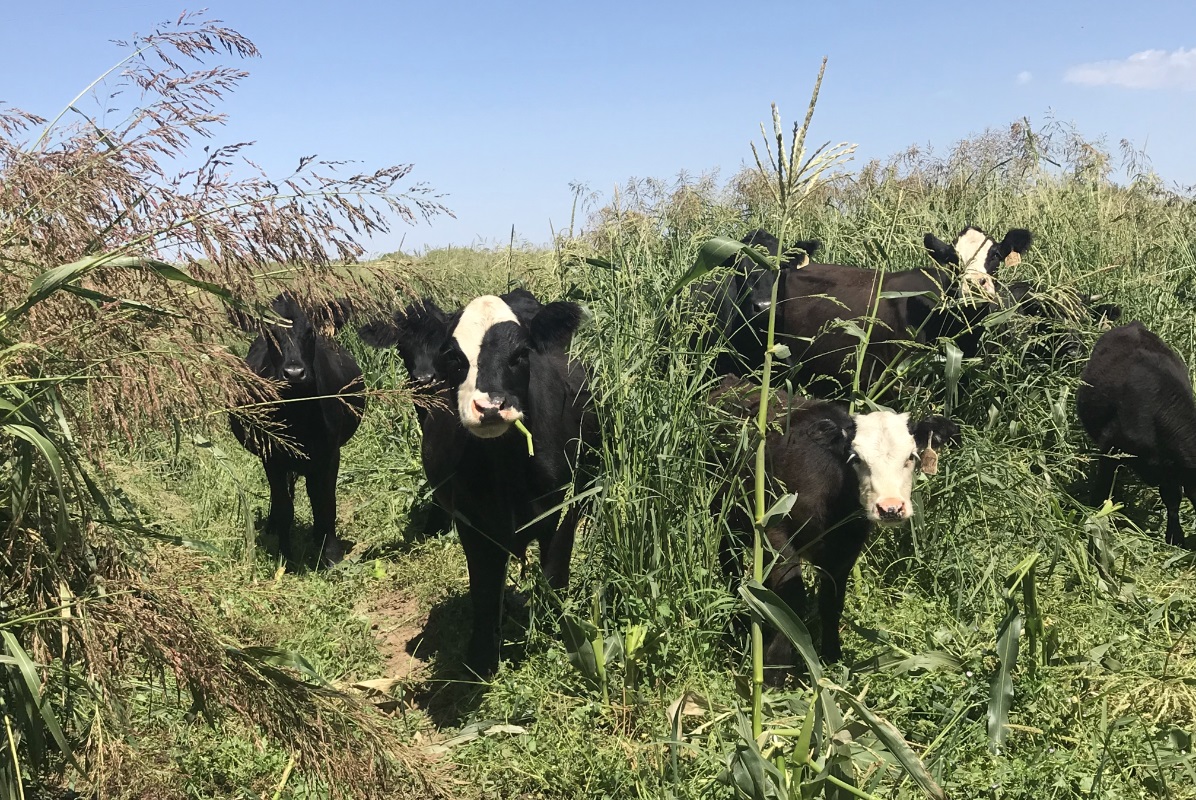
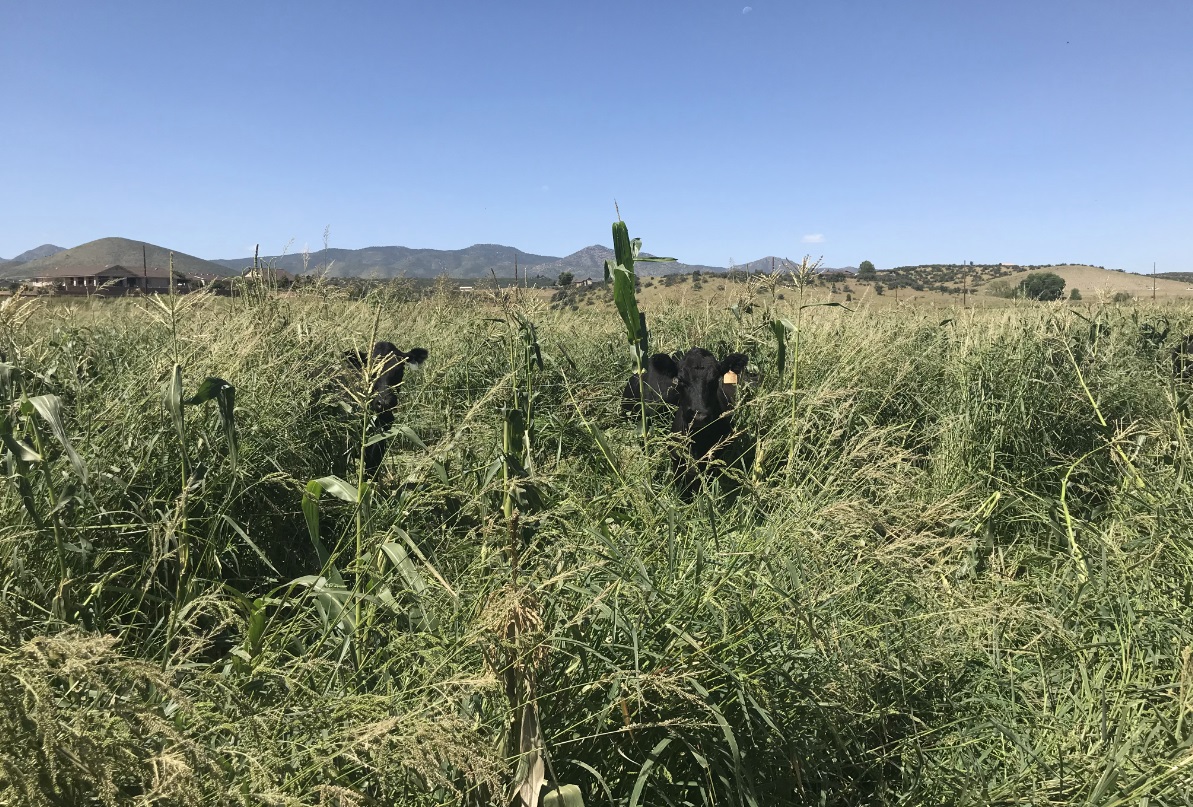
After this is done, it is time for the cattle to eat all this grass! 300 cattle are put on this one-acre section of farm-grown sorghum-sudangrass. The cattle enter the section and in one day the entire acre of 15-foot-tall grass is gone. It is like a buffet for cows! At this point, 15 minutes is taken to move the 2-strand electric fence to make a new one-acre section, the gate is opened, 300 cattle move into the next section, and the process starts all over again.
The cattle know the system now and wait by the gate as we move the fencing around. The whole herd of cattle runs into the next section and for a few hours disappear in the very tall grass. It is really is a site to see!
The cattle enjoying the benefits of intensive grazing.
I asked my dad about the benefits of this type of grazing for the farm and the cattle.
Why did you decide to do this type of grazing, besides the drought impact? We are able to grow a crop and not have to use labor, resources, or money to harvest this crop. If we had grown hay in these same fields we would have spent lots of resources cutting, baling, hauling, storing, and then ultimately feeding it to the same cattle that are eating it straight from the field now.
Is sorghum sudangrass good for the cattle? Sorghum-sudangrass is a protein-rich grass for the cattle to eat. It also adds nutrients back into the soil.
Will you only use this grazing practice on sorghum sudangrass? High-intensity grazing can be done in corn fields, sorghum-sudangrass fields, ditches, sorghum alfalfa blend fields, in native grass pastures, and pretty much everywhere else grasses and grains grow.
High-intensity grazing can be done in corn fields, sorghum-sudangrass fields, ditches. Pretty much anywhere grasses and grains grow.
How does this gazing affect the farmland? Intensive grazing not only combats the lack of range grasses my family’s ranch has but it also helps the farmland. Each crop grown in a field takes specific nutrients out of the field and puts specific nutrients back into the soil. Due to this, farmers rotate where they grow certain things (i.e. corn, pumpkin, grasses, etc.). The grass grown for the intensive grazing practice not only added a crop to our rotation but also adds more nutrients back into the soil. It also helps with the fertilization of our farmland. The higher density of cattle paired with short grazing periods allows for even manure distribution and an increase of nitrogen back on the land. The cattle act as a living fertilizing system!
How does this grazing affect the ranch lands? Higher intensity grazing for a shorter duration allows for a longer rest period for the plant to recover fully which promotes the regrowth and in turn, is beneficial for the environment and for the cattle.
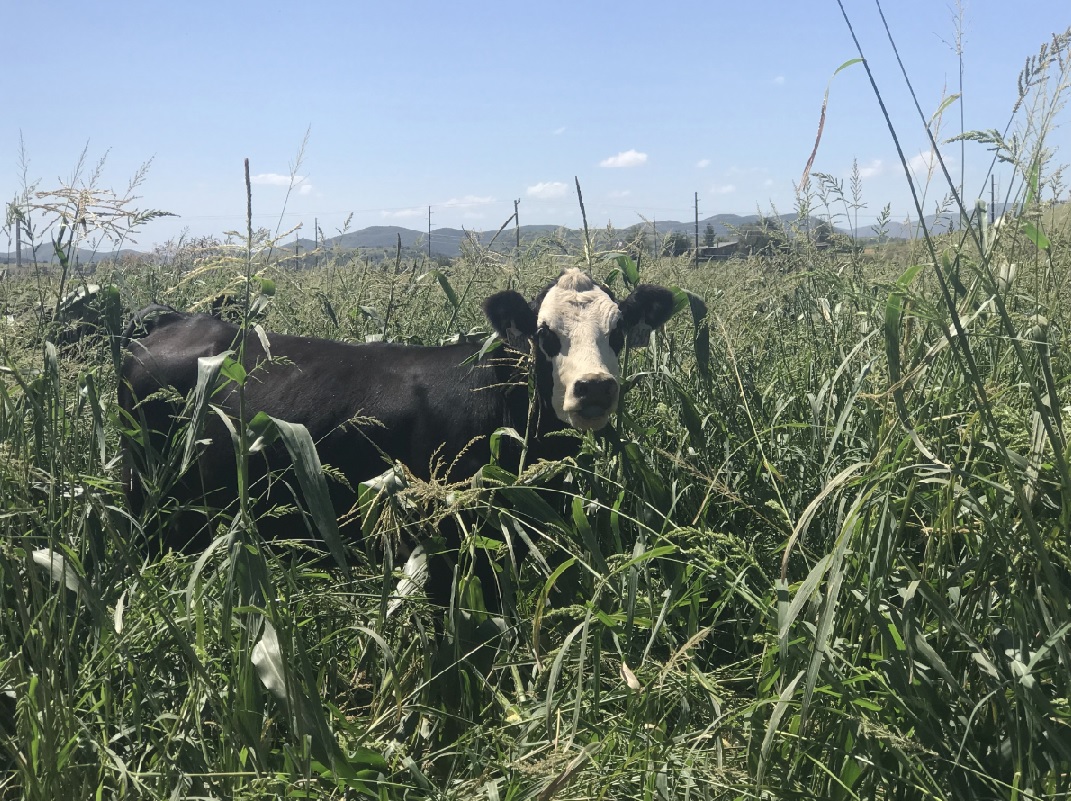
Sometimes the cattle are hard to see but they are there!
Is there anything negative about this type of grazing method? Anyone would see this type of grazing method as a different management system. This scares some people away from change because there is so much to learn and implement. Overall, the benefits of this program for the land and the animals outweigh the efforts that would need to be taken to implement the program.
Do you see yourself using this practice after the drought is over and the grasses have grown back on the ranch? Many ranches in the cattle belt use this type of grazing to increase their herd size which in turn positively affects their bottom line. This type of grazing is definitely something we will continue to work with and add to our long-term plan for our native range grazing and our crop grazing.
Intensive grazing saved our cattle herd and our ranch’s bottom line! This way of grazing and feeding our cattle has allowed us to keep ranching through the drought and continue our efforts to care for and protect our animals and the land we raise them on. This is a job that my family and I love very much, and we consider ourselves extremely fortunate to be able to raise cattle and care for the land.
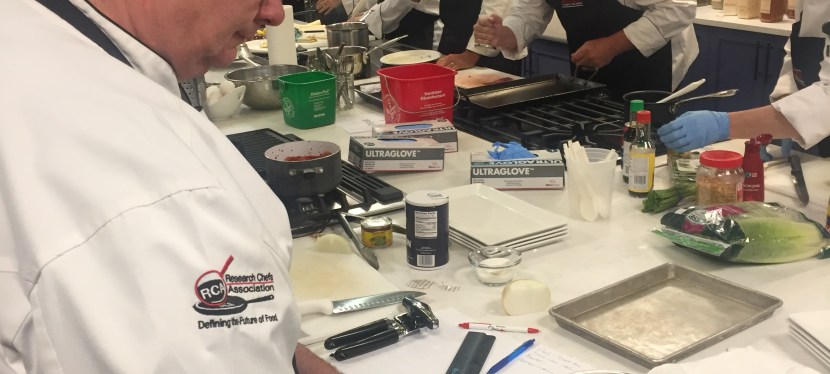
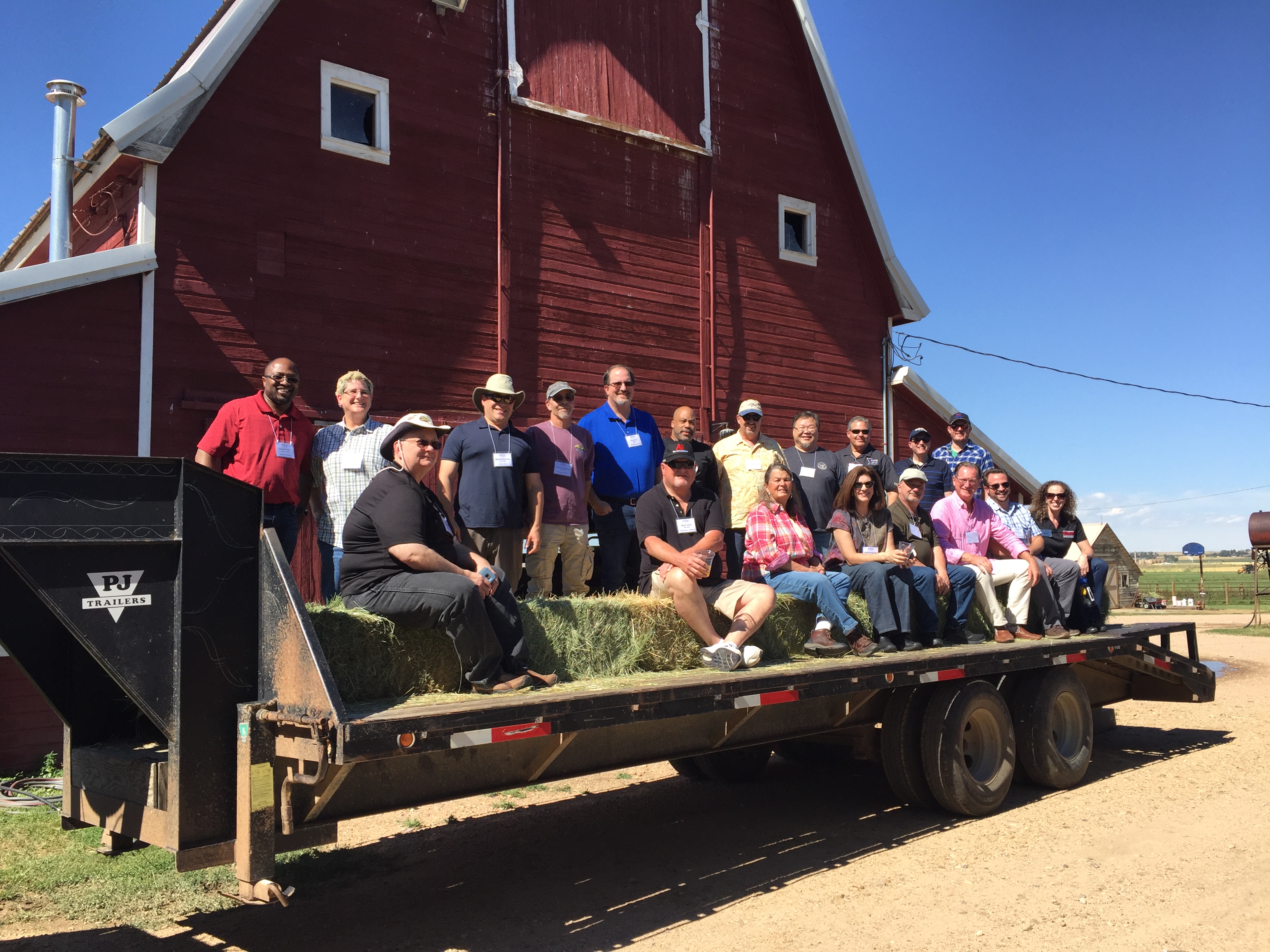
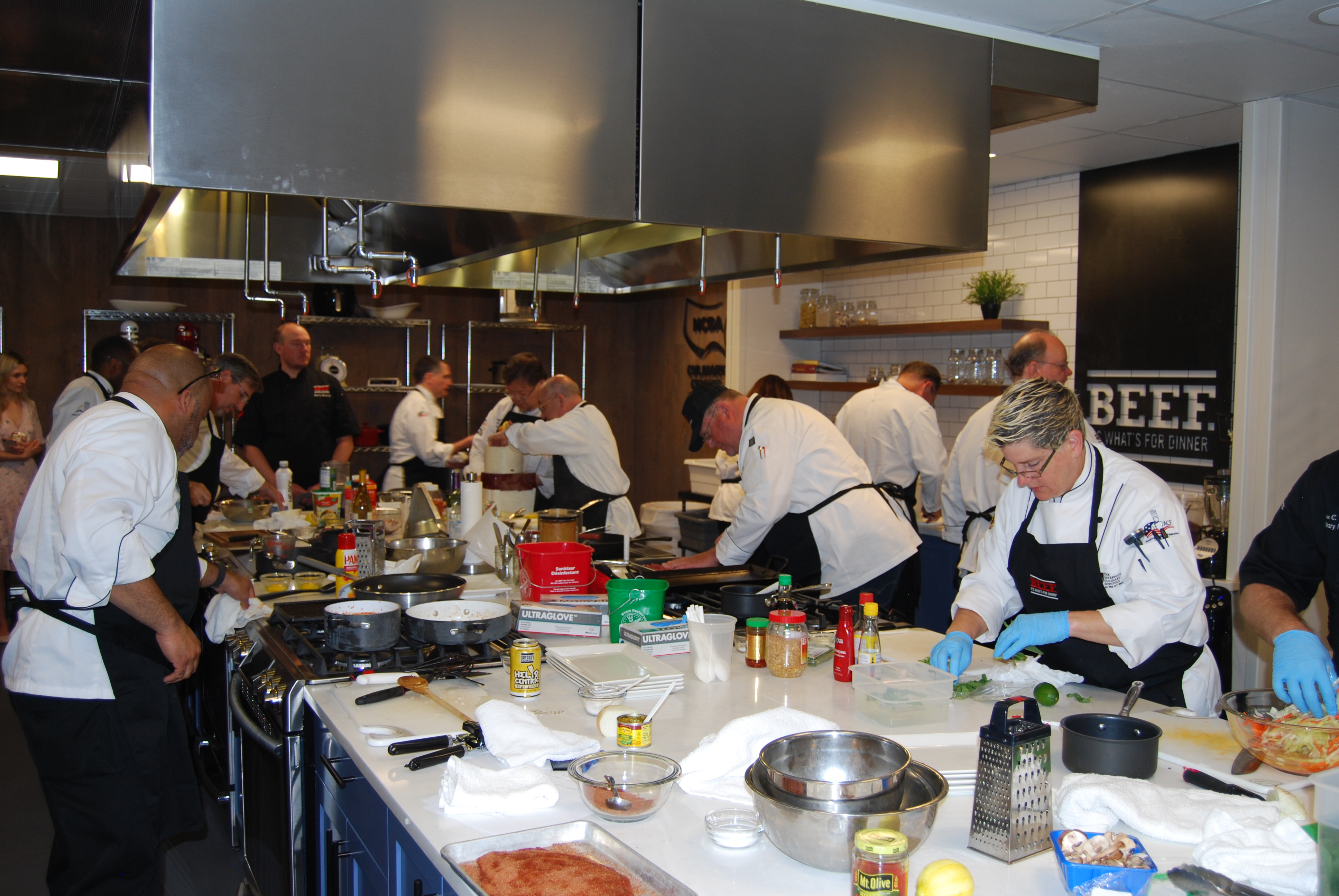
In June, sixteen culinary experts from across the country got a taste of the beef industry during the Pasture to Plate Beef Tour, sponsored by beef councils in California, Colorado, Arizona, Oklahoma and Texas. Invited to the checkoff-funded event were the culinary chairs responsible for the 28 International Culinary Schools at the Art Institutes across the country. The non-profit Art Institutes operate the largest system of culinary schools in the United States.
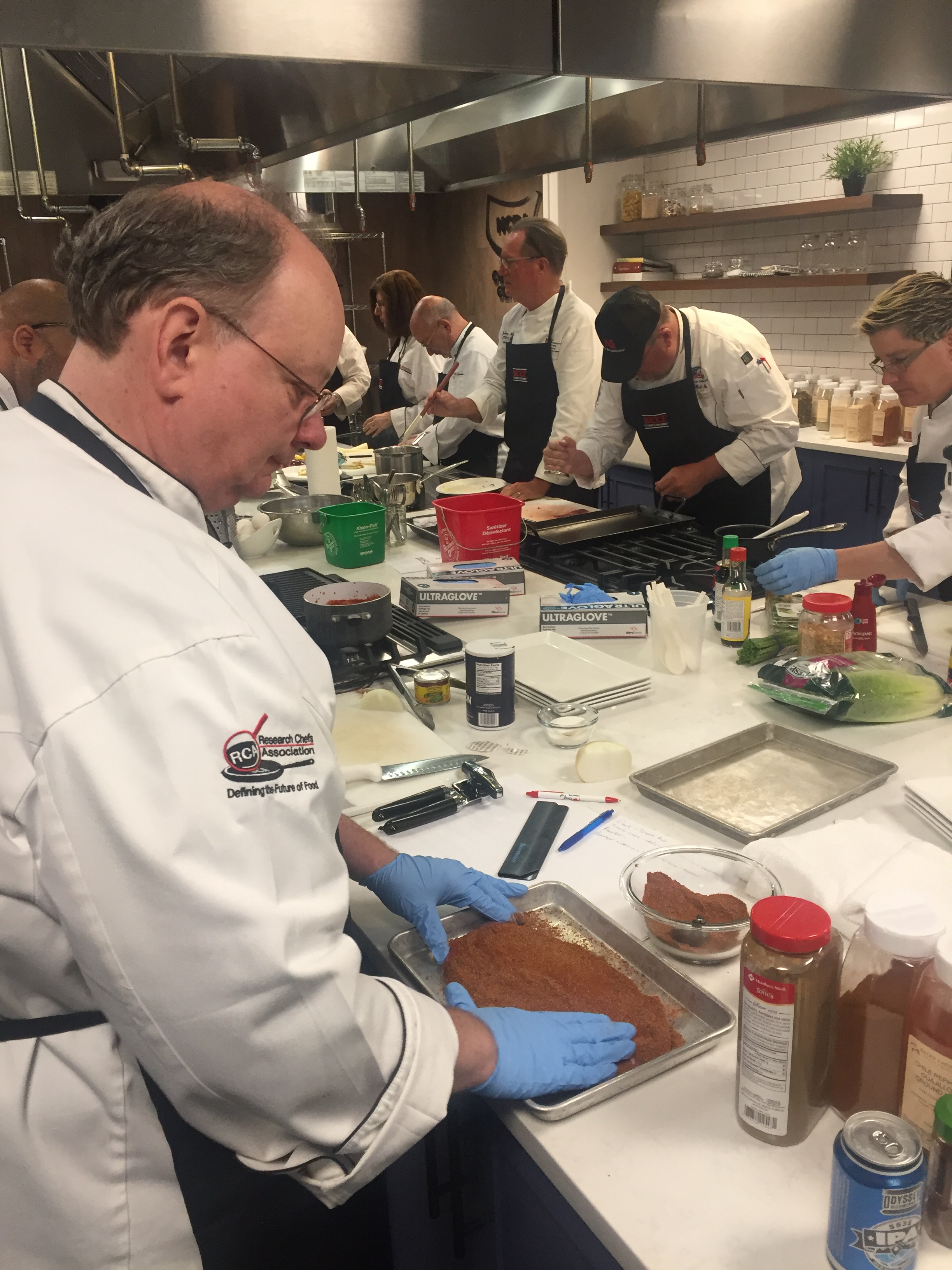
The tour featured a visit to a cow-calf ranch, feedlot and the JBS beef processing facility in northern Colorado, along with presentations from beef experts that helped the culinary leaders understand beef’s role in a sustainable food system, and ideas for incorporating sensory and beef umami exercises into their classrooms. Attendees also had an opportunity to participate in a beef cooking competition that demonstrated their culinary talents.The spark for development of this tour was generated last fall during the California Beef Council’s Beef Leadership Summit, according to the CBC’s Christie Van Egmond, director of retail and foodservice marketing, who helped organize the tour. At that time Dave Hendricksen, the national culinary director for the Art Institutes, expressed interest in giving the Institutes’ culinary leaders more backgrounding in the beef industry.
“This is a great way to connect the next generation of chefs with those who produce the food,” Hendricksen said. He said it was “critical” that information this type of event provides gets carried down from the participating culinary leaders to the students in culinary schools studying to be chefs or operation managers.Standing out to those attending the tour was the well-being of animals throughout the process, Hendricksen said. “The constant theme of this event was animal welfare and the care for the environment,” he said. “It was amazing.”
Arizona is home to the Arts Institute of Phoenix that includes a large culinary program. The Arizona Beef Council sponsored Chef Noel Ridsdale, culinary program chair, to attend the national tour. Here is Chef Noel’s feedback about his experience.
Chef Noel:
I want to express my deepest gratitude to the Arizona Beef Council for sponsorship of my attendance at the beef checkoff-funded Pasture to Plate Beef Tour for the Art Institutes (AI). This experience was very educational and collaborative in the ways that we were able to connect with the beef council professionals, as well as with each of the AI national directors individually.The tour started on a high note with a tour of a Colorado ranch, with some great knowledge shared by the breeders on how the cattle are treated, the process for the birthing and production management. The aspects of feed analysis and herd health were very interesting. We had dinner on the ranch, and the chef turned out to be an alum of AI, and his selection of items and ways to use beef was very good.
The trip to the packing plant was very interesting. I have been in Certified Angus Beef processing facilities before but never in a mainline producer. This was one of the highlights of the tour for me. I was very interested in the sanitation, inspection process and the zero waste production aspects of the tour. I cut meat myself, but my skills do not match the speed and accuracy of the cutters on the floor there. Watching the entire process enlightened me to the accuracy and technical aspects of production but at the same time still marveled at the human element that is still involved in the process.The science of the feedlot was interesting, and it was great to see that the industry is using green technology by utilizing byproducts of other industries, such as the beer industry. This use of their byproducts as opposed to just corn would add more flavor to the beef.
The presentations on the science of beef and the practical cooking aspects were very good, and our recipes will be featured on www.BeefItsWhatsForDinner.com soon. Overall, experiencing these aspects of beef production gave me additional knowledge that I am able to utilize in my classrooms.
Thank you very much for the opportunity!
Noel G. Ridsdale, MBA, CEC, CCA, AAC
Program Chair – AI Phoenix
Editor’s Note: The Art Institute of Phoenix is closing December 28, 2018 due to unfortunate circumstances. The Arizona Beef Council is glad to have met Chef Noel and we look forward to working with him in his next ventures.
Amber Morin was raised on her family’s cattle ranch in Southeastern, AZ. This experience sparked her interest and career path in natural resource management, agricultural policy, and agriculture communications. She has worked with the Arizona Cattle Growers’ Association, Arizona’s Natural Resource Conservation Districts, and continues to promote agriculture through her current position at the Arizona Farm Bureau. Whenever time permits, she is back at the ranch helping her family run their beef business, running trails in preparation for “fun runs,” or writing.
Here are her thoughts on the urban agriculture divide and why we are all more alike than different.
Agriculture has been taking place for the last 10,000 years, and yet, ranchers and farmers are now the minority? What the heck happened?
With agriculture, humans traded the harsh uncertainty of nomadic life for the somewhat more predictable and controllable agrarian lifestyle. An improvement, for sure. In exchange for their time and dedication to caring for plants and animals, humans were afforded more abundant food supplies, health, wealth, leisure, and the ability to trade for goods that could not be grown in their home climates. In short, agricultural abundance improved lives. It still does.
All of this happened because humans are smart, they experiment, they adapt, and find answers to questions, sometimes out of curiosity and most of the time out of necessity. Agriculture changed the way humans live and it wasn’t long before humans all over the world were adapting to agriculture methods on some level. This took place for 10,000 years, and yet, in a mere two centuries, the same curiosity and/or necessity also brought about another rapid change, the movement away from agrarian lifestyles to industrial lifestyles, and now to what pessimists call virtual lifestyles and optimists call entrepreneurial lifestyles.
To break the rapid change down for the readers who love numbers, in 1790, about 90% of the American workforce was related to agriculture. In 1890, that number had dropped to about 43%. In 1990 about 2.6% of the population’s workforce was related to agriculture. Now that number has dropped to about 2%. As people moved out of rural America to pursue an improved lifestyle in urban areas, agricultural advancements have made it possible for 2% of the population to feed the masses.
Why is this important? While about 2% of the population clothes and feeds us, we can do other things with our lives and pursue other careers, and not worry about where our next meal is going to come from. If it were not for ranchers and farmers, most of us would be struggling like the unfortunate souls on the show Naked and Afraid! Although I must admit, there are some very tough people that participate! But, would anyone really want to live that way? Or, go hungry because their backyard garden failed due to a pest infestation? I know what my answer is: an emphatic, no!
Thanks to the ingenuity of agriculturalists, technological advancements and improvements in the industry, and the dedication and care that agriculturalists have for their businesses, we live great lives without a lot of worries. The few feed the many. And, it takes an insurmountable amount of dedication to thrive in the agricultural industry when things like global markets, local markets, weather, genetics, natural resources, financial constraints, and the unpredictability of caring for crops and livestock are just a few of the challenges. Being an agriculturalist requires a high degree of intelligence, resilience, and faith in oneself, in the future, and in the process.
Mr. Morin showing off some serious dedication which is required for success in the agriculture field.
My own dad knew this when he said to both my sister and me, “You can always come back, but you can’t always leave.” This was a gentle but very blatant way of telling us, this path takes grit and serious dedication, so go and experience life before you make the commitment to come back and manage the ranch. And, when you come back, bring what you have learned to make it better. Like all parents, ours wanted the best for my sister and me. They encouraged us to grow, learn, and improve.
So, when I asked the question, what the heck happened? How did Americans get so far removed from agriculture? It’s simple and it’s practical. Like the nomadic lifestyle, the agrarian lifestyle was not easy. It is still not easy, so Americans changed, and the industrial revolution which made promises of wealth and lifestyle improvements spurred that change. It was the anticipation of an improved future that moved most people out of rural America and into urban centers. At the end of the day, no one can be blamed for trying to improve one’s life or that of their loved ones.
Today’s “entrepreneurial revolution” coined by Seth Godin promises an even better future for Americans, as the ability to market goods, build wealth, and have more control of our lives is at our fingertips via smartphones.
The Morin Family – Working for a better future!
This same optimism has spurred the technological advancements and environmental improvements in agriculture. We want to improve, be more precise, waste less and have more controlled data-driven outcomes. In the case of food production, doing our best is a necessity because we are not just feeding our families, and yours, with less labor and inputs, we are also feeding the world. Doing less than our best, with so many people who trust us for a safe and reliable food supply, is simply not an option.
Just as the public has always been looking to improve, agriculturalists have too!
The reality is, we are all working toward the same goal – to do our best!























 The spark for development of this tour was generated last fall during the California Beef Council’s Beef Leadership Summit, according to the CBC’s Christie Van Egmond, director of retail and foodservice marketing, who helped organize the tour. At that time Dave Hendricksen, the national culinary director for the Art Institutes, expressed interest in giving the Institutes’ culinary leaders more backgrounding in the beef industry.
 Standing out to those attending the tour was the well-being of animals throughout the process, Hendricksen said. “The constant theme of this event was animal welfare and the care for the environment,” he said. “It was amazing.”
 The tour started on a high note with a tour of a Colorado ranch, with some great knowledge shared by the breeders on how the cattle are treated, the process for the birthing and production management. The aspects of feed analysis and herd health were very interesting. We had dinner on the ranch, and the chef turned out to be an alum of AI, and his selection of items and ways to use beef was very good.
 The science of the feedlot was interesting, and it was great to see that the industry is using green technology by utilizing byproducts of other industries, such as the beer industry. This use of their byproducts as opposed to just corn would add more flavor to the beef.



 Arizona Beef Blog