


The foodservice industry, an important sector of the beef community, has been drastically affected by COVID-19. Join Jessica Obie, a center of plate specialist with US Foods®, to learn about the challenges and how restaurateurs have pivoted to succeed.
With 15 years of industry experience, Jessica’s career knowledge includes menu creation, food testing, cooking, management, and sales. Jessica is competent in the high demands of the kitchen and builds long-term, productive, and mutually beneficial relationships with customers. In her role, she provides profitable beef, seafood, poultry, and pork solutions for customers. Jessica received a Master of Brand Advantages from Certified Angus Beef.
In 2013, after working 13 years within the confines of restaurant walls, I made the bold decision to go into food sales. Naturally, being terrified about this uncertain, the sky is the limit, fully commission based so-you-better-hustle decision, I consulted my chef mentor (the one who used to make me stutter with fear). Not only did she support the idea of testing a new path, but she also offered the comforting words “you can always come back to the kitchen.”
In the years since, as I rode the roller coaster of success with the sales industry, her words held true and I was always able to rely on my experience in the kitchen to bridge commission paydays, while chasing dreams and keeping my culinary skills sharp.
That was until early spring of 2020. I watched in alarm the shutdown and futuristic uncertainty of the industry that had helped raise me. My fellow restaurant brethren/work families current and past were suddenly out of work, many of them never knowing another path than serving or cooking. For some, their future is still uncertain as they wait for their restaurants/hotels to re-open.
Unfortunately, ‘the new-norm’ may continue to prevent these cooks/servers/chefs/owners from going back to life as they knew it. Those who sat waiting on their heels, thinking life would return to normal will be left behind. But…those who saw this slow down/shut down as a reset button, took the time to stop, evaluate themselves and their business, and those that adapted to the situation, will persevere.

Social media presence, online ordering and conscientious dining have gained popularity over the last decade, but some still refused to embrace it. As in-room dining closed and “to-go” became the only option, those who had already embraced or even dipped their toes in the pond of these concepts could recover quicker. Those who embraced social media and kept their customers in the loop with updated hours, sanitation methods and ease of ordering are feeling the effect of COVID-19 less than those who didn’t and aren’t. Some are even seeing year over year increases. Now more than ever, social media is playing a vital part in the success of businesses. Adaptability, perseverance and reliance on outside resources are more important than ever. No one can survive this on their own.
As millennials were finally forced to stay at home and, even worse, cook for themselves, they finally realized they could do it. With so many people now working from home, more families have time to cook their own meals and not just grab something on the way home. What does this mean for our restaurants who want to successfully emerge from the other side of this? Their food must be more original, more consistent, and healthier than what I can provide for myself. If they don’t provide a reason why someone should leave their house or open their pandemic-depleted wallet, consumers will order in their groceries and stay put. As more people have time to “Google” nutrition facts, humane practices, sustainability policies, etc., they will only shop/buy from stores and restaurants who share their beliefs.

Originally ‘gifting’ toilette paper with orders of $50 or more was popular. Now 6 months later, DIY meal kits, speed scratch and tamper evident seals/packaging is most important. With less and less people dining in-house, ghost kitchens (renting space in an industrial kitchen) and multi-concept spaces are popping up and they are all focusing on to-go. Using smarter products and packaging that hold integrity from restaurant to home has become vital. US Foods® offers restaurant operators market and inventory analysis to determine the most financially responsible ‘new’ concepts possible from their current production line.
In the end, I guess Chef Cheryl (previously mentioned fear-instilling mentor) was correct. I did come back to the kitchen, though not as a paid employee. I was fortunate enough to use these months as a reset and get back to my culinary roots. I, as a culinarian, remembered the joy in cooking and used that to spend time with family, neighbors and friends. I, as a millennial, will only order out if it is something fun, exciting or healthier than I can create. And, I, working from home, have more time to research, try and grow my own food.
We are all in this together, but we all need to learn to adapt and grow.
As an additional educational resource to their customers during these changing times, US Foods has provided weekly webinars (link) to help provide on-going information and learning opportunities to the restaurant community.
















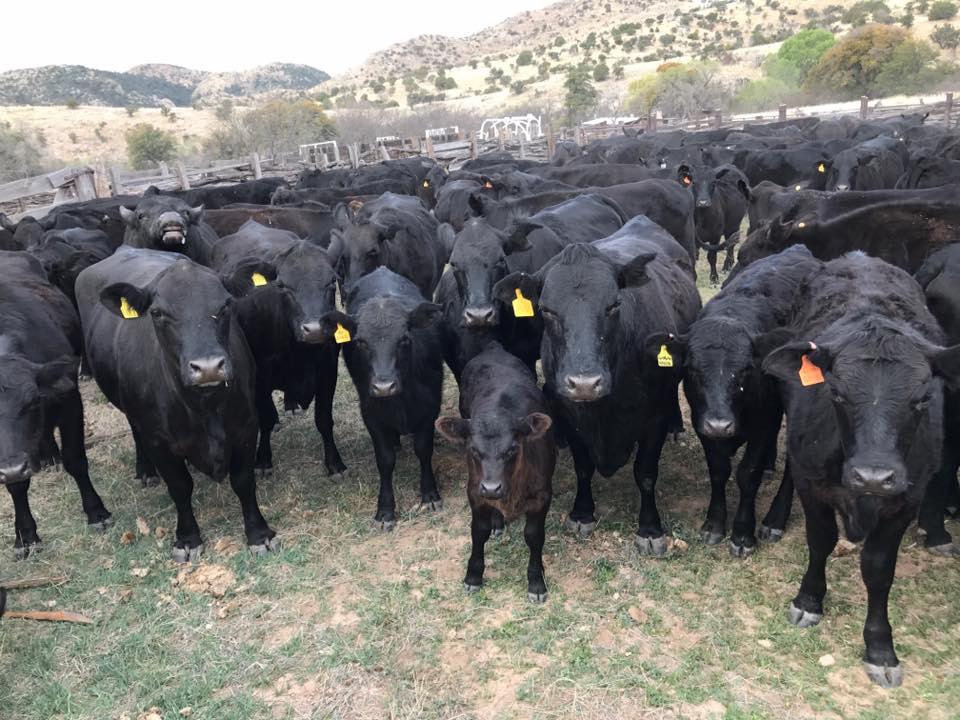








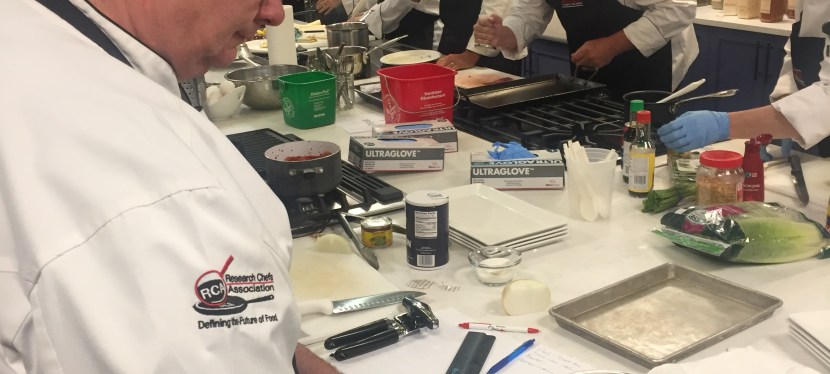
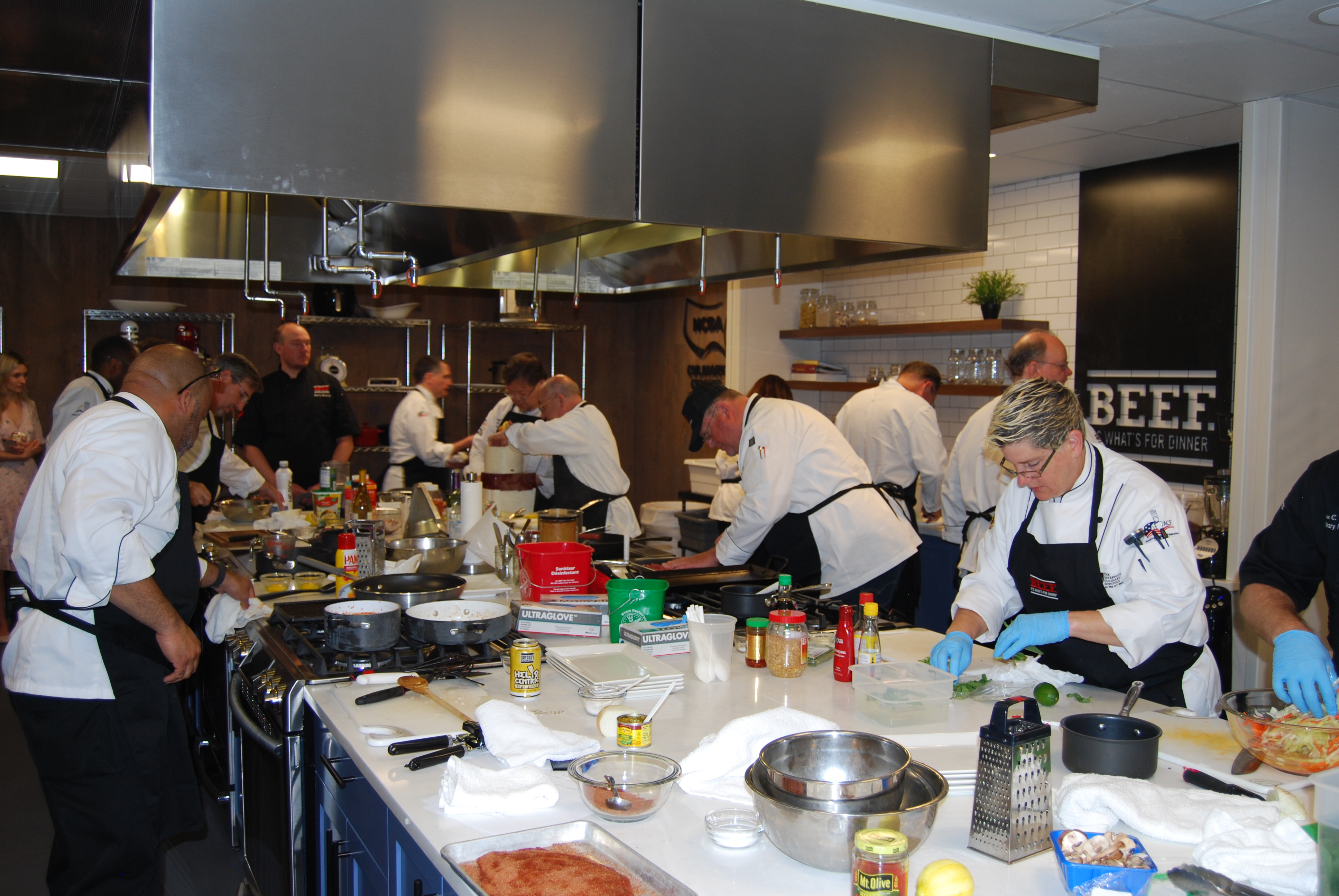
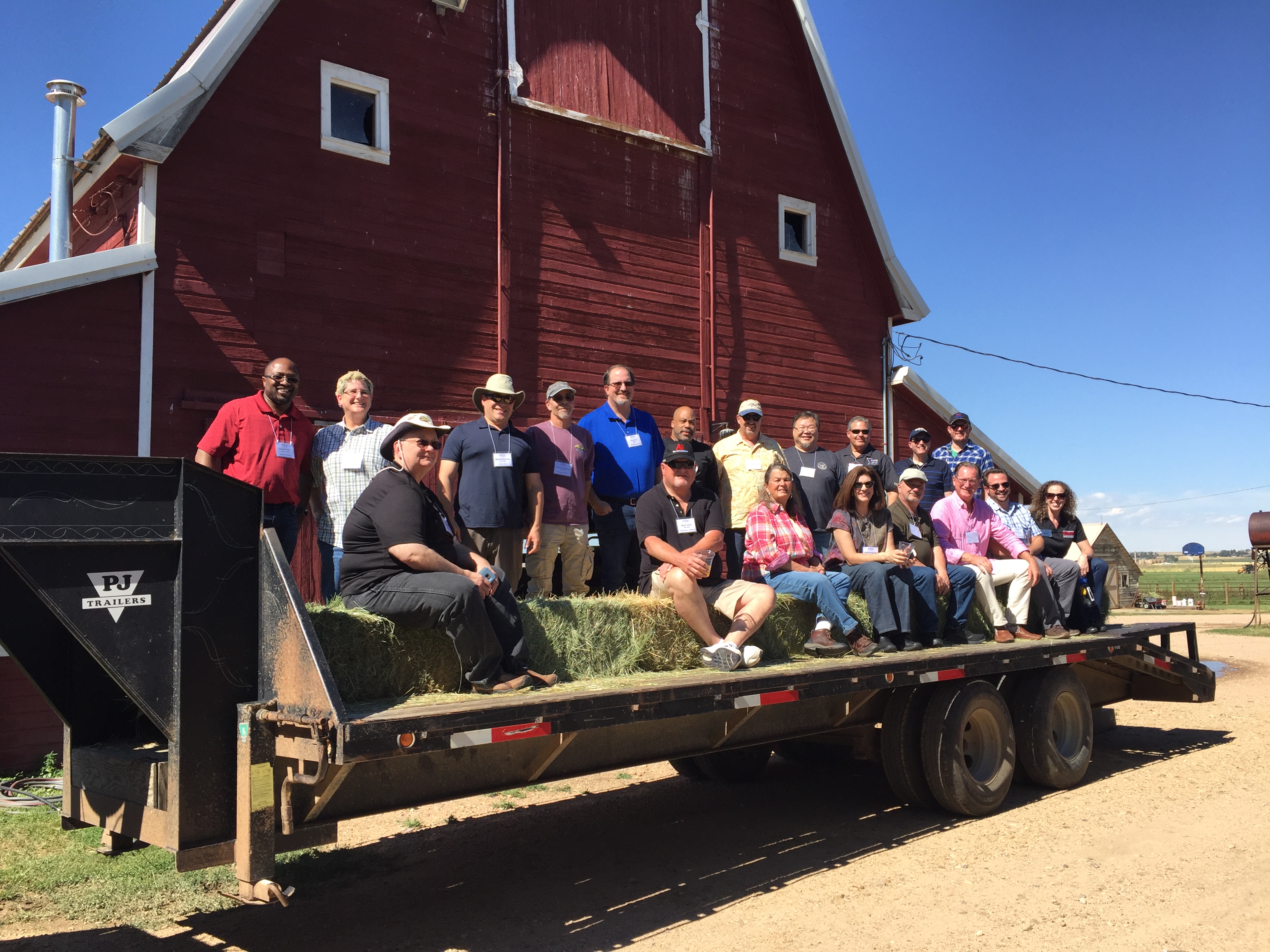 The spark for development of this tour was generated last fall during the California Beef Council’s Beef Leadership Summit, according to the CBC’s Christie Van Egmond, director of retail and foodservice marketing, who helped organize the tour. At that time Dave Hendricksen, the national culinary director for the Art Institutes, expressed interest in giving the Institutes’ culinary leaders more backgrounding in the beef industry.
 Standing out to those attending the tour was the well-being of animals throughout the process, Hendricksen said. “The constant theme of this event was animal welfare and the care for the environment,” he said. “It was amazing.”
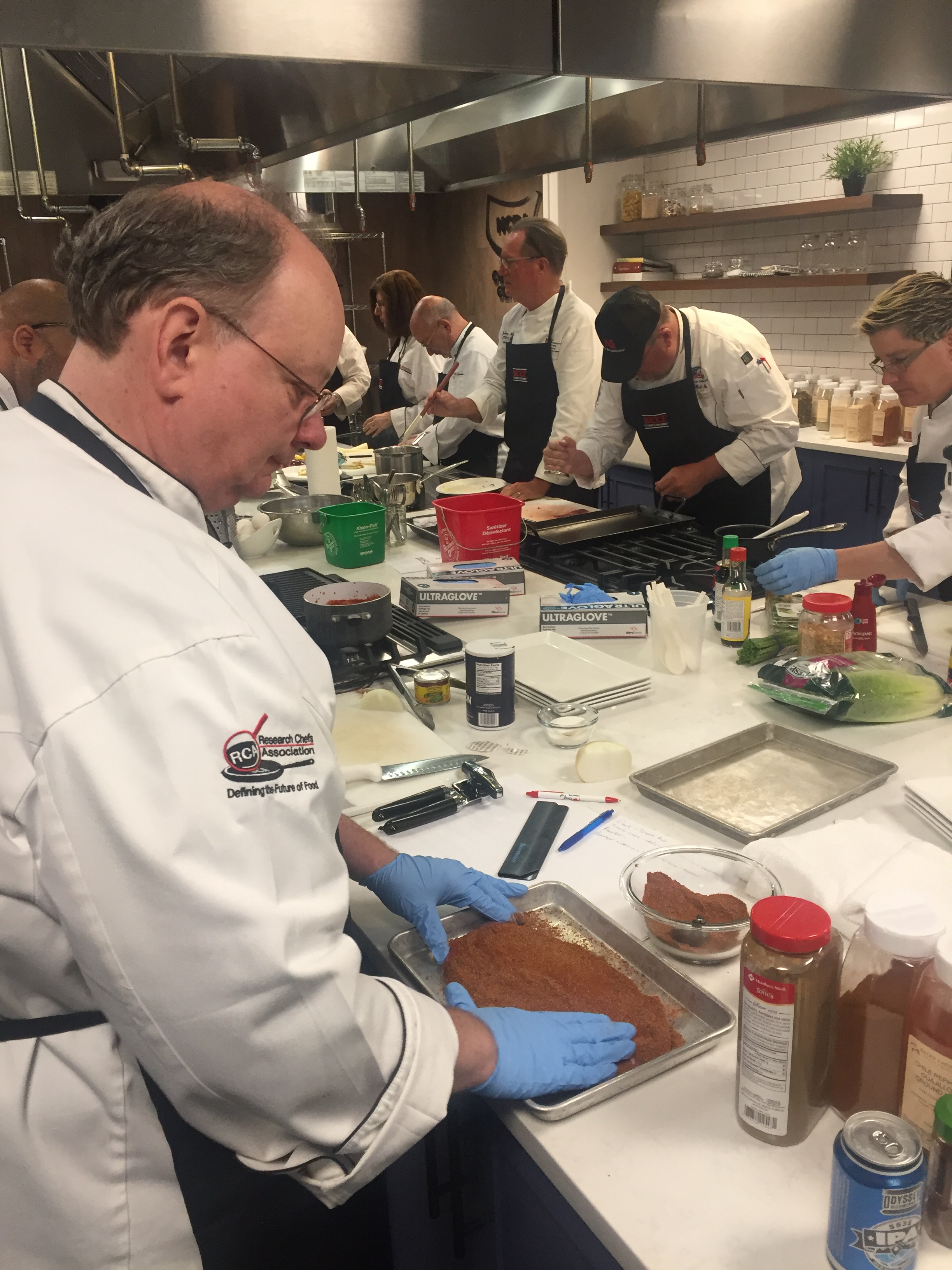 The tour started on a high note with a tour of a Colorado ranch, with some great knowledge shared by the breeders on how the cattle are treated, the process for the birthing and production management. The aspects of feed analysis and herd health were very interesting. We had dinner on the ranch, and the chef turned out to be an alum of AI, and his selection of items and ways to use beef was very good.
 The science of the feedlot was interesting, and it was great to see that the industry is using green technology by utilizing byproducts of other industries, such as the beer industry. This use of their byproducts as opposed to just corn would add more flavor to the beef.


 Enjoy, friends!
 Arizona Beef Blog