Days of celebration with loved ones are upon us. While we enjoy the closeness of family and friends, entertaining and keeping those close people happy can pose challenging at times. So while your roast is in the oven cooking away, whip up a few appetizers to keep the hangry people happy and cheerful. We’ve listed five of our favorite appetizers for your easy access.
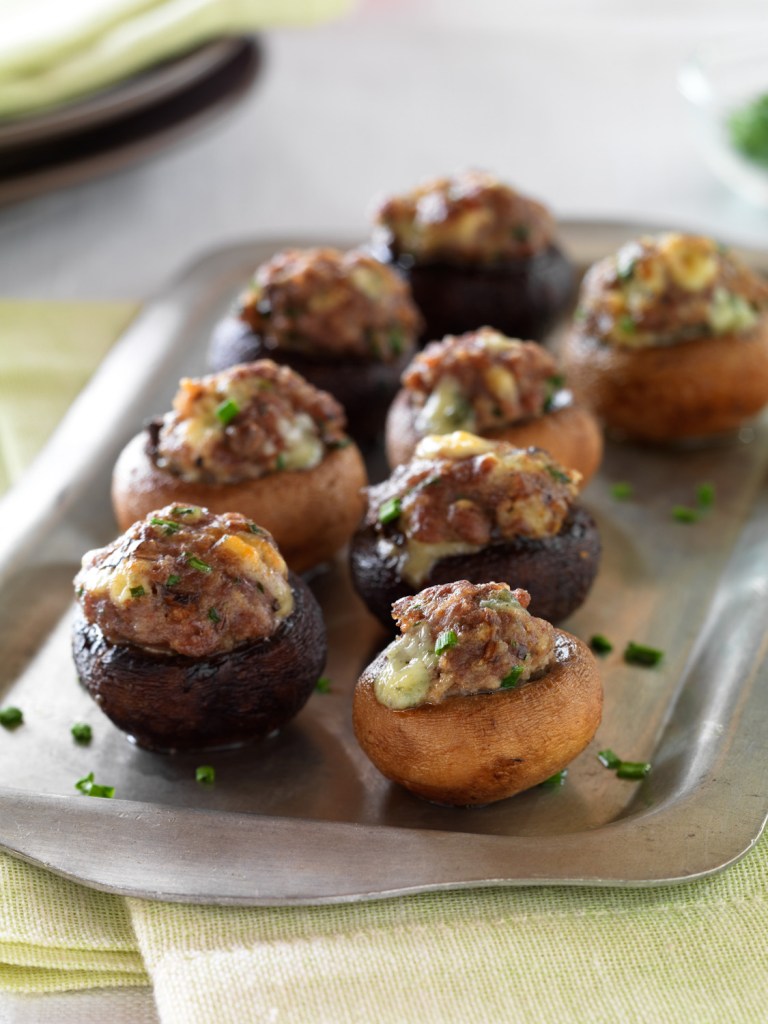
These bad boys tell your guests you slaved over the oven to make them, but you didn’t! Let them be fooled while they enjoy these little delights before dinner. Recipe from Beef. It’s What’s for Dinner.
It’s cheesy. It’s carby. And it’s a hands-on experience. What more could you want out of a delicious appetizer?! Thanks to our friends over at I Wash… You Dry for this delicious idea!
Something easy, but equally delicious and easy to snack on. This will keep anyone from asking, “Is dinner ready yet?” Recipe by the talented Kristine in between.
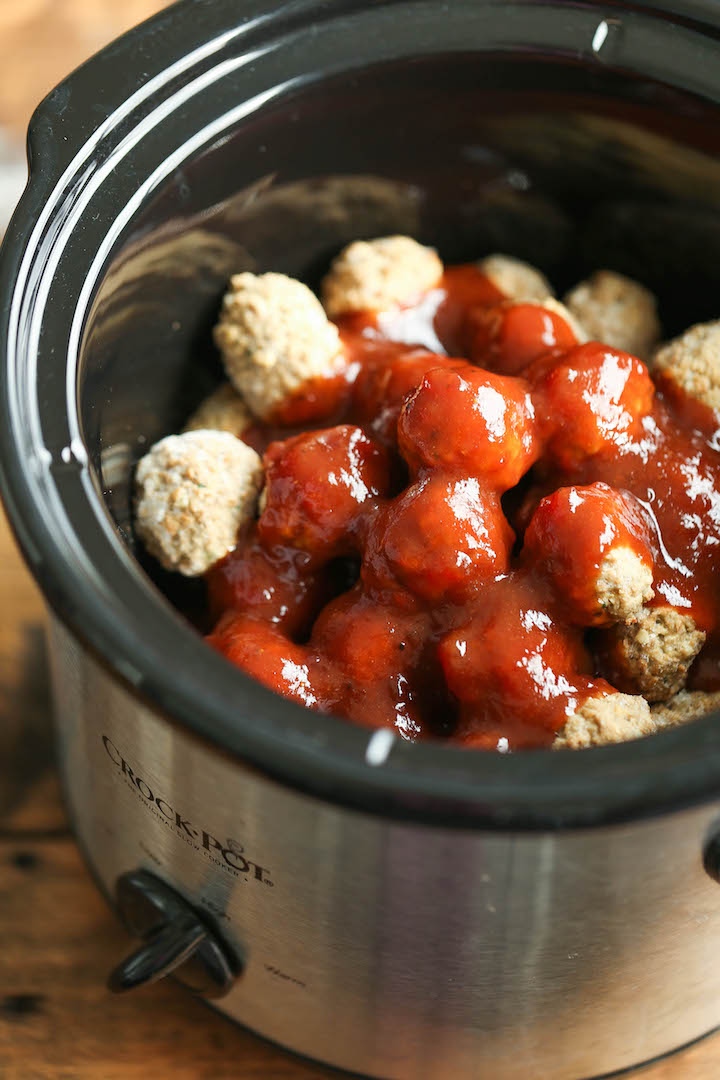
If you want to be guaranteed you are cooking with a good recipe, then you grab one from Damn Delicious. She doesn’t disappoint with these Cocktail Meatballs!
Though they may be little, they are mighty! Guests should be encouraged to have more than one and you can always offer up the secret of their nutrition content at the same time. These little guys are only 50 calories a piece and chocked full of zinc, iron, and protein! Recipe from Beef. It’s What’s for Dinner.
From everyone here at the Arizona Beef office, we want to wish everyone a great holiday season. And we sincerely hope, we’ve helped to take some stress off your plate with this list of goodies!
The buzz of tour day was in the air this past spring at the University of Arizona’s Maricopa Extension. The buzzing people were 24 culinary students and Chef Chris Wolf, who serves as their instructor at the Arizona Culinary Institute. “At the Arizona Culinary Institute we cover the full spectrum of culinary education, including meat fabrication, so our students are definitely being exposed to various beef, pork, lamb, and poultry cuts already during their time here at school. Our students are generally very excited to broaden their culinary education in any way possible, and the interest in attending this event was amazing. I actually had a WAITING LIST of students to come on the tour. They all had a great time,” reported Chef Wolf when asked about the Institute and their interest in the tour. These students all voluntarily signed up to spend a day learning about the beef lifecycle from a firsthand perspective.
As the day unfolded, with an introduction and high-level overview of the entire beef lifecycle from staff, it was clear there were striking similarities between these students and Arizona beef farmers and ranchers. Both groups are incredibly passionate about what they do. Common ground was easily found after that realization.
The group toured the JBS – Tolleson plant with Bill Munns, Director of Marketing and Product Management, which gave the students a much better understanding of how a large beef plant works and the high level of safety and science which goes into it. A visit with Paul Heiden at Heiden Land and Cattle was next, providing a better look at the live side of the producing beef. Important discussions continued on many subjects including animal handling and care, water issues, and the controversial topics of antibiotic and growth-promoting technologies.
“I think the value of this tour is obvious: It gives the average person a REAL opportunity to see where their meat is coming from. It’s not a-he said/she said issue, or what they saw online, or what they read somewhere…it’s an actual real-life chance to see the industry in action so that they are educated and can make their own decisions about how they feel about the meat industry,” shared Chef Wolf. “There is no question that this is a worthwhile use of time. The entire tour from start to finish was well managed, educational, and exceeded expectations. I feel that EVERYONE left the tour knowing more than when they began.”
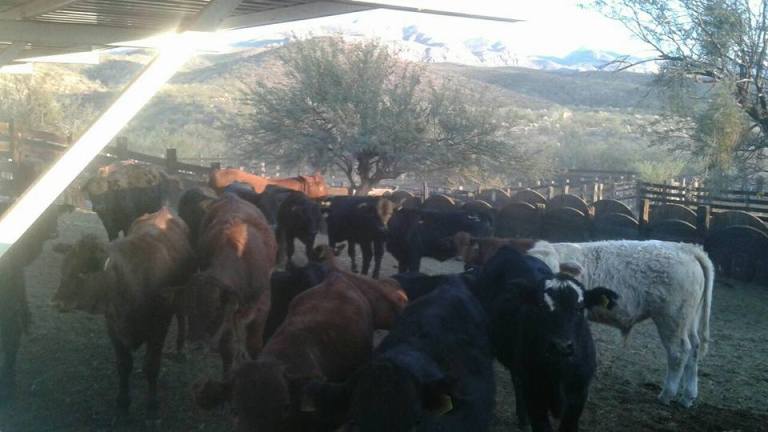
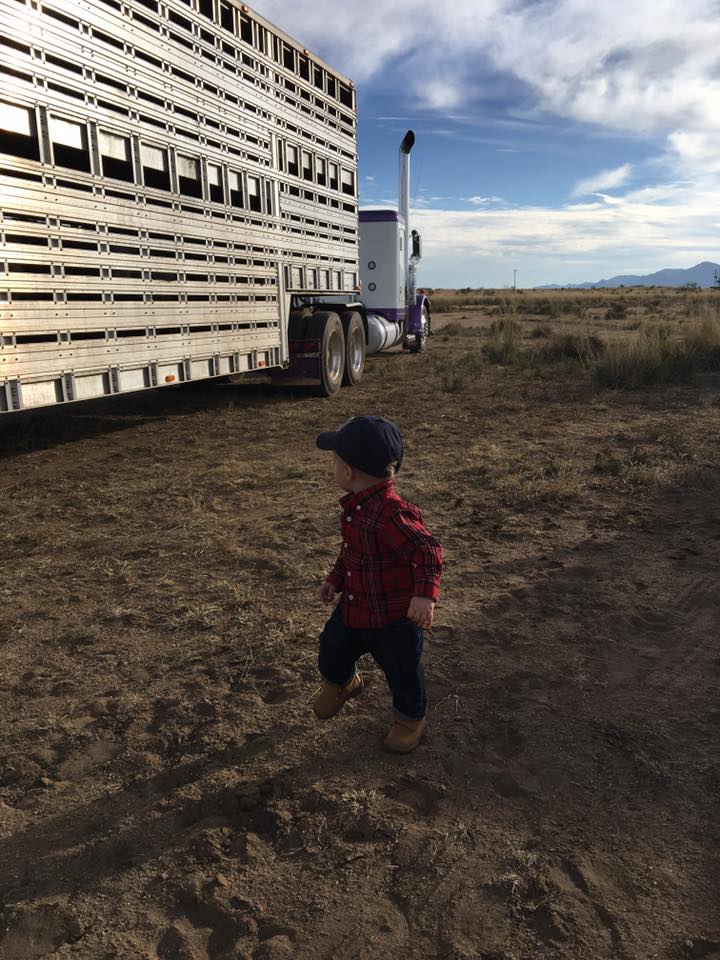
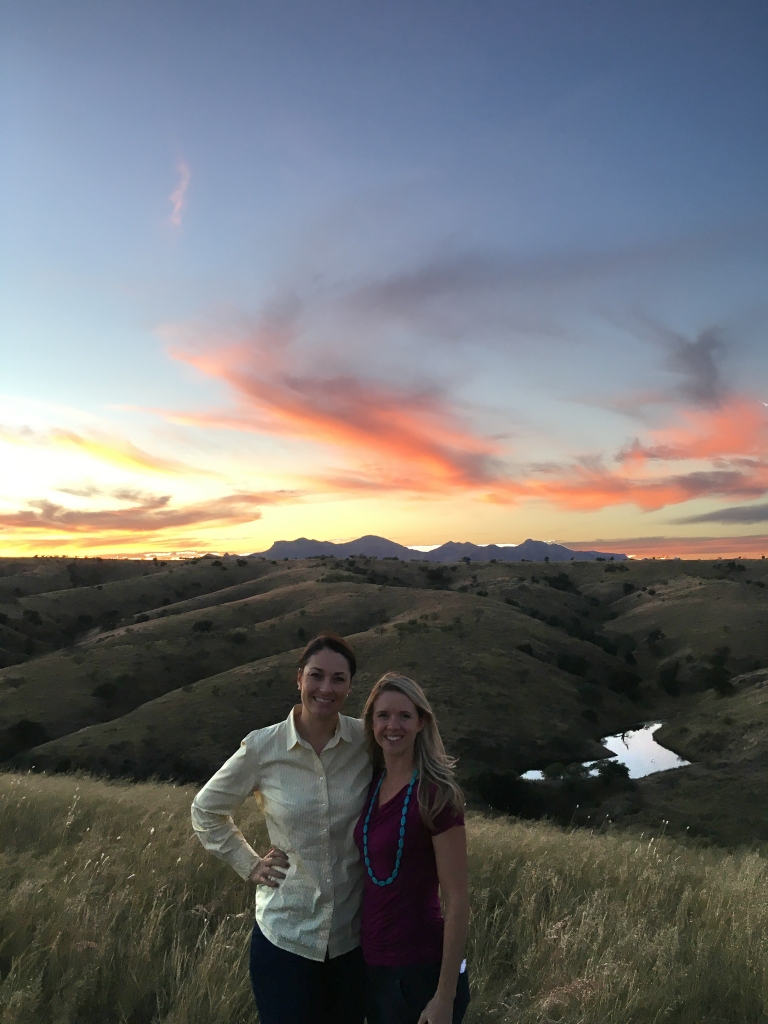
While ranching is hard work all year round, often times the most intensive work is done in the fall or spring season here in Arizona. This is the time of year when ranchers wean calves from cows, meaning calves are old enough to eat grass and forage and no longer need nutrients from the cow’s milk. At the same time, other important work can be done, like vaccinating cows to ensure their health into the future as well as vaccinating calves for the same purpose. This also tends to be a time when family and friends get together to work hard and enjoy each others company. Please enjoy this collection of photos from Arizona ranch families and all the hard work they’ve put in this fall.
A special thank you to the the McGibbon, Homack, Garcia, and Lyman families for sharing these beautiful photos with us from your ranches!
Cowboys and cowgirls, alike, spend long days outside in the elements, working hard to raise healthy cattle. But we can’t do this job alone. It takes a whole slew of tools to ensure we get the job done correctly.
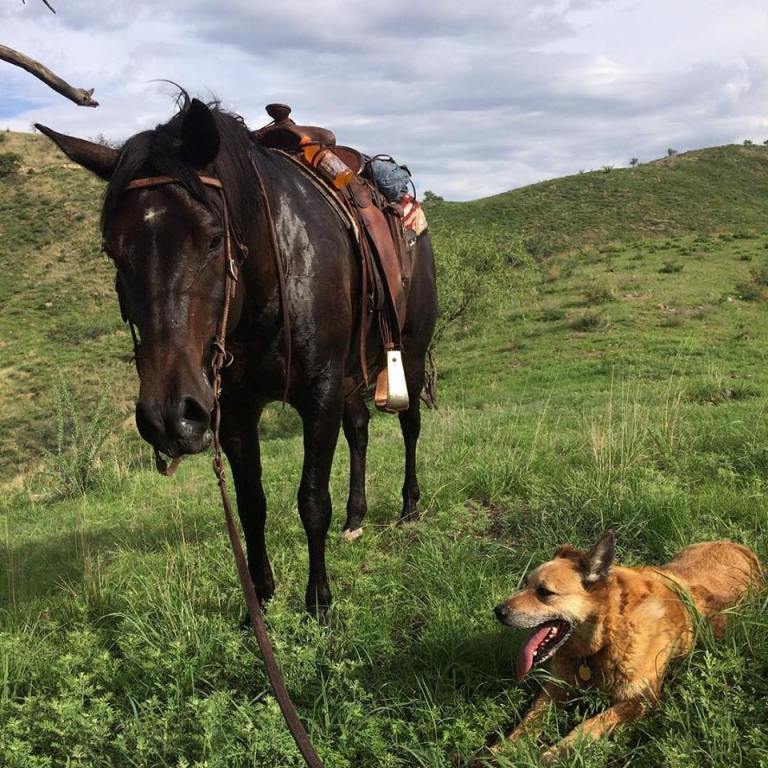
Horse
One of the most important tools is our horse. Our horse is our partner, mobile office, and catch-all for every other tool we’ll need. A horse gets us around the ranch more efficiently than if we were to go on foot and is often the brawn behind the brain when calves need to be doctored and there aren’t cattle handling setup for miles around.
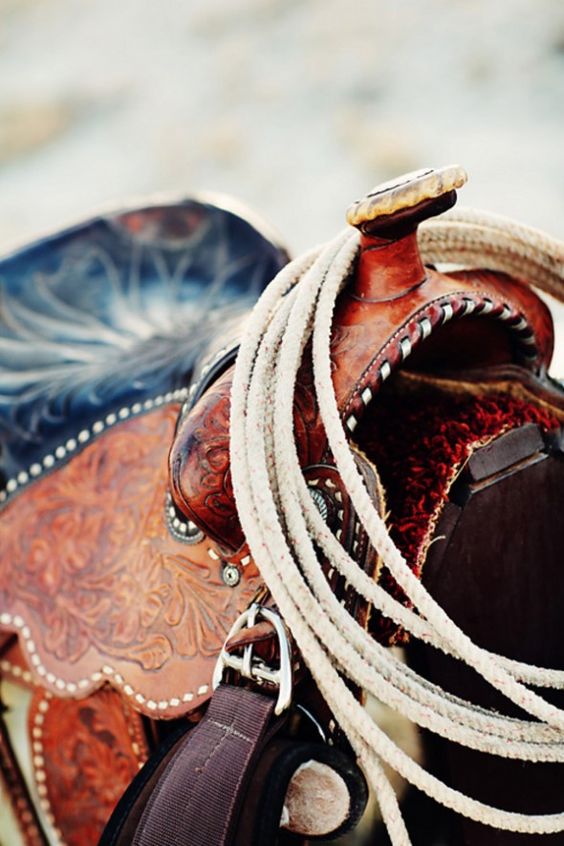
Saddle
The saddle is where we sit while riding our horse. It provides much-needed comfort for both horse and rider and is also a handy place to tie on ropes, jackets, bedrolls and other tools needed through a day on the range.
Saddle Blanket
This important piece of equipment is a layer of protection between the stiff leather on the saddle and the horse’s back. Think of this as a cushy seat cover over a hard wood chair.
Stirrups
The stirrups are attached to the saddle and are where we put our feet to help with stability in the saddle on a long day’s ride.
Cinch
This important piece of equipment runs from one side of the saddle to the other and ensures it stays on the horse while riding. The cinch is one item you want to make sure is in good shape every time you ride; otherwise, your saddle can roll right off your horse!
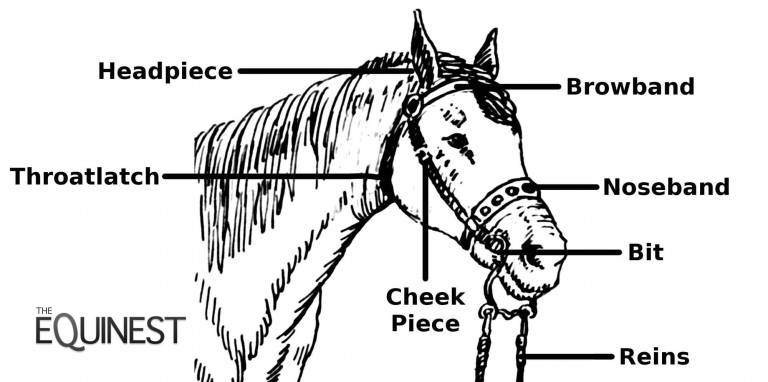
Bridle Reins
The reins connect to the bit acting as a steering wheel and a braking system. They allow us to communicate with our horse to tell them which direction we need to travel and when we want to stop.
Bit
The bit is like an air traffic controller. It takes the signals from our hands and transmits that information to our horse. The bit sits in our horse’s mouth between their teeth.
Headstall
The headstall holds the bit on your horse’s head. Without the headstall, the bit and the reins wouldn’t work!
Rope
Most cowboys have a rope tied to their saddle when they head out to work each day. The rope allows us to catch a cow that might be sick and needs treatment or a calf that is brand-new and needs identification.
Dog
Some folks use a dog to help gather and move cattle from pasture to pasture. A well-trained dog can be directed by voice signals to move from one side of the herd to the other, allowing the dogs to push the cattle towards the destination we have in mind. Dogs are also very helpful for flushing cattle out of hard-to-reach places, like under low-hanging trees or narrow creek beds.
Clothing
Fashion isn’t the first thing we have in mind when deciding our clothing for the day. We need to ensure the utmost comfort and flexibly in our attire because you never know what might come around on that day.
Hat
Here in Arizona, a good hat is essential. Ideally, we want something that has a wide brim all the way around the head so we can keep the sun off our face and shoulders.
Bandana
A bandana is also helpful in keeping the sun off our faces, but can also be used if there is a lot of dust being kicked up by our cattle.
Thick shirt
Just like the chaps help to protect our legs, a long-sleeved shirt made of a thick material is essential to help keep the prickly plants off our skin. The material choice is also important because it gets hot here in Arizona. A cotton shirt is ideal because it helps us to keep cool through evaporation from sweat while also protecting our skin from the sun.
Chaps
Chaps are made of sturdy leather and cover our legs. These are extra important in places like Arizona where cactus and pointy plants tend to reign. The leather of the chaps keeps our legs from being scratched.
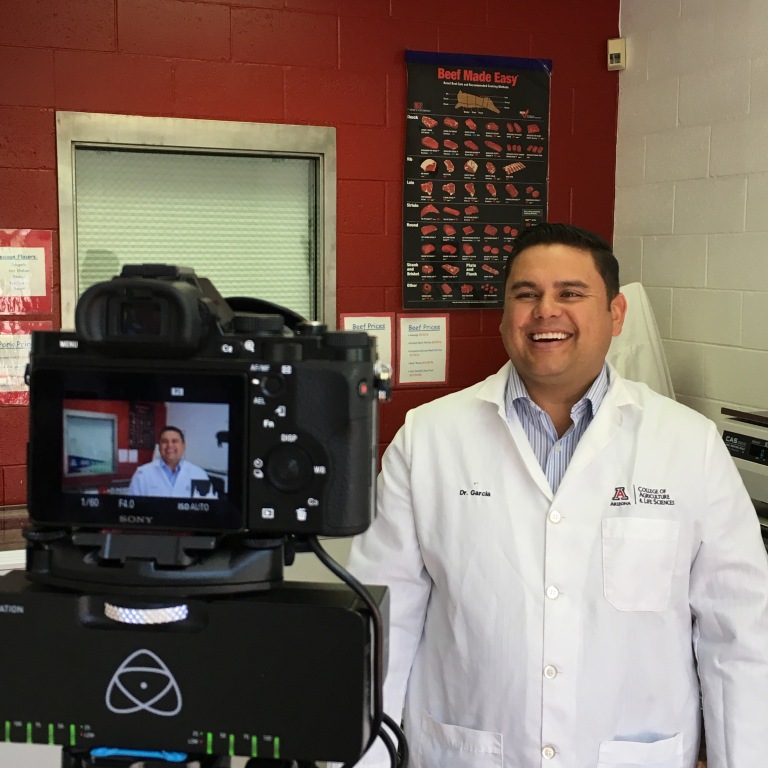
As a perk for our blog readers, we are offering an exclusive, behind-the-scenes sneak peek look at a special video project we are working on! Lauren, Tiffany, and Ben Spitzer of Silo & Co Productions, just finished up traveling 469 miles in two days to capture the vast amount of knowledge Arizona beef farmers and ranchers have to share with the families who enjoy a delicious steak and want to know how it was raised.
The Arizona Beef Council is dedicated to sharing the story of Arizona Beef. We like to watch the short videos on Facebook and Instagram just as much as the next person, so this project seemed like the perfect way to expand our reach! Enjoy these photos from the trip and be sure to check back soon!
Special thanks to Dr. Sam Garcia of the University of Arizona Food Product and Safety Lab, Dean Fish of the Sante Fe Ranch, The Bell Family of ZZ Cattle Co., The McGibbon Family of the Santa Rita Ranch, Bass Aja of Pinal Feeding Co., and Wes Kerr of Kerr Dairy for your hospitality and willingness to share your knowledge with us! And of course, thank you to Ben Spitzer of Silo and Co Productions for your creativity, knowledge, and patience.




 Slow Cooker Cocktail Meatballs

 The buzz of tour day was in the air this past spring at the University of Arizona’s Maricopa Extension. The buzzing people were 24 culinary students and Chef Chris Wolf, who serves as their instructor at the










 Arizona Beef Blog