William Crawford, a culinary teacher at Show Low High School, is inspiring students and building a bridge between academics and real-world skills through his innovative program. Thanks to the Arizona Beef Council’s Beef Up the Classroom grant program, Chef Smokin’ Bill has been able to transform his classroom into a hub of learning and practical application, fostering student growth and community engagement.
The Beef Up the Classroom grant program, funded by the Arizona Cattle Industry Research and Education Foundation, aims to support educators in implementing agriculture-focused curricula that emphasize the importance of the beef community, sustainability, and nutrition. This program provides funding and resources so teachers can keep and use beef in their curriculum, teaching students how to choose, prepare, and cook beef. Show Low High School is one of many beneficiaries of this impactful program.
Crawford’s program goes beyond traditional culinary instruction. He integrates hands-on activities and real-world applications that resonate with students. Through the grant, he was able to enhance his classroom resources, purchasing essential tools and supplies to expand his culinary program. “The grant allowed us to acquire equipment for butchering demonstrations and hands-on lessons that teach students about the journey of beef from pasture to plate,” Crawford explains.
One notable aspect of his program is the focus on teaching students how to cut and prepare beef. By incorporating butchering demonstrations, Crawford not only imparts technical skills but also encourages a deeper understanding of the beef community. These lessons align with his broader goal of preparing students for future careers in culinary arts, agriculture, and food sciences.
Students at Show Low High School have embraced these opportunities enthusiastically. For many, this is their first exposure to the practical aspects of food preparation and agriculture. “It’s amazing to learn where our food comes from and how much work goes into getting it to our tables,” shared one student. Another added, “I’m considering a career in culinary arts now because of this class. It’s really opened my eyes to all the possibilities.”
Beyond the classroom, Crawford’s program fosters connections with the local community. By inviting local ranchers and industry professionals to speak with students, he bridges the gap between education and the agricultural industry. These interactions give students a firsthand look at the challenges and rewards of ranching and beef production, inspiring a new generation of agricultural and culinary leaders.
The Arizona Beef Council’s support has been instrumental in making these experiences possible. Through the Beef Up the Classroom grant program, the ABC aims to promote agricultural literacy and highlight the vital role of the beef community. By investing in programs like Crawford’s, the ABC helps ensure that students not only learn about agriculture but also develop a lasting appreciation for it.
For Crawford, the impact of the grant goes beyond financial support. “It’s about showing students that culinary arts is not just a subject to study; it’s a way of life and a cornerstone of our community,” he says. His passion for teaching and commitment to his students are evident in the success of his program and the enthusiasm it generates.
As the program continues to thrive, Crawford hopes to expand its reach and impact. He envisions collaborations with other schools and community organizations to further enrich the learning experience. His ultimate goal is to inspire students to see agriculture and culinary arts not only as career paths but also as vital parts of society.
The Beef Up the Classroom program is generously funded by the Arizona Cattle Research Industry and Education Foundation. For more information about the program and to apply for funds next, check out the webpage HERE.
Andie Ovard, an intuitive eating dietitian, wrote this blog post about including beef in a healthy diet. Andie has been a registered dietitian nutritionist for 11 years. After working for 8 years at the University of Utah hospital as a clinical dietitian in the cardiac ICU she moved to AZ with her husband and started her own business virtually coaching women to learn how to stop dieting and heal their relationships with food through sustainable healthy habits. She loves being a dietitian and in her free time loves to ride her horses, hunt, camp and go to team roping jackpots with her husband. Give her a follow on Instagram by clicking HERE.
Well, it is now…but it wasn’t, for too many years of my life.
I used to think beef was unhealthy. I felt like it was too high in fat and calories so I avoided it, and, unfortunately, I missed out on a lot of the benefits of beef because of it.
As a registered dietitian, I have a passion for helping people understand how to eat and maintain a healthy diet and lifestyle, and eating beef can and should be a part of a healthy diet. Let’s talk about why.
When we think of the benefits of beef, we usually only think about protein. While yes, beef is high in protein, there are so many other benefits to eating beef. Not only is beef packed with protein but it is an excellent source of iron, zinc, and B vitamins, all of which are so important for our health.
Let’s dive into a few of the benefits of beef and its nutrients. First up, iron. Iron is essential for helping your body get enough oxygen and maintaining your energy levels. When you don’t get enough iron, you risk becoming anemic which causes fatigue, headaches, and more. As someone who used to struggle with anemia, I’ve noticed a big difference in my energy levels since I’ve started including beef regularly in my diet.
There are also significant amounts of zinc and B vitamins in beef. Zinc is important for supporting your immune system, wound healing as well as improving your metabolism, while B vitamins have endless benefits like working as antioxidants (B2), maintaining heart health and metabolism (B3) and even improving mood and brain health (B6).
How many other foods can you think of that have so many benefits? I don’t like using the word “superfood” but if I did, beef would be one of them.
The other great thing about beef is how versatile it is. From ground beef for spaghetti and burgers to steak, to ribs to brisket for salads and tacos, you really can’t ever get sick of it.
So what’s one thing you can do to improve your health in 2024? Start including beef in your diet regularly! Beef…it SHOULD be what’s for dinner.
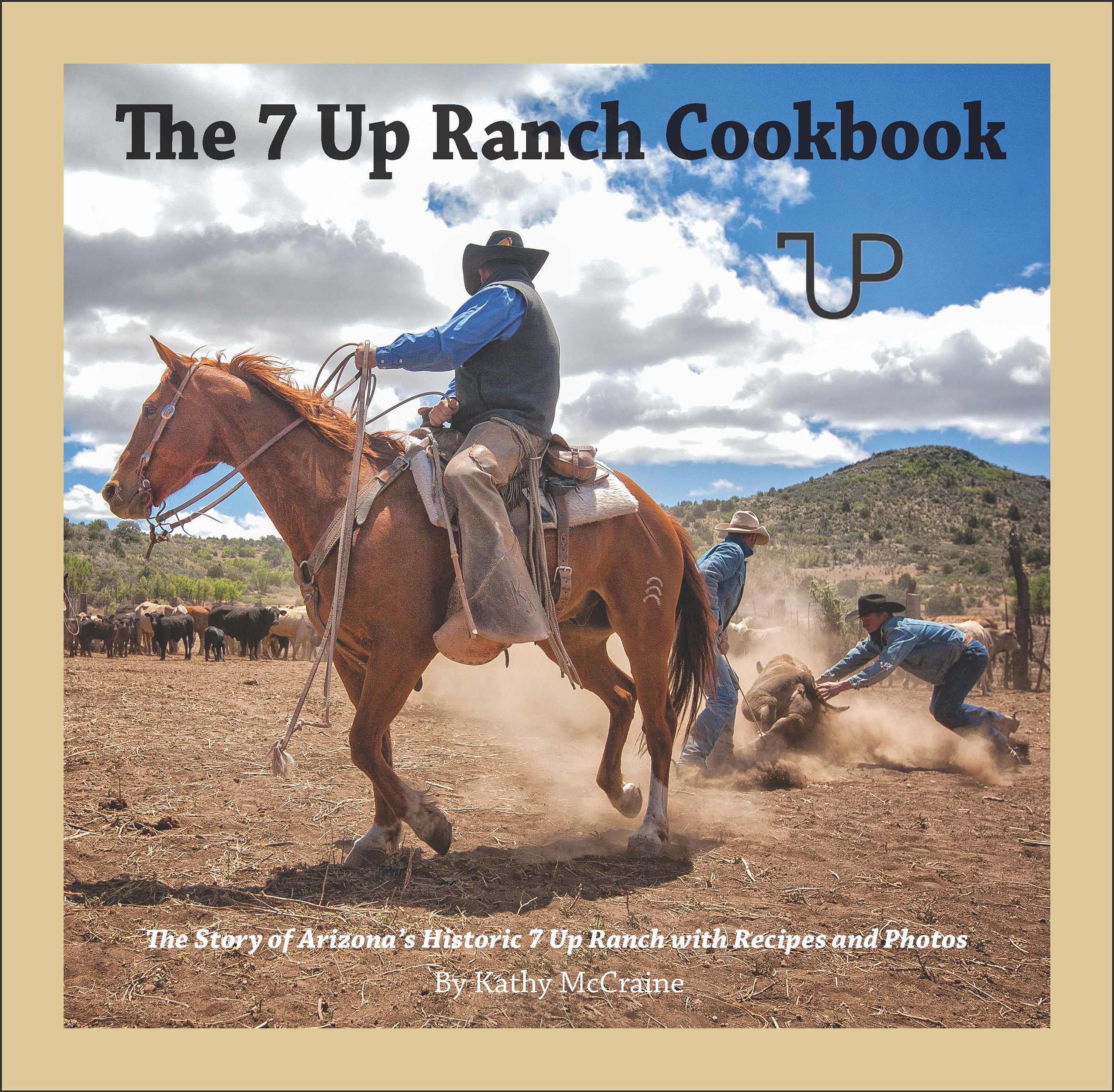
What was intentionally meant to showcase and record the recipes used, prepared, and cherished from many years of working cattle and feeding hungry cowboys, this beautiful book blossomed into a much larger and more comprehensive story and history of the 7Up Ranch located outside Prescott, Arizona. Author Kathy McCraine, the visionary behind the book, and owner of the 7Up, grew up on a ranch in Arizona and has been involved with ranching, writing about it, and photographing it all her life. After graduating from the University of Arizona with a degree in journalism, she wrote for and edited several livestock and horse publications, then founded one of the first advertising agencies in the country to specialize in livestock.
Kathy met her husband, Swayze McCraine, in San Antonio, Texas, where she was editor of the International Brangus Journal, and he was managing a large Brangus operation. After their marriage in 1976, they ranched in Mississippi, Florida, and ultimately Arizona, where they operated several ranches before buying the 7Up Ranch. Kathy also competed in barrel racing and cutting. She was instrumental in putting together the original foundation mares in the Campwood horse program.
Kathy has published several books, and her freelance articles have appeared in such magazines as Western Horseman, Arizona Highways, Range, Cowboys & Indians, and Ranch & Reata. Her photographs have been exhibited in shows at the Phippen Museum of Western Art, Desert Caballeros Museum, and Trappings of the American West.
The timeline of the 7Up Ranch, where Kathy starts this book, is impressive. While the first settlers staked their claim in 1880 as part of the westward expansion effort of the United States of America, history doesn’t really start there. Kathy shares the early history of this location, long before the white homesteaders came west. From there, the history is long and storied with many twists and turns, literally and figuratively. Kathy outlines the ranch’s history in a way that draws the reader into the story and urges them forward. Kathy shares that she felt some sort of magic upon her first visit to the ranch in 1995. As the reader continues, her expert use of imagery, realism, and abundant creativity clearly paints the picture of that magic for her readers.
The history of this ranch could fill a book all on its own, but when she set out on this endeavor, Kathy intended to share the recipes used to feed the cowboy crews through the many years of cattle work. With deep roots planted in Louisiana thanks to Kathy’s husband Swayze, many dishes have a Southern influence, including the first recipe in the book, which outlines how to make a roux. The chapters roll on as Kathy shares appetizers and drinks, including Rocky Mountain Oysters, of course, and main course dishes. Chapter 17, which focuses on beef and pork is obviously our favorite including recipes for roasts, gravy brisket and even a stir-fry! Many recipes come with a story sharing what makes the recipe unique to the 7UP and the people who have populated it over the years. These stories are easily added to the readers’ experiences as they try out each dish at home or on their own ranch.
Kathy writes in a way that brings the reader to that moment, and her photography gives you the actual view. Her talented eye is showcased throughout the book in her many photos of the cattle, horses, landscape, and people who make up the 7UP Ranch. From roping in the branding pen, driving cattle across the countryside, and all the way to the cooks over the fire, the photos help the reader and the curious chef who uses some of the recipes feel like they are there.
A printed history of the 7UP Ranch, working to ensure that the past is preserved and remembered for generations to come, is an essential contribution to Arizona and ranch histories. Still, Kathy took it further and included the food from all those years. Food often brings people together after a hard day’s work and gives time for relaxation, planning for the future, and some good belly laughs while remembering comedic events from the day. It’s a chance to share the heroic, exciting, and scary stories that the whole crew may not have witnessed. It’s a time to connect with our fellow human beings. Kathy’s book is a beautiful combination of history and delicious food, giving her readers a chance to make their own history with the recipes enjoyed by cowboys, and now, one’s family.
How does a dream come true? We all know it’s different from the movies and typically involves a lot more work than Hollywood would ever waste screen time on. But the Barnard family, who lives far from the silver screen, knows how. This whole #azbeef family knows that dreams come true through goal setting, hard work, and some serious perseverance.
Jason and Candice Barnard are Arizona ranchers and farmers in Cochise County, with agricultural roots from both sides of the family. Candice, an Arizona native, grew up in a farming family where white corn was grown and sent to California to be made into tortilla chips. Jason grew up in Texas and had family here in Arizona who farmed. As a kid, he would make the trek out every summer to spend time with his grandparents and help on the farm. After Jason graduated from college, he was fortunate to get into farming like his grandparents and came to Arizona for good. The Barnards are blessed with three children, Haidyn, 12; Hannah, 11; and Ethan, 3. The family has been at their current location in Portal, Arizona for 11 years and has built the business into something they had dreamed about.
Going back to how to achieve a dream, you could look at this family as a case study to answer that question. This dream really belongs to Jason, and as Candice and I talked, she mentioned a few times that it had always been Jason’s dream to incorporate cattle into their farming business. As with most plans, there were many naysayers who shared that farming and cattle just don’t mix, but Jason and Candice didn’t let that stop them.
Photo by Tim Lawson Photography
Their opportunity to get into the cattle business really started back in 2009 when a small feed yard became available to lease. They jumped on the chance and started feeding weaned calves (calves that have recently been separated from the cows) hay from the farm that had been rained on. A feed crop that had been rained on typically loses value but can be fed to cattle. This provided a chance to get into the cattle business while also feeding hay to the calves, which didn’t hold much value elsewhere, allowing them to convert that into high-quality and nutritious beef.
Since these humble beginnings, the feed yard side of the farm has grown and blossomed. Not only do they feed their own weaned calves, which they raise on some leased grazing land nearby, but now they also can take customers’ cattle to do custom feeding. They also work with larger companies to supply animals for harvest and are proud to say they are doing a direct-to-customer business.
Many technologies and innovations help the Barnards to do their job in the best way possible. One of those is the feeding program they use, which allows them to properly mix the feed rations (the mixture of grains, hay, and other nutrients fed to their cattle) so cattle are getting all the minerals and nutrients they need to help them grow and stay healthy. This program does more than that, though! With a few inputs of information by the user, this app allows them to know how much to mix and how much to give to each cattle pen. It doesn’t stop there. When the actual feeding is happening using a feed truck, it weighs out how much each pen of cattle needs. Not only does this help to make the job more efficient, but it also ensures less waste.
Photo by Scott T. Baxter Photography
Another item that Candice says is very helpful for their business is the RFID tags, which stand for radio-frequency identification tags. These ear tags are put into a calf’s ear, much like an earring is put into a human. But unlike an earring that we might wear, this RFID tag contains a tiny radio transponder, which can be activated with a reader. This allows the Barnards to scan the ear tag with a quick swish of a wand (not actual magic, the wand contains a radio receiver), which brings up an individual number assigned to that particular animal. The information can be entered into a computer program about that animal. Every aspect of the animal’s life is recorded, including any change in feed ration, if it is given medicine, and when regular health protocols take place, notes are made with the unique number attached. This level of record keeping and transparency is increasingly important to beef consumers and also aids in food safety.
The Barnard children are no strangers to dreams and goals. The two oldest children have a unique, fun, and educational book that they helped write and complete called Farm Kids, Growing Up WhiteBarn. This book takes readers through a day in the life of these hard-working kids and all they do to help their family raise healthy and delicious beef.
So, what have we learned from this tenacious family, and how to achieve our dream? Set goals, keep going, and use the tools you have but don’t be afraid to invest in new ones, and don’t give up. Thanks to the Barnard family for this valuable lesson and for raising delicious and nutritious Arizona beef.
Are you ready for the big game? Still need a few appetizer ideas to keep everyone fed and coming back for more during the commercial breaks? Check out this list of easy and delicious beef recipes, and then your playbook is set!
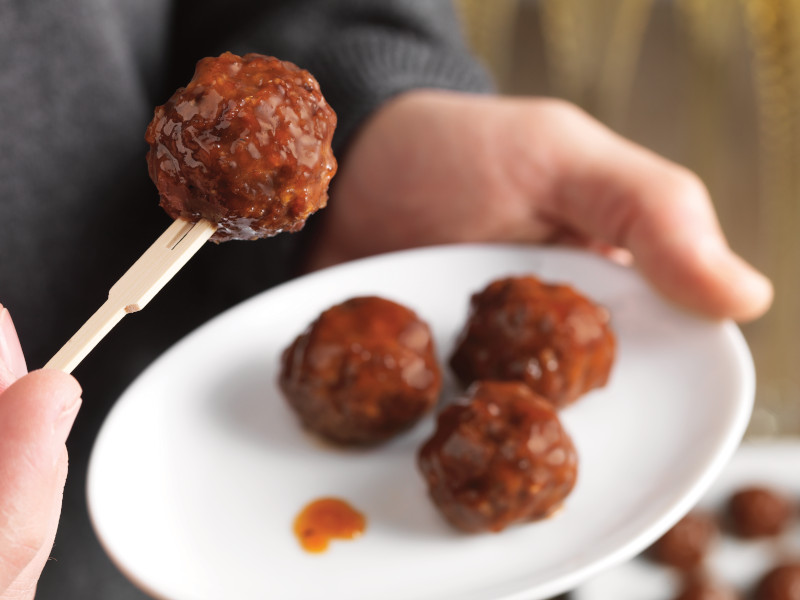
Bump up your meatball mojo. Gently form this tried-and-true blend into bite-sized balls, then broil and slather in a spicy, sweet and too-good-to-be-so-simple sauce.
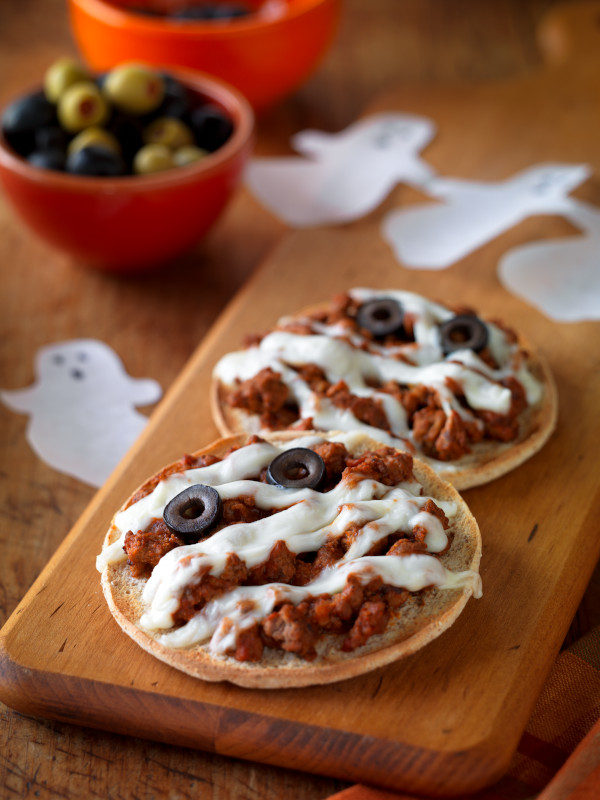
It’s the big night full of fun costumes, trick-or-treating, and, most importantly, some family time. We want everyone to have the best night possible, and one way to help guarantee that happens is by leaving the house with a nice full belly! We’ve put together a recipe collection to help you make a healthy meal and do it quickly so you can get back to painting faces, adding accessories, and making sure everyone has their candy bucket ready to go.
Because just getting out of the house is hard, here is a recipe you can take on the go. Put the ingredients out on the table buffet style, let everyone add what they want and then head out to go collect candy!
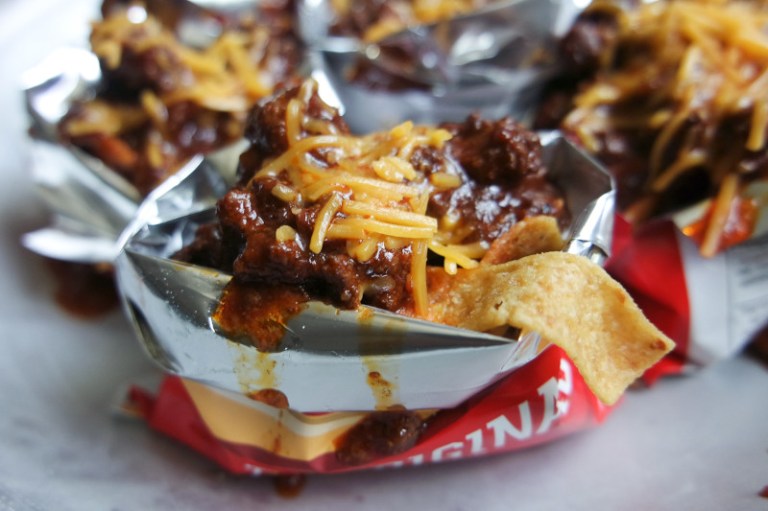
Depending on where you are, Halloween night can be a chilly one. So warm everyone up from the inside before they head out with this delicious and easy beef chili recipe.
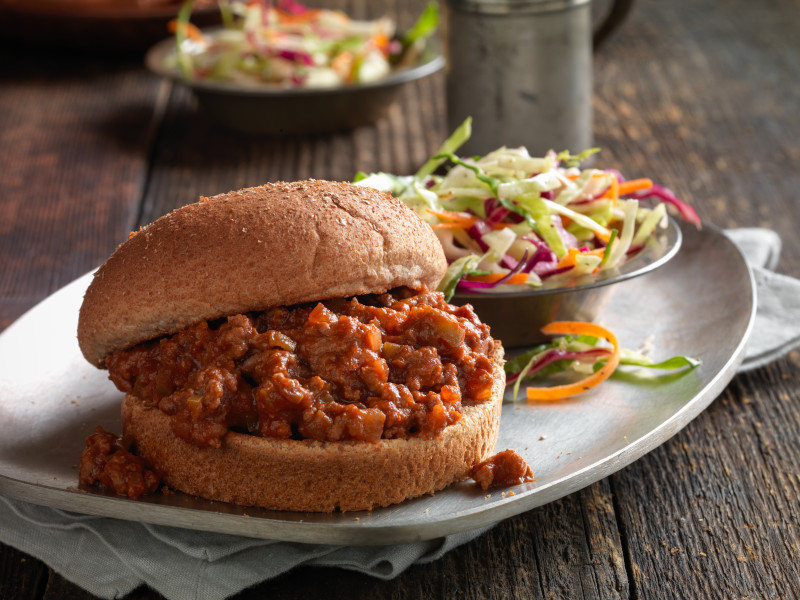
This is an idea for the picky eaters and a way to make everyone happy with one meal. Cook up your beef and offer various ideas to your family. Everyone will walk away with a full belly!
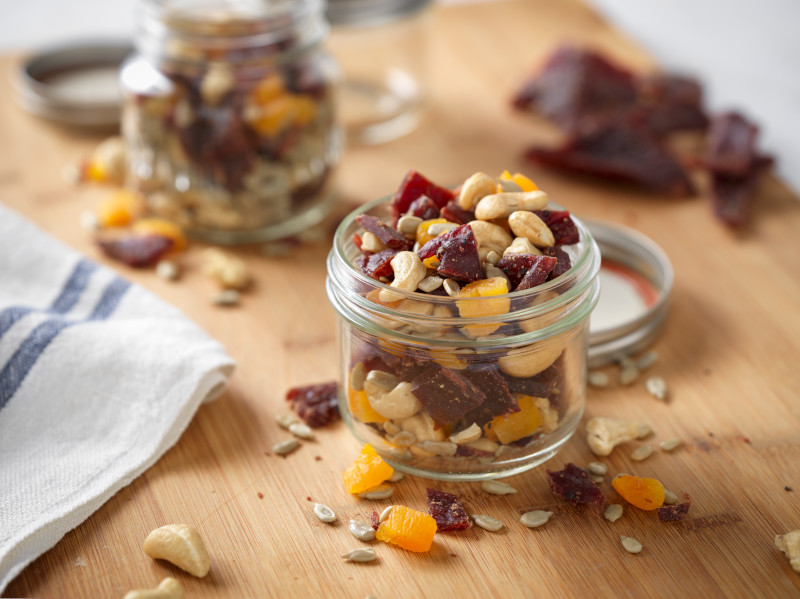
And if getting a meal in before trick-or-treating is just not going to happen, offer this delicious and easy snack full of protein and other nutrients. It’ll keep everyone fueled up for the night and not because of the sugar.
Reposted from the Chiles and Smoke blog found HERE. Brad Prose is a Phoenix-born family man, professional recipe developer, food writer, and culinary photographer – the force behind Chiles and Smoke™. His combined passion for fine dining and BBQ shines through his presentations and cooking style. Brad uses social media, the website, and his brand to share his passion and story to inspire new ideas.
If you smoke it, they will come. Smoked Burgers should be the official smell of the summer. There’s something magical about the way the smoke lightly permeates the rich beef. It’s that added ingredient you never knew you were missing.
Burgers cooked on the grill already induce that Pavlovian response. Burgers enveloped in a mysterious hug of smoke will make you the new king of the hill and backyard hero. This will break down the process of burgers on a pellet grill, gas grill, and charcoal grill.
Whether it’s happened to you, or you’ve witnessed the pyrotechnics of someone else grilling burgers, we’ve all seen them get torched. These easy-to-follow steps will give you juicy burgers packed with flavor every single time. Here are some of the reasons you’re going to convert to smoked burgers:
Smoking burgers keep them juicy while adding another layer of flavor.
This method works on any type of grill or smoker.
Precise timing allows you to plan accordingly.
Customize the flavor profiles with both your choice of wood and toppings.
Less likely to burn as they are cooked indirectly.
This method works for a few burgers or if you decide to smoke burgers for a crowd.
HOW TO MAKE SMOKED BURGERS
Whether you’re looking for how long to smoke burgers or learning how to cook hamburgers in a smoker, let’s bite into the meat of it all. The process to make smoked burgers starts the same regardless of what you are going to smoke your burgers on. This step can be done the night before.
PREPPING THE BEEF FOR SMOKING
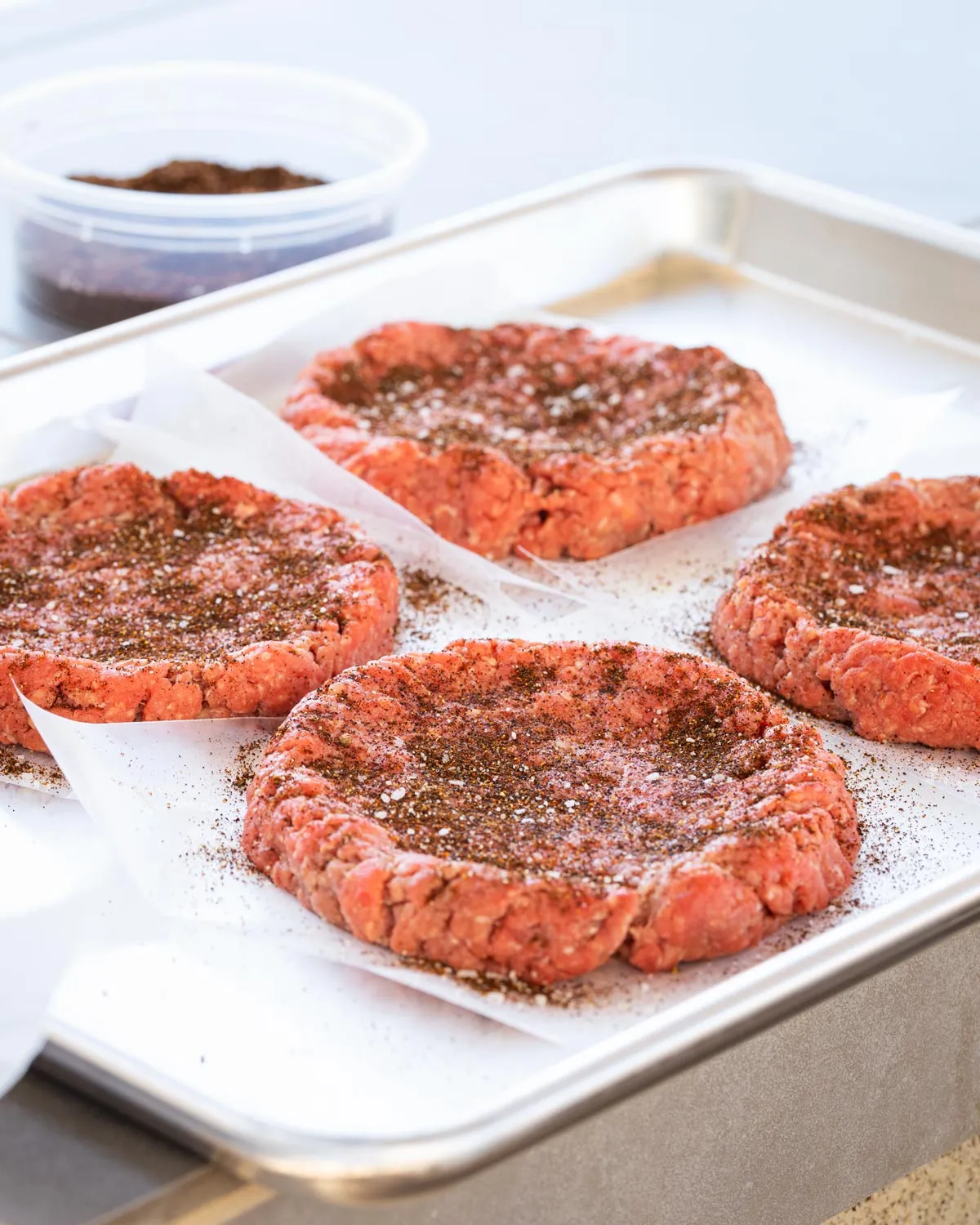
Form your ground chuck into four equal-sized patties, careful not to over-press the meat. Use your thumb to lightly press down in the center of each burger patty to create a divot. This will prevent the smoked burgers from swelling in the center during the cooking process.
Chill the beeffirst. Place each individual patty onto a piece of parchment paper on a baking sheet. Allow them to refrigerate for at least an hour up to overnight. Letting them set up will help them keep their shape while also giving them a red smoke ring on the outside that will impress your family and friends.
Form the patties about 1/2-inch wider than the bun. They will shrink on the grill, so make sure you use a bun to measure the size if you need.
SEASONING OPTIONS
Is there anything better than a juicy cheeseburger dripping down your arm as you go in for that cheesy bite? It doesn’t take many ingredients for these smoked hamburgers to have you rolling up your sleeves and going in for the burger hunch. You could go with a typical salt & pepper blend and have success, but if you’re looking for a deeper flavor profile, here’s a suggestion:
Espresso Steak Rub
This rub provides a balance of earthy, bitter, warm, and savory flavors that compliments the ground beef without overpowering it. In addition, it also works well with the flavors of barbecue sauce.
One of the best things about this recipe is that you don’t have to sweat over having the right equipment. Any grill or smoker will work for making smoked burgers, as long as you have the wood chips for it. They are SO affordable and allow you to mix and match.
Using the Pellet Smoker
Make sure your hopper is filled with pellets.
Preheat your grill or smoker to 250-275°F. Make sure your grates are clean.
Place your burgers onto the grates and close the lid.
Using a Charcoal Grill
Prepare your charcoal grill for 2-zone cooking, aiming for about 250-275°F. This means you are going to bank your charcoal to one side of the grill creating a hot zone and cool zone.
Add a handful of wood chips over the top of your charcoal, making sure to evenly distribute them. This will prevent any flare-ups.
Place your burgers on the cooler side, making sure to monitor the ones closest to the coals.
Using a Gas Grill
Create a foil pack. Tear off a piece of foil large enough to accommodate about 1 cup of wood chips that are spread out. Fold all the sides over to create an envelope. Use a fork or knife to carefully pierce 2-3 holes in the top of the foil pack so the smoke can escape. Be careful not to pierce all the way through both sides of the foil, and also don’t create too many holes.
Preheat your grill to 250-275°F. Place the foil pack on top of a burner turned to high heat. Allow the wood chips to smolder as it comes to temperature.
Place the prepared burger patties on the cool side of the grill and close the lid.
ADDING FLAVORS WITH WOOD CHIPS
If you’re using a charcoal grill or a gas grill, wood chips come in handy for an affordable way to add smoke.
Use a stronger wood flavor, such as mesquite, pecan, hickory, or oak. These smoked hamburgers don’t take too long, and beef can really soak it in. My personal favorite is a combination of hickory and mesquite, giving it that nice smokey bacon profile. This is the time to infuse it with flavor!
Check out the video tutorial below for a highlight of the benefits and uses:
Important Tips for Maximum Flavor
Use beef with at least 15% fat. The low and slow process of having your burgers in a smoker can cause the beef to dry out if it’s too lean. I typically recommend either 80/20 or 85/15, whichever you prefer.
Don’t season your burgers ahead of time. Salt can draw out the moisture in a way that will cause the textures and flavors to be off with burgers. Season the hamburger patties right before you place them into the smoker or grill instead.
Monitor the temperature of your smoked hamburgers. An instant-read thermometer is a great way to ensure you reach your desired temperature. If you are looking for a slightly pink color, you’ll want to smoke the burgers until about 135°F before searing (if you choose to), or just cook them until about 160°F temperature and allow the burgers to rest.
Searing your burgers is not necessary. Not only is it an extra step (and potentially much more work depending on your grill) but you run the risk of overcooking. However, if you would like more of a crust on your burgers, begin searing them when you are about 20 degrees from your desired temperature.
Rest is best, even with burgers. Allow the smoked hamburgers to rest for 5-10 minutes, loosely tented with foil. This is a great time to toast your hamburger buns.
IDEAL TOPPINGS FOR YOUR BURGERS
When it comes to building the ultimate smoked hamburger, you always want to think about how flavors and textures play together, as well as temperatures. Because these burgers have a hint of sweetness from barbecue sauce, something acidic is a nice counterpoint.
There should never be too much of any one thing because you want to taste each burger topping while also having them all work together. These are just some suggestions for this smoked burger, but let the burger be your canvas and make it your own.
Gouda cheese: mildly and creamy, it has an ideal melt factor while not overpowering the smoke flavor. Muenster, Havarti, and the classic American cheese are other options.
White onions: The sharp freshness of the onions cuts through the richness of the beef and cheese. They also offer an irresistible crunch.
Pickled jalapenos: The heat and acid balance the sweetness of the barbecue sauce while adding a kick to every bite. The white onion and pickled jalapenos are a traditional pairing with Texas BBQ which compliments the barbecue sauce.
Smoked Dijon mustard: This spicy condiment is worth the effort, which isn’t much work.
Good quality mayonnaise: Spread it, slather it, smear it. Nobody likes dry buns. Mayo is the ideal condiment for this burger. It doesn’t overpower anything while offering up just enough tang to liven everything up.
FREQUENTLY ASKED QUESTIONS
Why should I smoke burgers?
Smoking burgers allows you to infuse your burgers with the additional flavor of smoke while keeping them juicy. Cooking them at a lower temperature keeps them juicy and helps prevent flare-ups.
Do I need to sear my smoked burgers?
No. This process uses a lower temperature to cook the burgers more gently. However, you can sear them if you want the additional texture; you just risk overcooking them.
Do I need to soak my wood chips for smoked burgers?
No! There is no need to soak your wood chips for either use on a charcoal grill or gas grill. Not only does it drop the temperature for charcoal grilling, but it also affects the flavor.
What type of wood should I use for smoked burgers?
Have fun playing around and discover what you like. Any type of oak, mesquite, or hickory is all great options.
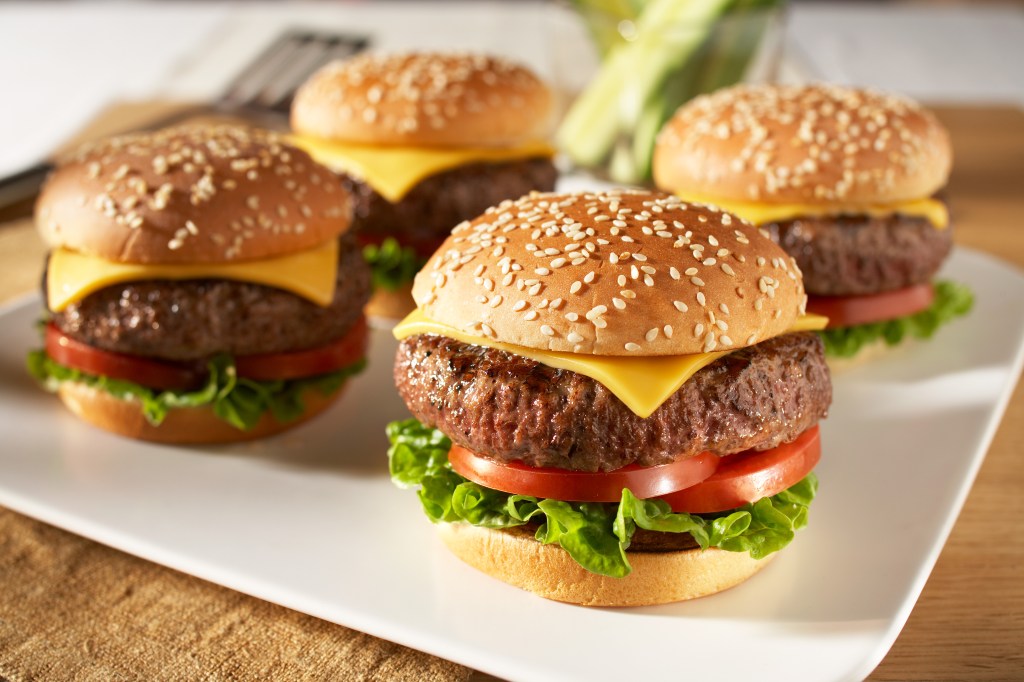
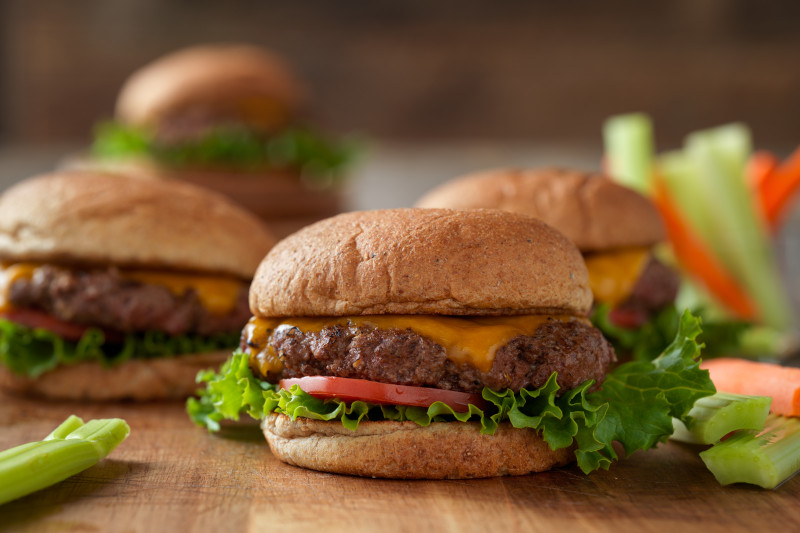
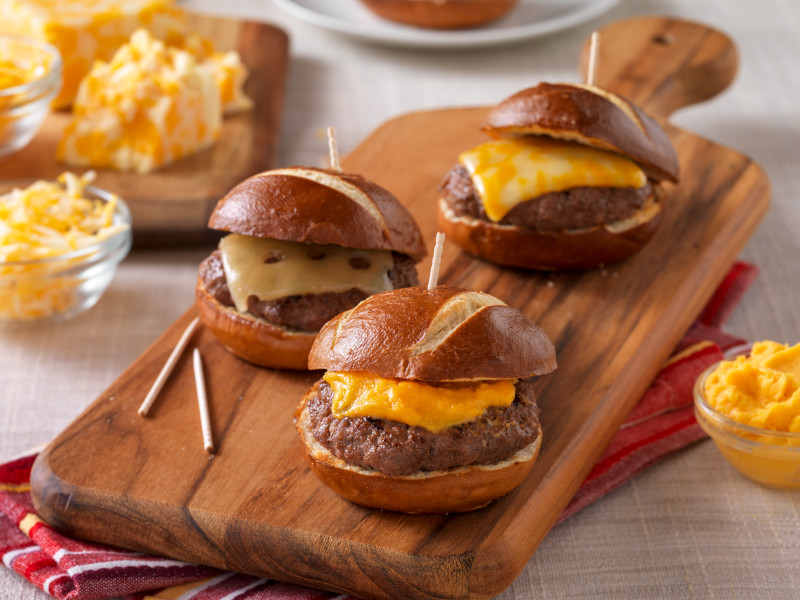
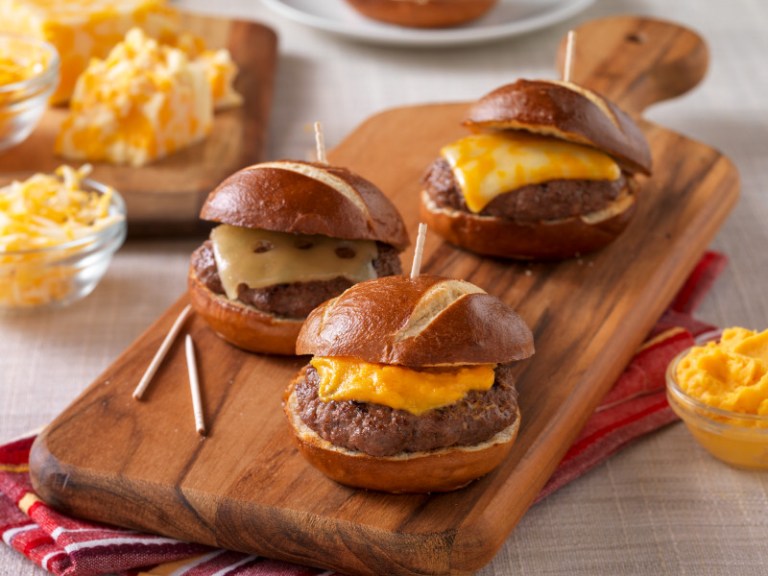
Celebrate National Cheeseburger Day on September 18th with a few of these great-tasting recipes created just for you by the culinary team over at Beef. It’s What’s for Dinner. You will find a recipe for everyone in this collection, from the Lean Mean Cheeseburgers to the Classic Cheeseburger recipe. Check all of these out, and have a great National Cheeseburger Day!
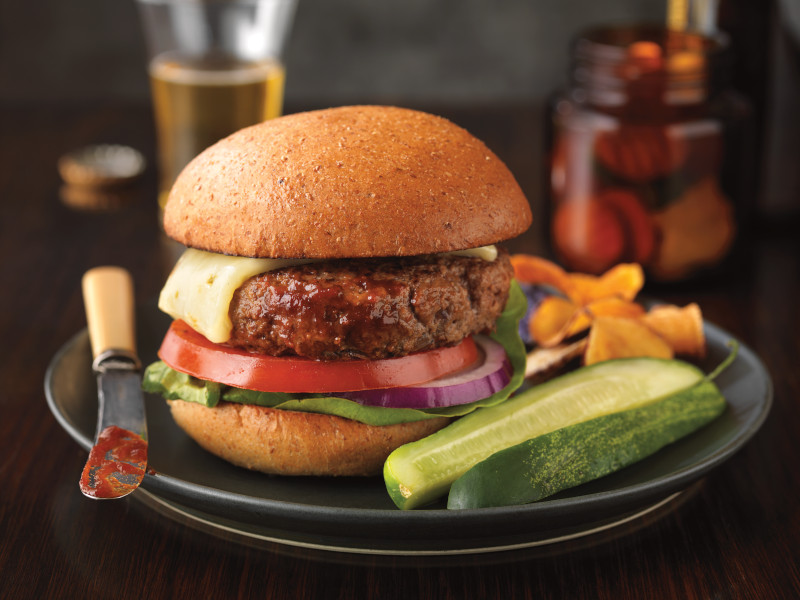
Switch up your usual burger toppings with this French bistro-style cheeseburger recipe. Grilled onions and a tasty Dijon-style mustard sauce top these tasty cheeseburgers.
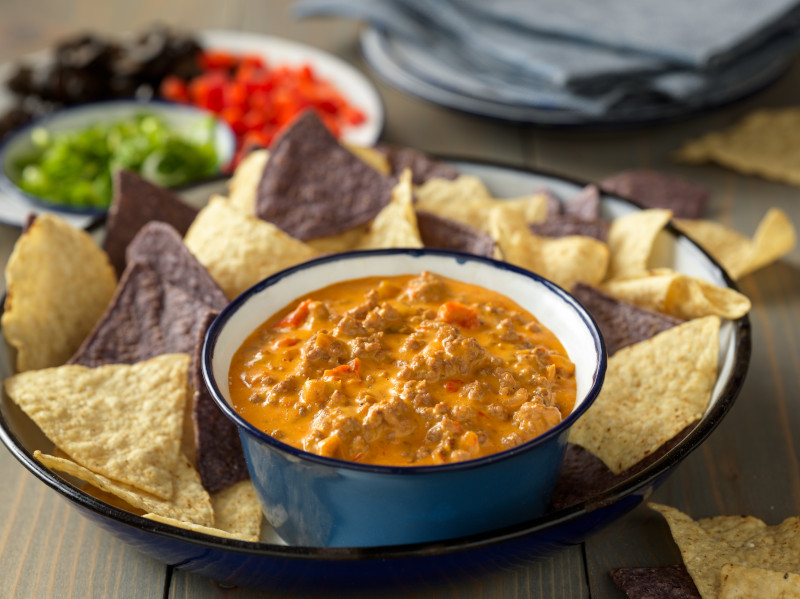
It’s that time of the year: when we patiently wait for the Arizona temps to drop, pumpkin spice is now in every coffee cup, and the Friday night lights kick on along with our favorite teams competing on Sundays. Whether you’re at the stadium tailgating or entertaining at home, nothing brings people together like a little party with a lot of beef. Check out some of our favorite Beef. It’s What’s for Dinner. recipes for tailgating season.
Celebrity chef Hugh Acheson shares one of his favorite snacks, perfect for an at home tailgate, with this “as seen on GoodMorningAmerica.com” recipe that pairs chicken-fried Strip Steak with a hot sauce gravy.
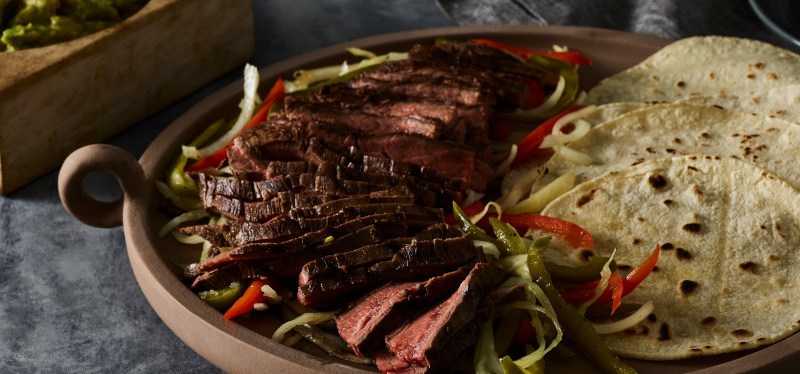
National Fajita Day is August 18th this year, but in reality, any day is a good day for fajitas! They are easy, convenient, and oh so delicious. We didn’t even talk about their versatility! To help you celebrate this important day (or any other day), we’ve put together a collection of beef fajita recipes sure to satisfy any craving. This recipe collection has everything from quick and easy to traditional to boundary-pushing! Check it out, save the link for later, and enjoy!
Do a little bit of prep and tomorrow’s dinner is basically ready to go. Marinate Flank Steak overnight in lime juice and garlic, then chop up a zesty pico de gallo while the beef is on the grill. Be sure to slice steak against the grain for max tenderness.
Got a hankering for just classic beef fajitas? This recipe is every bit as easy as ordering from a restaurant. Marinate and grill beef Flank or Skirt steak, serve with peppers and onions. Easy as that.
Looking for a flavorful lunch on the go? Try this steak and brown rice bowl with peppers and pineapple salsa. Top it off with coconut flakes for a complete island experience.
While beef fajitas are already packed with loads of nutrients, if you want to up your veggie intake just a little more, this is the recipe for you! All the flavors of Flank Steak fajitas served on a crunchy bed of greens make for a colorful and peppery salad.























 Arizona Beef Blog