
“BEEF. IT’S WHAT’S FOR DINNER.” with Andie, an Intuitive Eating Dietitian

Andie Ovard, an intuitive eating dietitian, wrote this blog post about including beef in a healthy diet. Andie has been a registered dietitian nutritionist for 11 years. After working for 8 years at the University of Utah hospital as a clinical dietitian in the cardiac ICU she moved to AZ with her husband and started her own business virtually coaching women to learn how to stop dieting and heal their relationships with food through sustainable healthy habits. She loves being a dietitian and in her free time loves to ride her horses, hunt, camp and go to team roping jackpots with her husband. Give her a follow on Instagram by clicking HERE.


Well, it is now…but it wasn’t, for too many years of my life.

I used to think beef was unhealthy. I felt like it was too high in fat and calories so I avoided it, and, unfortunately, I missed out on a lot of the benefits of beef because of it.

As a registered dietitian, I have a passion for helping people understand how to eat and maintain a healthy diet and lifestyle, and eating beef can and should be a part of a healthy diet. Let’s talk about why.

When we think of the benefits of beef, we usually only think about protein. While yes, beef is high in protein, there are so many other benefits to eating beef. Not only is beef packed with protein but it is an excellent source of iron, zinc, and B vitamins, all of which are so important for our health.

Let’s dive into a few of the benefits of beef and its nutrients. First up, iron. Iron is essential for helping your body get enough oxygen and maintaining your energy levels. When you don’t get enough iron, you risk becoming anemic which causes fatigue, headaches, and more. As someone who used to struggle with anemia, I’ve noticed a big difference in my energy levels since I’ve started including beef regularly in my diet.

There are also significant amounts of zinc and B vitamins in beef. Zinc is important for supporting your immune system, wound healing as well as improving your metabolism, while B vitamins have endless benefits like working as antioxidants (B2), maintaining heart health and metabolism (B3) and even improving mood and brain health (B6).

How many other foods can you think of that have so many benefits? I don’t like using the word “superfood” but if I did, beef would be one of them.

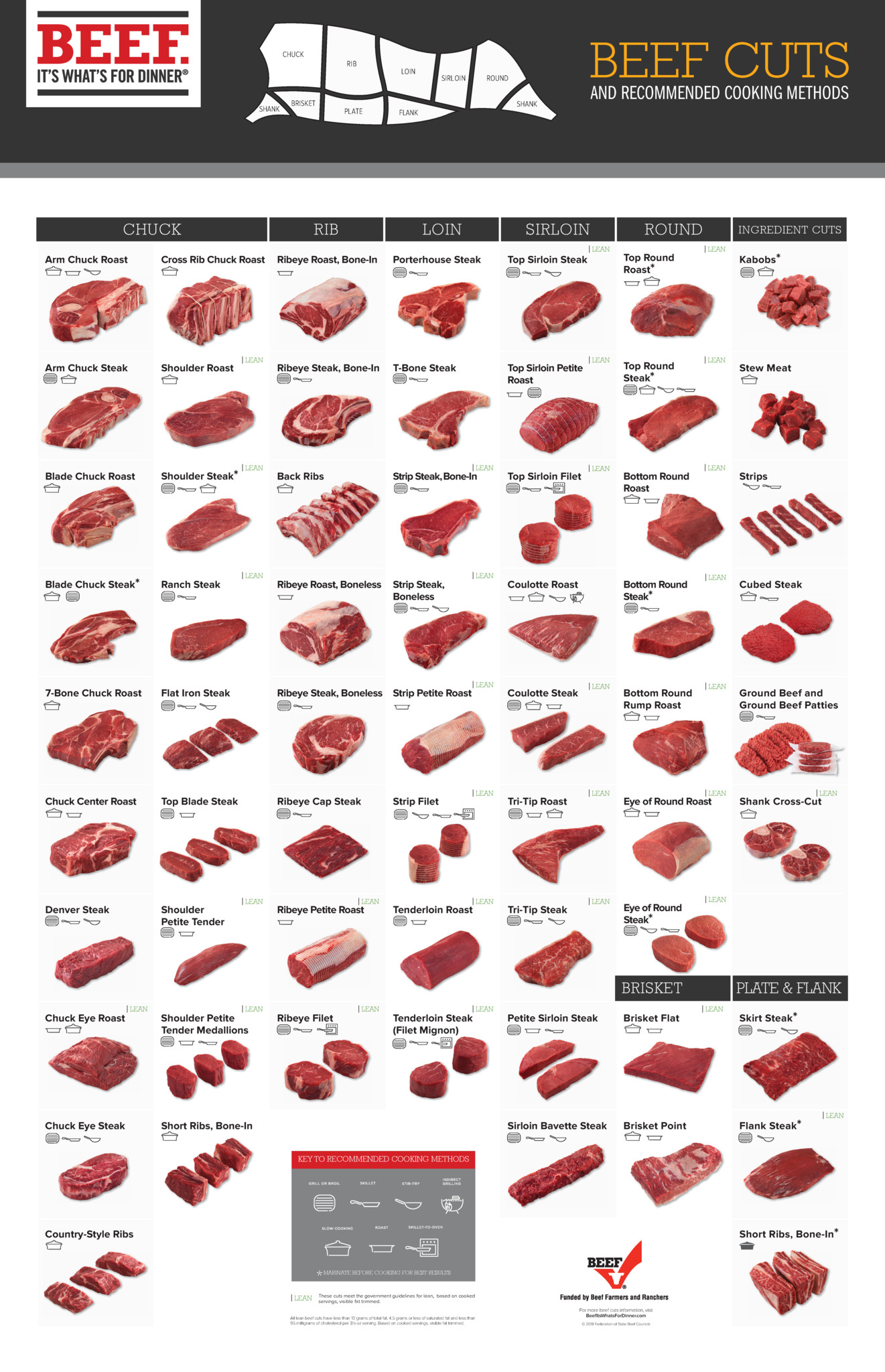
The other great thing about beef is how versatile it is. From ground beef for spaghetti and burgers to steak, to ribs to brisket for salads and tacos, you really can’t ever get sick of it.

So what’s one thing you can do to improve your health in 2024? Start including beef in your diet regularly! Beef…it SHOULD be what’s for dinner. 

Leaning Towards Leaner

It is not a surprise to hear that dietary preferences are changing towards leaner meats. With more and more information available regarding health and nutrition, consumers have become more concerned with their health and what they consume. While it is easy to recognize changes in product development with labels shouting “fat free,” “zero-sugar added,” and “low calorie food,” we do not usually think about how farming and ranching techniques have changed over time to meet demands for “healthier” options. How are ranchers and growers keeping up with the demand?

Leaning Out

The 1980’s saw a shift in focus towards nutrition and diet in America. In 1977, the U.S. Senate Select Committee on Nutrition and Human Needs recommended a reduction in consumption of high fat foods and animal fat. In 1980, the first Dietary Guidelines for Americans was published, sparking many changes in the consumer marketplace. The National Consumer Retail Beef Study was funded by members of the beef community in 1986 to address consumer issues with beef. The study established that the change in consumer preference towards leaner cuts was driven by dietary recommendations and increased nutritional knowledge.

In 1988, the Beef Checkoff Program was created. This program collects $1 per head on the sale of live cattle, then the Beef Checkoff funds research and education. The first major research design funded by the National Beef Checkoff Program was the National Beef Market Basket Survey. This study brought industry leaders to the realization that most animal fat was being removed at the processing level, due to consumer demand. For this reason, efforts were made to reduce fat produced to reduce overall waste while maintaining high quality, taste and tenderness. The Value-Based Marketing Task Force then initiated a “War on Fat” campaign to reduce excess fat produced.

Production Changes

To reduce the production of fat while maintaining high quality beef, farmers and ranchers worked to produce leaner animals. Leaner beef results primarily from a change in breeding and feeding practices. Cattle are bred to enhance desirable traits, such as leaner animals. Feeding practices have improved due to research on ration and nutrition to optimize cattle health. While much of lean beef relies on specific genetics and raising of cattle, farmers and ranchers commit to and care for their land, stewardship practices that ensure sustainability for the land, and their cattle.

Photo by Roxanne Knight

Leaner beef results primarily from a change in breeding and feeding practices.

Lean Beef Options

A 3.5 ounce serving of beef qualifies as “lean” by the USDA, if it contains:

  • 4.5 grams of less of saturated fat
  • 10 grams or less of total fat
  • less than 95 mg of cholesterol

There are many cuts of beef that qualify as lean, including 17 of the 25 most popular cuts of beef, like Top Sirloin, Skirt Steak, and the Tenderloin.

Many lean cuts of beef are the most popular like the Top Sirloin, Skirt Steak, and the Tenderloin.

Naturally nutrient-rich, beef is an optimal choice for protein because it contains all nine essential amino-acids. Because the human body cannot make these building blocks, they must be obtained from another source: protein. Registered Dietitian Caitlin Mondellli says, “Beef is a healthy protein source that can fit into an everyday diet. We tend to think of beef in a high calorie context, but more than 60% of retail cuts are considered lean.” Cailtin adds cuts of beef into her diet weekly. Suggesting that consumers balance their plates with grains and vegetables, “I select leaner cuts, so I can add cheese or other fat sources to my plate. All cuts of meat can fit, you just have to create that balance.” With so many lean beef options, consumers do not have to sacrifice delicious to live a leaner life.


This post was written by Celia Dubauskas. Celia is an undergraduate student at Arizona State University, studying Nutrition Communication. This spring, she has been an intern for Arizona Beef Council, creating written and social content for our platforms. Celia is an experienced fitness professional and is certified as a personal trainer through the National Academy of Sports Medicine. Her passion for fitness has fueled her interest in nutrition and learning more about health and diet culture. Keep on eye out for upcoming posts!